Court forces Eskom into the light as secret coal deals must be revealed
For years, South Africans have asked a simple question: Where exactly is the money going?
Now, after a long legal battle, a court has stepped in and the answer may finally be on the way.
In a landmark ruling, the Supreme Court of Appeal has ordered Eskom to hand over key contracts linked to its coal and diesel supply, rejecting the utility’s argument that the information should remain confidential.
A fight for transparency years in the making
The story didn’t start in courtrooms, it began with a request.
Back in 2022, lobby group AfriForum used the Promotion of Access to Information Act (PAIA) to ask Eskom for access to a range of electricity-related contracts.
While Eskom handed over some documents, including cross-border electricity agreements, it refused to release contracts tied to coal and diesel procurement.
The reason? The utility claimed the information was commercially sensitive.
AfriForum wasn’t convinced.
From Pretoria to the highest court
The dispute moved to the Pretoria High Court, which ruled in AfriForum’s favour in 2024, stating Eskom’s reasons for withholding the documents lacked merit.
Eskom then took the matter further, appealing the decision.
But this week, the Supreme Court of Appeal shut that door.
In a clear and decisive judgment, the court dismissed Eskom’s appeal and reinforced the public’s right to know.
“The public has a right to access this”
In her ruling, Judge Elizabeth Baartman made the principle behind the decision unmistakable.
Eskom operates in the public interest and the public, she said, has a right to see the agreements it enters into.
The court also found no convincing evidence that releasing the contracts would harm Eskom commercially or disadvantage third parties.
In other words, secrecy was no longer justified.
Why these contracts matter so much
This isn’t just about paperwork.
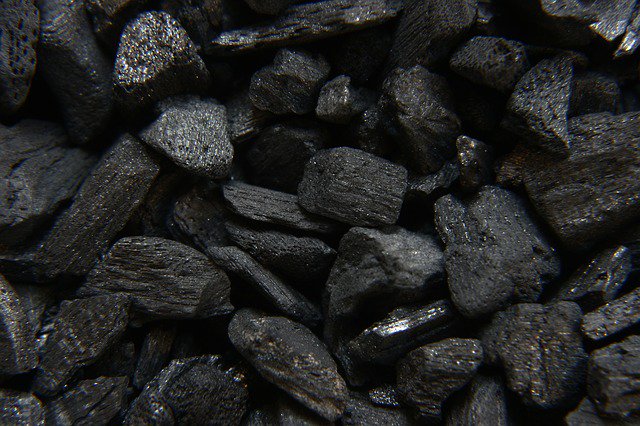
Eskom buys more than 100 megatons of coal every year, making it one of the utility’s biggest expenses and a key driver of electricity costs.
With South Africa relying on coal for over 80% of its electricity generation, these contracts sit at the heart of the country’s energy system.
And that system has long been under scrutiny.
From load shedding frustrations to the findings of the State Capture inquiry, questions around procurement, pricing, and governance have never really gone away.
Public reaction: “It’s about time”
On social media, many South Africans welcomed the ruling.
There’s a growing appetite for transparency, especially when it comes to institutions like Eskom, which directly affect daily life.
Some users called it a “win for accountability,” while others said the real test will come when the contracts are finally made public.
Because disclosure is one thing, understanding what’s inside is another.
Eskom’s next move
For now, Eskom says it is studying the judgment and consulting with its legal team before deciding how to proceed.
That leaves a key question hanging:
Will the utility comply fully, or look for another legal route?
Coal, power, and the future
The ruling also lands at a time when South Africa’s energy future is under debate.
While there’s growing pressure to shift toward cleaner energy, coal remains central to the country’s electricity supply.
Minister Gwede Mantashe has repeatedly described coal as a “critical” resource essential for economic stability and energy security.
But with that reliance comes responsibility especially when it comes to how contracts are awarded and managed.
The bigger picture: accountability in the spotlight
This case is about more than Eskom.
It’s about whether public institutions can be held accountable, not just in theory, but in practice.
The court has made its position clear: transparency is not optional.
Now, all eyes are on what happens next and whether this ruling will finally give South Africans a clearer picture of how their power is being produced, priced, and paid for.