News
The Bargain Hunter’s Blueprint: How to Find a Cheap Car That Won’t Cost You Later
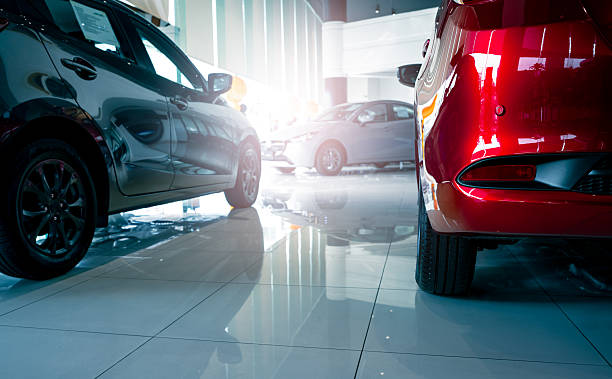
There’s a dangerous word in the car market: cheap. It can mean “affordable and sensible” or it can mean “expensive problem disguised as a bargain.” Your mission isn’t to find the lowest price tag. It’s to find the highest value within your budget. That means thinking differently, looking in the right places, and protecting yourself from the optimism that fuels bad decisions.
A truly cheap car isn’t the one with the smallest number on the windscreen. It’s the one that costs you the least over the years you own it. Here’s how to find it.
Where the Real Bargains Hide
Forget the shiny dealerships with flags out front. The real market for honest budget cars lives elsewhere.
Facebook Marketplace and Gumtree are the digital hunting grounds, but they’re minefields. Your filter isn’t “lowest price”; it’s “most complete advert.” Look for listings with multiple clear photos, a detailed description of flaws, and mention of a service history. The single blurry photo and “excellent condition” ad is your signal to scroll on.
Community notice boards at shopping centres, local newspapers, and even cards in supermarket windows can yield the “oupa special”a one-owner car sold by someone who just doesn’t need it anymore. These cars often have less flash but more honest history.
Word of mouth is underrated. Tell everyone you know that you’re looking. The best deals often never reach the internet. A friend’s grandmother selling her well-maintained Toyota Tazz is the holy grail of cheap car hunting.
The Shortlist of Sane Choices
At the budget end, a few models are repeated like a mantra for good reason. They are cheap to buy, cheap to fix, and hard to kill.
Under R30,000:
-
Toyota Tazz: The undisputed king. Spartan but legendary. Parts cost peanuts. Every mechanic knows it.
-
VW Citi Golf: The people’s champion. Simple, robust, with a massive support network.
-
Opel Corsa Lite: The frugal workhorse. Incredibly cheap to run and insure.
Under R50,000:
-
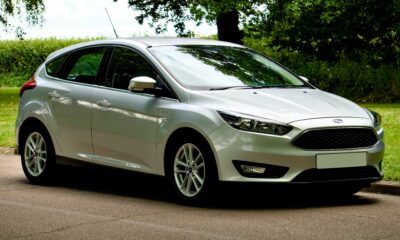
Ford Figo: The smart upgrade. More modern, safer, still reliable. A hidden gem.
-
Nissan Micra: The Japanese choice. Frugal, surprisingly spacious, hard to kill.
-
VW Polo Vivo (early models): The sensible default. Solid, proven, widely available.
Under R70,000:
-
Honda Jazz: The insider’s pick. Bulletproof reliability, amazing interior space.
-
Toyota Yaris: The safe bet. Competent, frugal, and profoundly reliable.
-
Ford Fiesta: The driver’s choice. Fun to drive, still economical.
The R5,000 Rule That Protects Your Sanity
Here is the golden rule everyone learns the hard way: Your budget is not your purchase price.
If you have R40,000 to spend, you are shopping for a R35,000 car. The other R5,000 is your immediate intervention fund. This money is for the things the roadworthy test will find:
-
New tyres (R2,500-R3,500)
-
Brake pads and possibly discs (R1,500-R2,500)
-
A coolant flush and new thermostat (R800-R1,500)
-
Whatever else the mechanic discovers
Spend your full budget on the purchase, and you’re stranded when the first problem appears. The R5,000 rule is what separates manageable ownership from financial disaster.
The Inspection That Separates Gems from Grenades
When you find a candidate, don’t fall in love with the paint. Get under it.
-
The Cold Start: Never look at a warm engine. A cold start reveals smoking, knocking, and sluggish turning that a warm engine hides. Be there when the owner starts it for the first time that day.
-
The Service History: A folder of faded service receipts is worth more than a shiny paint job. It’s the only window into the car’s past. Without it, assume the worst.
-
The Paperwork: Check that the VIN on the car matches the registration papers. Verify there’s no outstanding finance. A stolen or financially burdened car is a headache you cannot afford.
-
The Drive: Take it on a variety of roads. Include a hill, a highway, and a rough stretch. Listen, feel, smell. Does it overheat? Does the clutch slip? Does the gearbox grind?
-
The Mechanic: R1,000 for a pre-purchase inspection is the best insurance you’ll ever buy. A good mechanic will spot the issues you can’t see and tell you if you’ve found a gem or a grenade.
The Final Word
Buying a cheap car is an exercise in defensive thinking. Assume nothing. Verify everything. That honest dent in the bumper is a better sign than a fresh, cheap paint job. That folder of service receipts is more valuable than a year’s warranty.
In the world of cheap cars, the truth is your only currency, and patience is your greatest tool. The right car is out therethe one that starts every morning, gets you where you need to go, and doesn’t demand constant attention. Your job is to find it.
Follow Carmag on Instagram and Facebook
Click here to browse a selection New and Used Cars for Sale