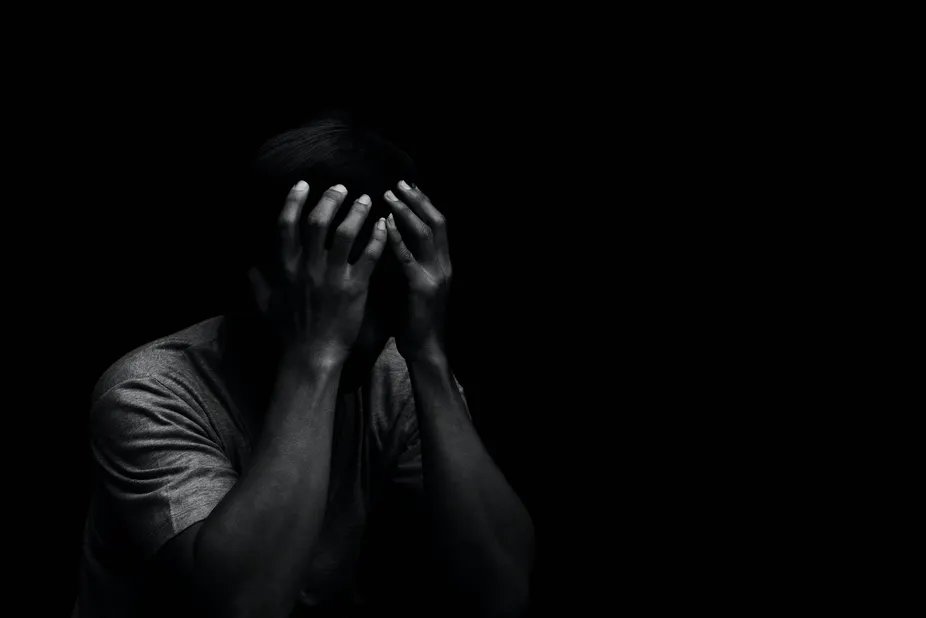
Men account for 80% of suicides as South Africa confronts a deepening mental health crisis
South Africa is facing a sobering mental health reality that is becoming harder to ignore.
New figures show that men now account for nearly 80% of all recorded suicides in the country, a statistic that has pushed the Department of Women, Youth and Persons with Disabilities to formally declare the situation a national crisis.
Behind the numbers is a growing concern about silence, stigma and the emotional weight carried by young men in particular, often without support systems strong enough to catch them before they reach breaking point.
A crisis most visible among young people
South Africa’s overall suicide rate sits at around 23 per 100,000 people, but the impact is especially severe among young citizens.
Suicide has now become the second leading cause of death for people aged 15 to 29, highlighting just how deeply mental health challenges are affecting the country’s youth.
These figures were shared in a parliamentary response provided after questions were raised about rising deaths among young men over the past five years.
While provincial breakdowns are still being finalised by Statistics South Africa, the available national picture already signals a growing emergency.
Why men are most affected
Officials and mental health experts point to a combination of social, emotional and economic pressures driving the crisis.
One of the most repeated themes is the expectation placed on men to remain emotionally silent.
Cultural norms in many South African communities still discourage men from expressing vulnerability or seeking help, reinforcing the idea that emotional struggle is something to endure alone.
This silence, experts warn, can become dangerous when combined with unemployment, financial pressure, trauma and exposure to violence.
The department has also linked rising distress to broader social issues including gender-based violence and long-standing inequality.
A key concern is that many young men only seek help when situations have already reached crisis point if at all.
Mental health stigma still blocking support
Mental health organisations say stigma remains one of the biggest barriers to prevention.
The South African Depression and Anxiety Group (SADAG) has warned that men in South Africa are facing a “critical suicide crisis,” with suicide rates among men estimated to be four to five times higher than those of women.
According to SADAG’s 2026 findings, around 70% of respondents reported severe financial anxiety a factor strongly linked to emotional distress and suicidal thoughts.
The organisation also highlighted a pattern seen across communities: men are less likely to reach out for help due to shame, fear of judgment or the belief that they must “stay strong” at all times.
The “silent pressure” of masculinity norms
Mental health advocates say the issue is deeply rooted in how masculinity is defined and taught.
The South African Federation for Mental Health (SAFMH) has described the situation as a “lethal silence,” arguing that many men are effectively socialised into emotional suppression from a young age.
Instead of expressing sadness or distress, men may show signs through anger, withdrawal or risky behaviour making it harder for families and communities to identify warning signs early.
SAFMH has called for more gender-sensitive mental health services that reflect how men actually experience depression and distress.
A system under pressure and underfunded
Civil society organisations and advocacy groups have also raised concerns about the country’s mental health infrastructure.
Groups such as Section27 and representatives linked to the Life Esidimeni tragedy have pointed to ongoing shortages in community-based mental health services and counselling support, particularly in rural areas.
They argue that while government has acknowledged the crisis, funding gaps remain a major obstacle to meaningful intervention.
There are also calls for more trained counsellors in underserved communities, where cultural expectations around masculinity are often strongest and access to professional help is limited.
A broader social warning sign
Recent reports have also highlighted a spike in mental health distress following major financial or seasonal pressures, with men particularly affected after the festive period.
Economic anxiety, unemployment and rising living costs continue to compound emotional strain across households.
For many experts, the suicide statistics are not just a health issue they are a reflection of wider social stress, inequality and emotional isolation.
The call for a cultural shift
At the centre of many recommendations is a simple but difficult challenge: changing how society views male vulnerability.
Officials and mental health professionals are increasingly calling for schools, families, religious groups and communities to create safer spaces where men and boys can speak openly without fear of ridicule or rejection.
The government has stressed that it cannot address the crisis alone and that a multisectoral response is essential.
Where help is available
Support organisations continue to encourage anyone in distress or those concerned about someone else to reach out for help.
The South African Depression and Anxiety Group provides confidential counselling and referrals to local services:
- 0800 21 22 23 (8am–8pm)
- 0800 12 13 14 (8pm–8am)
- SMS 31393
As the numbers continue to rise, the message from health experts is becoming clearer: silence is no longer an option, and early support could save lives.