News
No need to panic: Government reassures South Africans as fuel prices climb
No need to panic: Government reassures South Africans as fuel prices climb
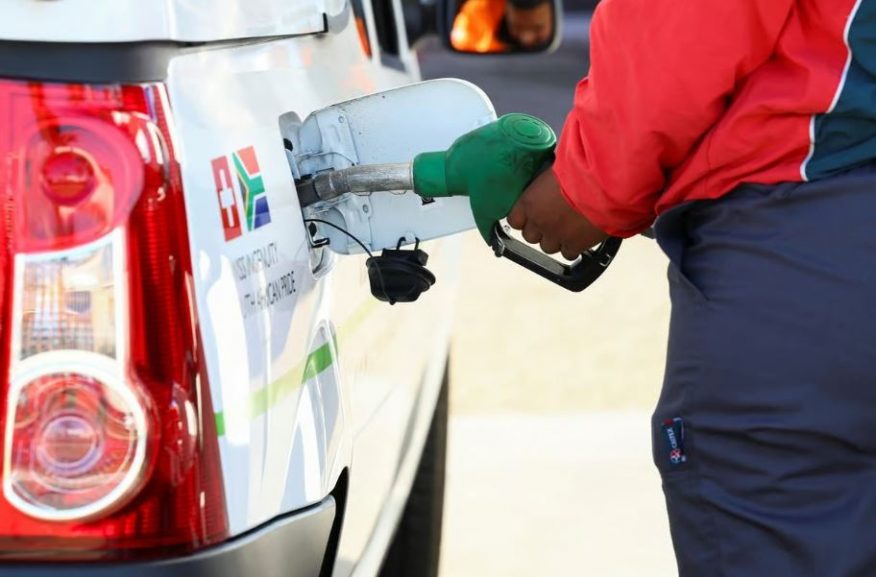
As petrol attendants across the country brace for another busy week, government has stepped in with a clear message to motorists: slow down, breathe, and don’t rush to the pumps.
With fuel prices set to rise from 1 April, anxiety has been building, the kind that usually leads to long queues, frantic top-ups, and WhatsApp rumours spreading faster than facts. But officials insist there’s no crisis behind the scenes.
Fuel price pressure meets public anxiety
The looming increase in petrol and diesel prices comes against the backdrop of global instability, particularly tensions in the Middle East that have pushed oil prices higher. For everyday South Africans, that translates into tighter budgets, from school runs in Joburg to delivery costs in Cape Town.
According to the latest data from the Central Energy Fund, fuel is currently under-recovering, meaning increases were always on the cards. But while prices are going up, supply itself is not under threat.
Government says the system is holding steady.
“There is no basis for panic buying”
In a firm statement, officials urged South Africans to resist the urge to stockpile fuel, warning that panic buying could do more harm than good.
Artificial demand spikes when everyone fills up at once can strain logistics, create temporary shortages at petrol stations, and spark unnecessary fear.
Put simply: the problem isn’t supply it’s behaviour.
The government also called out the role of misinformation, particularly on social media, where speculation about shortages tends to spiral quickly.
Why panic buying actually backfires
If you’ve lived through past fuel scares in South Africa, you’ll know the pattern: queues wrap around blocks, tempers flare, and within hours, stations run dry not because the country has no fuel, but because everyone tried to fill up at the same time.
The Fuel Industry Association of South Africa echoed this concern, warning that hoarding disrupts the very supply chain people depend on.
It’s a cycle that’s played out before and one the industry is trying to avoid repeating.
A familiar squeeze on South African households
Let’s be honest: even without shortages, rising fuel prices hit hard.
Taxi fares creep up. Grocery bills follow. Small businesses feel it in delivery costs. For many households already navigating load shedding, high food prices, and stagnant wages, this is just another layer of pressure.
That’s why this moment feels bigger than just petrol it’s about the broader cost of living.
Social media reaction: frustration, not fear
Online, the reaction has been mixed.
While some users have shared warnings about filling up early, others are pushing back, calling for calm and urging people to avoid creating unnecessary chaos.
A common sentiment? South Africans aren’t panicking about availability they’re frustrated about affordability.
The bigger picture: stable supply, rising costs
What government is really saying is this: the taps aren’t running dry but the price of what’s coming out of them is going up.
Behind the scenes, regulators and industry players are actively managing supply, ensuring that imports, storage, and distribution continue without disruption.
For now, the advice is simple:
- Fill up as you normally would
- Ignore unverified rumours
- Keep an eye on official updates
The takeaway
South Africa isn’t facing a fuel shortage, it’s facing a price shock.
And while that distinction may not make filling your tank any cheaper, it does mean one thing: there’s no need to join a queue out of fear.
In times like this, staying informed and calm might be the smartest move you can make.
{Source: The Citizen}
Follow Joburg ETC on Facebook, Twitter , TikTok and Instagram
For more News in Johannesburg, visit joburgetc.com