News
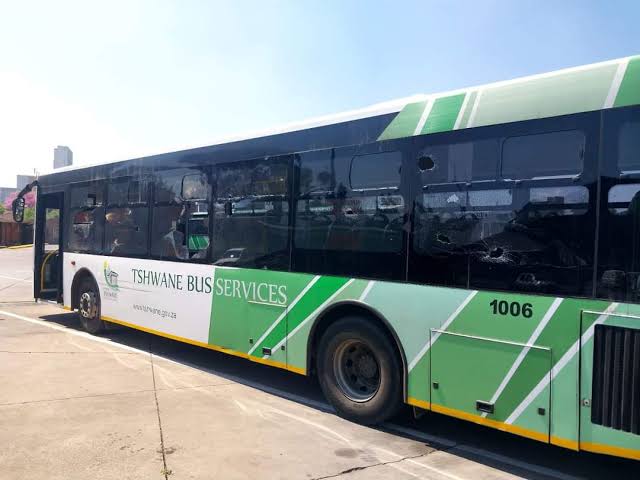
When the buses stop: Tshwane’s diesel shortage leaves commuters stranded
When the buses stop: Tshwane’s diesel shortage leaves commuters stranded
For many people in Tshwane, the bus isn’t just transport, it’s routine, reliability, and a lifeline to work, school, and everything in between.
This week, that routine was abruptly disrupted.
A growing diesel shortage has forced the city’s bus service to scale down dramatically, leaving thousands of commuters scrambling for alternatives and raising bigger questions about how fragile public transport systems can be when fuel supply tightens.
From full schedules to half-empty routes
Under normal circumstances, the Tshwane Bus Service runs 155 daily shifts across three depots: C de Wet, Pretoria North, and East Lynne.
Now, that system is running on fumes, literally.
With diesel supplies at all three depots depleted, operations have been slashed. At one point, only 65 of those scheduled shifts were able to run. In some updates, the number dropped even further, with just over 50 routes operating.
It’s not just a reduction, it’s a near standstill.
Why the diesel ran out
According to city officials, this isn’t a local supply glitch. It’s tied to a much bigger global picture.
Mayor Nasiphi Moya confirmed that the shortages are linked to ongoing conflict in the Middle East, which has disrupted global oil markets and placed pressure on supply chains.
In a country like South Africa, heavily reliant on imported fuel those global shocks are felt quickly at ground level.
What happens thousands of kilometres away can end up determining whether a bus arrives on time in Pretoria.
Priorities shift as pressure mounts
With limited diesel available, the city has had to make tough choices.
Instead of maintaining full transport services, officials have prioritised essential operations, including electricity, water services, metro police, and emergency response teams.
It’s a practical decision, but one that leaves everyday commuters in a difficult position.
As Mayor Moya pointed out, the timing offers slight relief schools are currently on break, but the problem isn’t expected to disappear anytime soon.
The commuter reality: plan B (and C)
For those who rely on buses daily, the disruption has been immediate.
Taxi ranks are getting busier. Lift clubs are being revived. And for some, walking longer distances has become the only option.
In true South African fashion, people are adapting, but not without frustration.
On social media, commuters have been sharing stories of missed shifts, late arrivals, and the stress of suddenly unreliable transport. Some expressed understanding, linking the crisis to global events, while others questioned why contingency plans weren’t stronger.
A familiar pattern in uncertain times
This isn’t the first time fuel issues have disrupted daily life, but it feels more intense this time.
The diesel shortage comes just as fuel prices are surging, creating a double blow: even where fuel is available, it’s becoming significantly more expensive.
Civil rights group AfriForum has welcomed government’s move to reduce the fuel levy, calling it a necessary step to ease pressure on consumers. But there are calls for more transparency around the country’s fuel reserves, a concern that’s growing louder as shortages begin to affect essential services.
The bigger cost: how South Africans are coping
Economist Dawie Roodt notes that fuel shocks don’t hit everyone the same way.
- Higher-income households might cut back on luxuries like dining out
- Middle-income families start trimming everyday extras
- Lower-income households are often forced to make tougher choices, cutting essentials like food, school fees, or medical aid
In other words, a diesel shortage doesn’t just affect transport, it ripples through entire households.
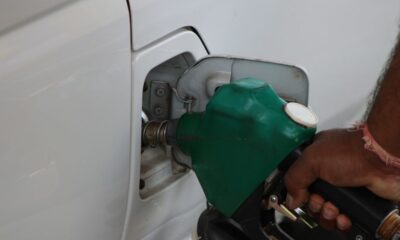
A telling moment at the pump
At a petrol station in Pretoria East, one motorist summed it up in a way many South Africans understand:
Whether you spend R200 today or tomorrow, it’s still R200, just less fuel in the tank.
It’s a simple observation, but it captures the mood: resignation mixed with quiet concern.
Tshwane’s bus slowdown is more than a temporary inconvenience, it’s a snapshot of how interconnected South Africa’s systems really are.
Global conflict affects oil prices. Oil prices affect fuel supply. Fuel supply affects buses. And buses affect people’s ability to live their daily lives.
For now, the city is managing what it can, prioritising essential services and hoping supply stabilises.
But for commuters waiting at quieter-than-usual bus stops, the impact is already real and a reminder that sometimes, the biggest disruptions arrive without warning.
{Source: The Citizen}
Follow Joburg ETC on Facebook, Twitter , TikTok and Instagram
For more News in Johannesburg, visit joburgetc.com