News
‘It’s a Mess’: Petrol Stations Run Dry as South Africa Braces for R3.06 Fuel Hike
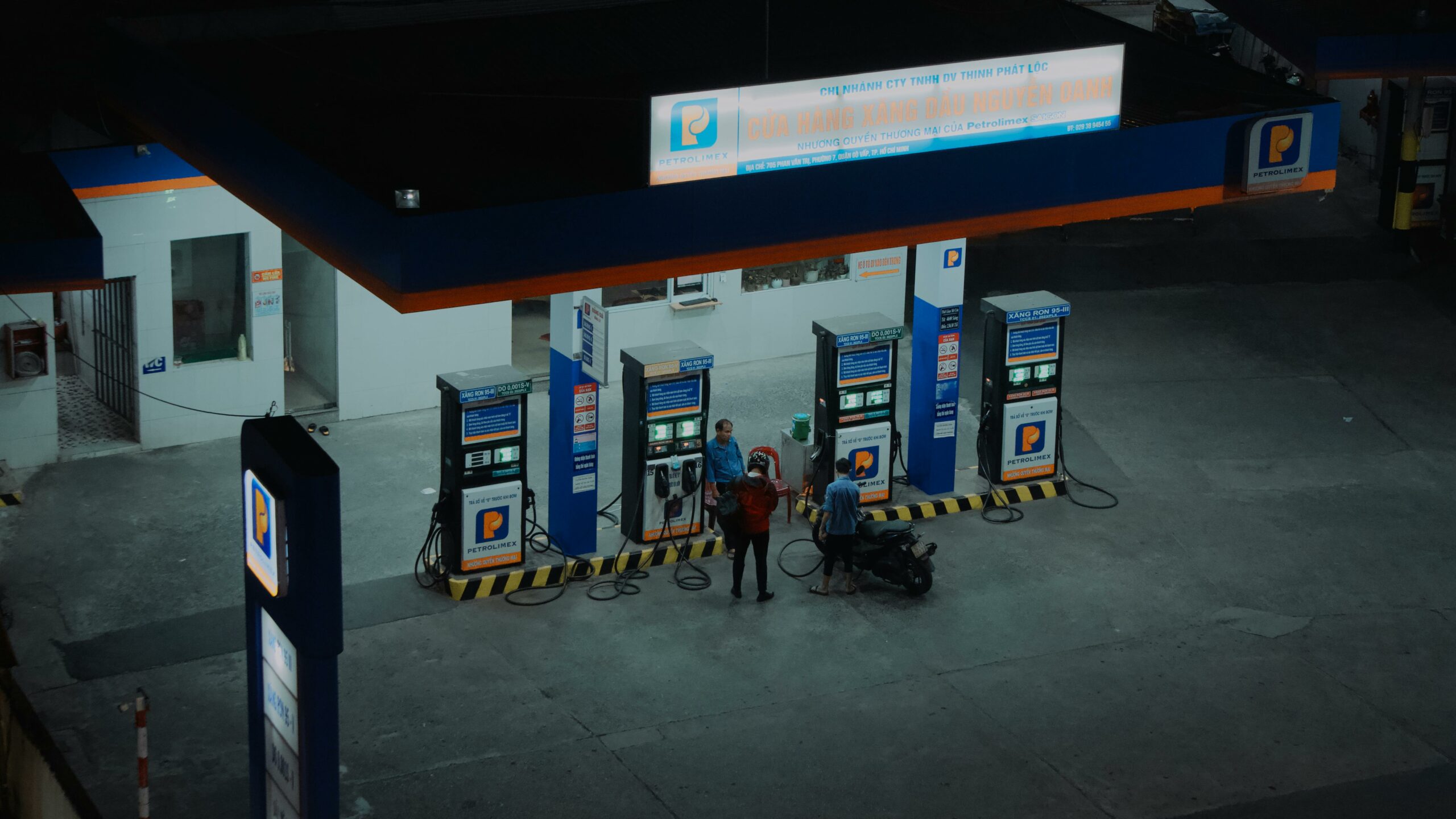
Dozens of filling stations across South Africa ran dry on Tuesday as motorists scrambled to fill up with petrol and diesel ahead of the drastic fuel price hike at midnight.
And though the government cushioned the blow at the very last minute, announcing a R3 cut in the fuel levy , it did very little to stem the onslaught at the pumps.
The Numbers
-
Petrol: Increased by R3.06 a litre
-
Diesel: Rose by between R7.37 and R7.51 a litre , depending on the grade
The Causes
The wallet-crushing leap was driven mainly by a global oil shock, as conflict in the Middle Eastparticularly around Iran and the Strait of Hormuzdisrupted supply and pushed crude prices above $100 a barrel.
At the same time, a weaker rand and South Africa’s reliance on imported fuel made the hikes even steeper locally.
The Queues
Long queues formed from early morning and stretched throughout the day. Some stations were so overwhelmed that waiting times reached an hour, while others ran out of stock entirely.
Some motorists took drastic measures, filling containers in a desperate bid to beat the soaring prices.
The Economic Ripple
Fuel sits at the centre of the economy. A rise at the pump feeds through into transport, production, and logisticsand ultimately into the price of goods, services, and borrowing.
Dawie Roodt , of Efficient Group, warned that further increases could be on the table in May.
“This is an average over under-recovery. The real increase in the oil price happened over the past two weeks or so. If prices stay at the current level, there could be another increase in May.”
Nick Hedley of Zero Carbon Analytics said South Africa was highly exposed.
“SA is a net importer of crude oil and oil products. Fuel prices are pushed higher by two factors: the much higher oil price, and the weakened rand as investors flee to safe-haven assets, mainly the US dollar.”
A Familiar Shock
South Africa saw a similar shock after Russia invaded Ukraine in February 2022. Inflation rose by 2.1 percentage points in the months that followed, climbing from 5.7% to 7.8% in just five months. Food inflation reached 10.1% by July 2022.
The Reserve Bank raised interest rates by 4.25 percentage points in the 15 months after the war began.
“Unless the war ends soon and the Strait of Hormuz is reopened, we are likely to see something similar,” Hedley said.
At the Pumps
Wilfred Fortuin , of Strand, Cape Town, said he had to leave work just to fill up.
“It is a struggle to juggle work and then break away to come and fill upthat is the problem at the moment.”
Ryan Vosloo , who runs a school transport company, said rising fuel costs were starting to bite.
“It does not help financially, because normally I do smaller transport, so I pay travel expenses a lot. When the petrol is finished, my customers have to pay for it. But because it is so expensive now, my customers demand that petrol be included in the total price.”
Stations Run Dry
Astron Energy at Sir Lowry’s in Woodstock, Cape Town, reported running completely out of fuel.
The Engen station on the corner of the N2 and Gerber Boulevard in Helderberg said it had run out of both diesel and petrol.
General manager Charles Loots said they were still waiting for new stock.
“The customers are angry at me. They shout at me, accusing me of keeping fuel for friends or hiding it away. Tempers flare, which one can understand. It is a mess.”
MBT Fuel on Main Road, Van Ryneveld, said it only had petrol left around 1 pm.
New Hanover Garage in KwaZulu-Natal imposed temporary limits: containers were not being filled, trucks were limited to 40 litres per fill, and diesel vehicles to 25 litres.
The Bottom Line
Petrol up R3.06. Diesel up R7.51. Queues for hours. Stations running dry. Angry customers. A mess, as one manager put it.
And economists warn: if the war continues, May could bring another hike.
{Source: IOL}
Follow Joburg ETC on Facebook, Twitter , TikTok and Instagram
For more News in Johannesburg, visit joburgetc.com