News
Bolt Fares Climb As Fuel Prices Bite South African Commuters

If your Bolt ride suddenly feels a little more expensive this month, you are not imagining it. The ride-hailing giant has officially confirmed fare adjustments across South Africa as fuel prices surge to some of their highest levels in recent memory.
For many commuters already juggling rising living costs, it is another reminder that getting from point A to point B is no longer as simple or as affordable as it used to be.
Fuel Price Shock Ripples Through Daily Travel
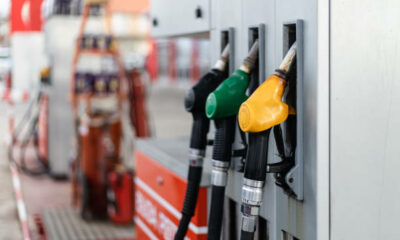
The latest fuel hike has hit hard. Petrol and diesel prices jumped sharply at the start of April, with 95 Unleaded increasing by R3.06 per litre and diesel climbing by a steep R7.51 per litre.
Behind the spike is a familiar global story. Tensions and conflict in the Middle East have pushed up international oil prices, and South Africa, which relies heavily on imported fuel, is feeling the impact almost immediately.
For drivers who rely on platforms like Bolt to earn a living, fuel is one of their biggest daily expenses. When those costs rise, something has to give.
Bolt Moves To Protect Drivers
Bolt says the fare increase is a necessary step to keep its drivers on the road.
According to the company, the adjustments are temporary and will be reviewed regularly depending on how fuel prices behave in the coming months. The goal is to make sure drivers can still earn sustainably without pushing passengers away entirely.
It is a balancing act that has become increasingly difficult in South Africa’s current economic climate.
On one hand, drivers need higher fares to cover rising costs. On the other, passengers are already stretched thin.
What Riders Can Expect
While fares are going up, Bolt says commuters will not necessarily feel the full impact immediately.
The company plans to continue offering discounts and subsidies to soften the blow. In simple terms, the price you see may rise, but promotions and incentives could help keep trips within a somewhat familiar range.
Still, regular users of ride-hailing apps will likely notice a gradual increase, especially during peak hours or longer trips.
Not Just Bolt: Taxi Industry Feeling The Heat
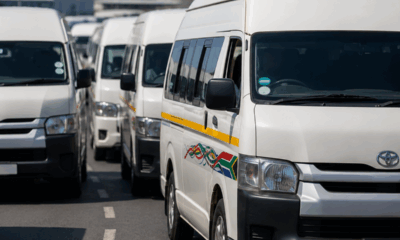
Bolt is not alone in this shift. The broader transport sector is under pressure, and minibus taxis could be next.
The South African National Taxi Council has already warned that fare hikes are being considered as operators struggle with rising fuel costs.
For millions of South Africans who rely on taxis as their primary mode of transport, this could have an even bigger impact than ride-hailing increases.
The Bigger Picture For South Africans
Transport costs are quietly becoming one of the biggest pressures on household budgets.
Whether you are using Bolt for convenience, hopping into a taxi for your daily commute, or filling up your own car, the rising cost of fuel is touching every part of daily life.
And with global oil markets still uncertain, there is no clear sign of relief just yet.
For now, commuters across the country may need to budget a little extra for every trip, because getting around South Africa is getting more expensive by the day.
{Source:IOL}
Follow Joburg ETC on Facebook, Twitter , TikTok and Instagram
For more News in Johannesburg, visit joburgetc.com