News
Rising fuel and fertiliser costs put South Africa’s food prices under pressure
Rising fuel and fertiliser costs put South Africa’s food prices under pressure
A quiet cost crisis building in the fields
While shoppers may only notice higher prices at the till, South Africa’s farmers are already feeling the squeeze long before food reaches supermarket shelves.
A sharp rise in diesel and fertiliser costs is now raising serious concerns across the agricultural sector, with industry groups warning that South Africa could soon see further pressure on already rising food prices.
At the heart of the concern is a simple reality: farming runs on fuel, fertiliser, and careful planningand all three are becoming more expensive at the same time.
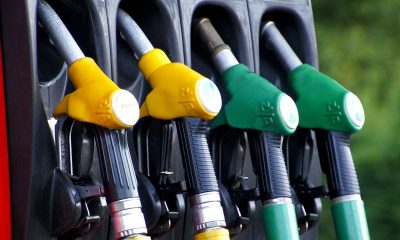
Fuel costs hit the backbone of farming
Industry bodies such as AgriSA and Agbiz say diesel alone makes up between 12% and 18% of production costs for farmers.
That figure matters, especially during peak seasons when machinery is constantly in use for planting and harvesting.
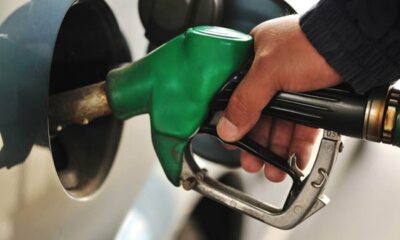
Recent spikes in global oil pricesdriven in part by instability linked to Middle East conflicthave pushed diesel prices sharply higher. Farmers now warn that another increase in May could push diesel close to R40 per litre.
For many, that’s not just a budgeting issueit’s a direct threat to production planning.
Timing couldn’t be worse for planting season
The pressure is arriving at the worst possible moment.
Winter grain planting is about to begin in the Western Cape, particularly wheat farming, while the northern parts of the country are preparing for summer crop harvesting.
According to AgriSA COO Jolanda Andrag, the agriculture system is deeply sensitive to fuel price changes because nearly every stage of production depends on transport and machinery.
In the Western Cape alone, winter cereal planting is expected to consume over 13 million litres of fuel. In the northern regions, harvesting operations could require more than 98 million litres of diesel.
When fuel prices rise at this scale, the impact is felt across the entire food chain.
Fertiliser imports add another layer of pressure
Fuel is only part of the story.
South Africa imports around 80% of its fertiliser from countries including Saudi Arabia, Qatar, Oman, Russia and China. That makes local agriculture highly exposed to global supply disruptions.
Shipping delays and rising global input costsagain influenced by geopolitical tensionsare now pushing fertiliser prices higher just as farmers prepare for the new planting cycle.
Given that South Africa is an arid country with only about 14% of land considered arable, fertiliser is not optional. Without it, yields drop significantly, making food production far less efficient.
From farm to shelf: why prices rise fast
While farmers are the first to feel the pressure, they are not the last.
Economist Sanele Nkosi from BDO South Africa explains that rising input costs eventually filter through the entire food systembut not always in a simple or predictable way.
Farmers often struggle to pass costs directly to consumers. Instead, retailers and supply chains play a major role in determining final shelf prices.
Still, when production costs rise sharplyespecially by as much as 30%food inflation becomes increasingly difficult to avoid.
A system built on long-term planning under strain
Agriculture doesn’t respond quickly to change. Farmers plan planting cycles months, sometimes years, in advance.
That means today’s fuel price spike could affect food production well into next year.
Small-scale farmers are expected to feel the pressure most severely, as cash flow becomes harder to manage under rising operational costs.
In an industry where margins are already tight, even small disruptions can reshape decisions about what gets planted, how much is grown, and whether certain crops are viable at all.
What this means for South African households
For everyday consumers, the warning signs are clear even if the causes are complex.
Food is not becoming scarcebut it is becoming more expensive to produce.
That distinction matters. As Andrag points out, the challenge is not availability, but affordability. Supermarket shelves may remain full, but more households could find those prices increasingly out of reach.
Social media reaction: frustration and concern
As fuel and food costs trend upward, South Africans have taken to platforms like X and Facebook to share frustration and concern.
Many users have linked rising food prices to broader cost-of-living pressures, while others are calling for greater support for local farmers who they see as the backbone of food security.
A bigger picture beyond the farm
What’s unfolding is not just an agricultural issueit’s an economic chain reaction.
Fuel, fertiliser, logistics, and retail pricing are all connected. When one link weakens, the effects ripple outward.
For South Africa, where food security and affordability are already sensitive issues, the timing of these cost increases is particularly challenging.
Pressure but not collapse
Despite the warnings, there is no immediate risk of food shortages. Instead, the concern is gradual price escalation across key staples.
Farmers continue to adapt, but the margin for error is shrinking.
As the new planting season begins, one thing is clear: South Africa’s food prices are now tightly tied to global instabilityand consumers will likely feel that connection more directly in the months ahead.
{Source: Sunday Times}
Follow Joburg ETC on Facebook, Twitter , TikTok and Instagram
For more News in Johannesburg, visit joburgetc.com