If you’ve ever bought a cheap charger that overheated or furniture that barely lasted a year, you’re not alone. South Africa is now stepping in to tackle exactly that problem, with a new system aimed at stopping unsafe and low-quality imports before they even reach local shelves.
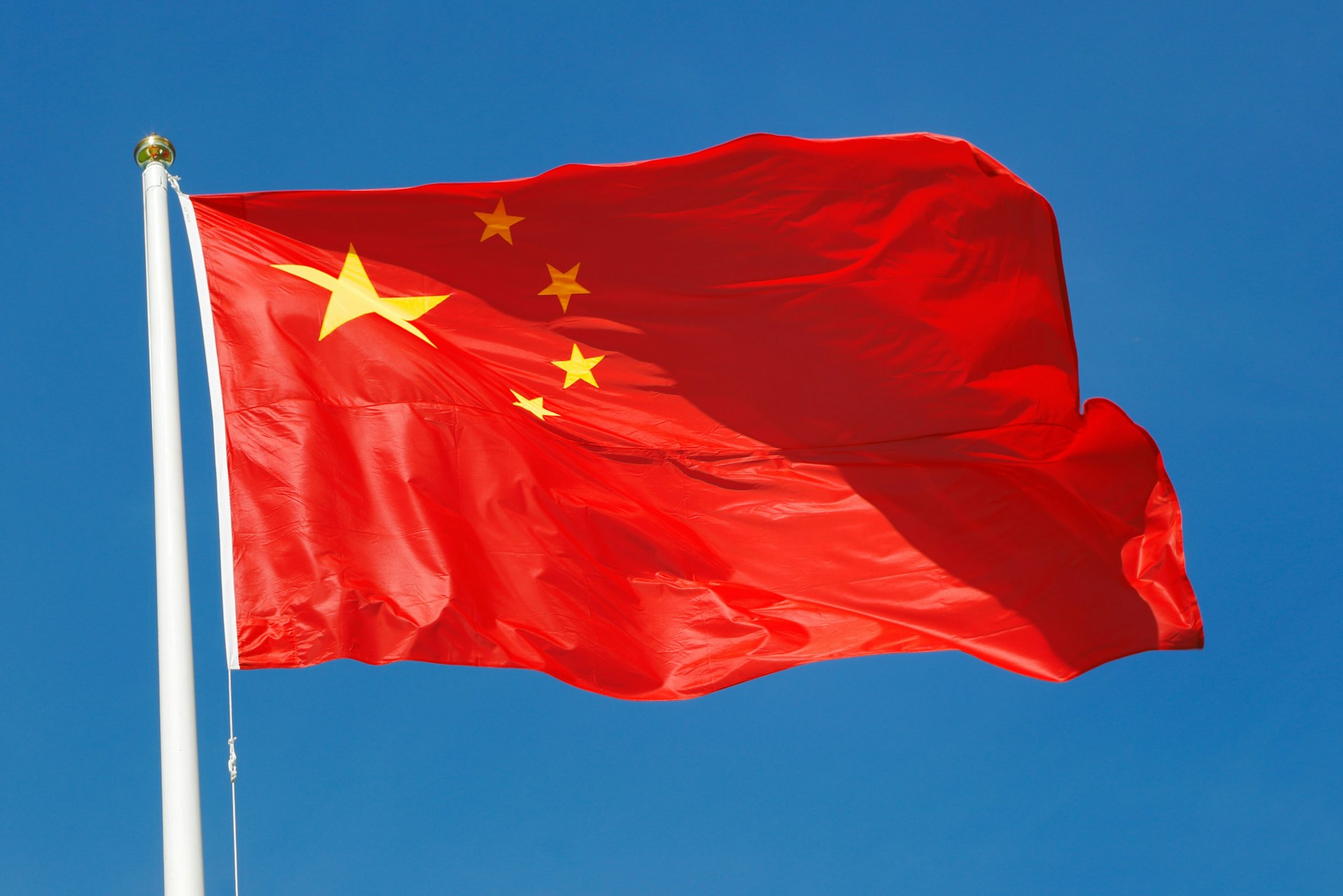
The government is rolling out stricter controls on goods coming from China, a move that could reshape what ends up in South African homes and shops over the next year.
What The New Rules Mean For Imports
At the centre of the shift is a new directive under the Standards Act, introduced by the Department of Trade, Industry and Competition.
The plan is simple in theory but significant in practice. Certain goods shipped from China will now need to be tested and certified before they leave the country of origin. Importers will have to secure a Certificate of Conformity confirming that products meet South African safety and quality standards.
The South African Bureau of Standards will oversee the process, while customs officials will enforce it at ports of entry.
In short, products that fail the test will not even make it onto a ship bound for South Africa.
Why Government Is Stepping In Now
This move did not come out of nowhere. Over the years, concerns have been growing about the volume of substandard goods entering the country.
From electrical appliances that can spark fires to toys containing harmful chemicals, the risks have been quietly building. Even everyday items like phone chargers and furniture have raised red flags for safety and durability.
By introducing checks before export, authorities are trying to stop these products at the source rather than dealing with the fallout locally.
It is also a signal that consumer protection is being taken more seriously, especially as budget-conscious shoppers continue to turn to cheaper imports.
The Products Being Targeted First
The initial phase of the programme focuses on goods that have slipped through regulatory gaps in the past.
Cosmetics and skincare products are high on the list, particularly items like skin-lightening creams and hair relaxers that may contain harmful substances such as mercury or hydroquinone.
Hygiene products, including sanitary pads and baby diapers, will be tested for safety and effectiveness, while household items like mattresses and foam products will face flammability and emissions checks.
Furniture such as bunk beds and office chairs will be assessed for structural strength, a key concern in preventing accidents at home or in the workplace.
On the higher-risk end, LPG accessories like hoses and regulators will undergo strict testing due to the dangers linked to gas leaks. Building materials such as solar panels and insulation, along with safety products like pool covers, will also be scrutinised to ensure they perform properly when it matters most.
Why China Is The Starting Point
While the focus is currently on imports from China, officials have made it clear this is not about targeting one country.
China was chosen because it is South Africa’s largest trading partner and a major source of consumer goods, including many of the products flagged as high risk.
If the system proves effective, it is expected to expand to other countries in line with global trade rules.
What Happens Next
The directive was published in March 2026 and is expected to take full effect around the end of September.
Between now and then, businesses have a six-month window to adjust. During this transition period, authorities will run inspections, test systems, and engage with importers and exporters to smooth the rollout.
For consumers, the impact may take a little longer to feel. But over time, this shift could mean fewer faulty products, safer everyday items, and more confidence in what ends up in your shopping basket.
It may not make cheap goods disappear, but it could finally raise the standard of what “affordable” looks like in South Africa.