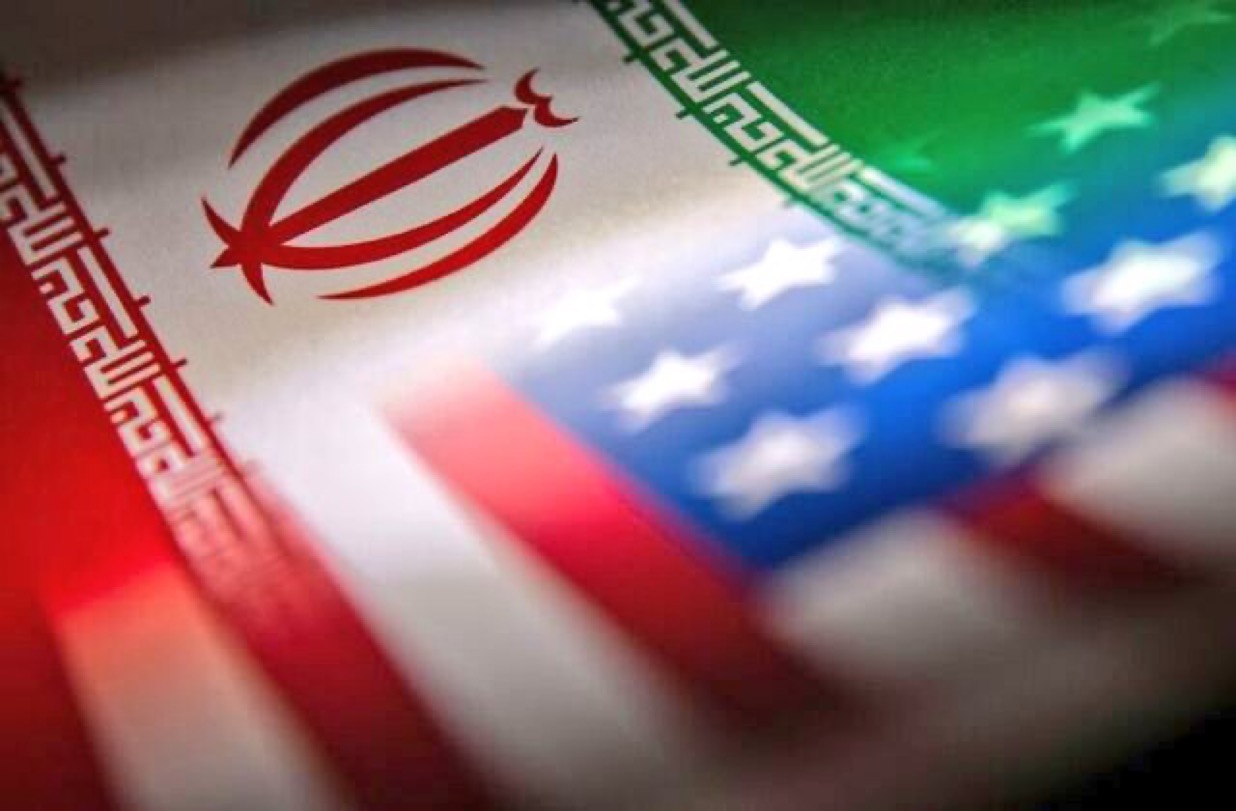
As tensions in the Middle East continue to simmer, South Africa is once again leaning into a familiar message: talk first, act later. International Relations Minister Ronald Lamola has warned that the United States’ blockade of Iranian ports is unlikely to break the current deadlock, arguing instead that it may deepen it.
Speaking from Germany during high-level engagements, Lamola made it clear that South Africa sees diplomacy as the only realistic path forward in a region already under immense strain.
South Africa Doubles Down On Diplomacy
For Pretoria, this is not a new position. South Africa has long positioned itself as an advocate for negotiation over conflict, and Lamola reiterated that stance this week.
He pointed out that both the United States and Iran appear to be operating outside the framework of international law, particularly the principles outlined by the United Nations. In a world already grappling with multiple conflicts, that kind of escalation raises serious concerns.
Lamola also called for the current ceasefire in the Middle East to hold, reinforcing South Africa’s broader anti-war posture.
A Missed Chance For Negotiation
Looking back, Lamola suggested that the current situation might have been avoided. According to him, continued negotiations around Iran’s nuclear programme could have prevented the February strikes carried out by the United States and Israel.
That breakdown in talks has since triggered a chain reaction. Iran’s retaliatory strikes on Gulf countries have added another layer of tension, particularly in cases where there is little evidence linking those nations directly to the initial conflict.
For South Africa, this cycle of action and reaction only pushes a peaceful resolution further out of reach.
Building Trust Not Pressure
While in Berlin, Lamola aligned South Africa with Germany’s position, calling for renewed dialogue and deeper engagement between all parties involved.
The focus now, he said, should be on rebuilding trust. That means creating space for negotiations, exercising patience, and allowing discussions to unfold without constant escalation.
It is a slower route, but one that South Africa believes offers a more sustainable outcome than military pressure or economic blockades.
Why This Matters Back Home
For many South Africans, the Middle East conflict may feel distant, but its impact is often felt closer to home than expected. Global tensions in oil-producing regions can quickly translate into fuel price hikes and broader economic pressure locally.
Lamola’s comments reflect an awareness of those ripple effects. Stability abroad often supports stability at home, and prolonged conflict only adds to global uncertainty.
In the end, South Africa’s message is simple but consistent: lasting peace cannot be forced. It has to be negotiated, step by step, through dialogue that prioritises long-term solutions over short-term wins.