News
South Africa’s gig economy boom: Why most e-hailing drivers are doing it for extra income
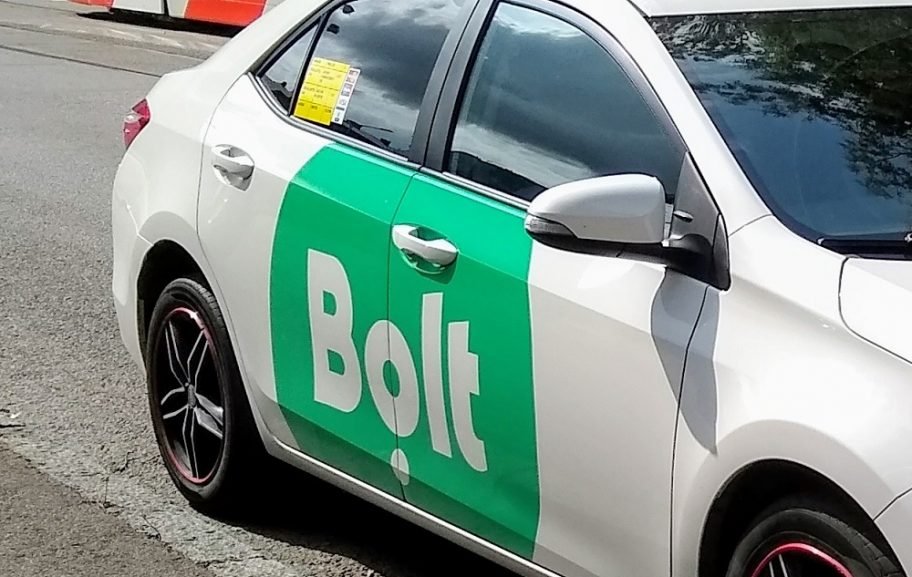
When driving becomes more than just transport
In South Africa’s tough economic climate, many people are no longer seeing e-hailing simply as a way to get from point A to B. For thousands of drivers, it has quietly become a financial lifeline, either as a side hustle or a full-time income stream.
A new report by Bolt and Ipsos reveals just how deeply this shift has taken root in the country’s gig economy, showing that flexible driving jobs are now part of everyday survival and entrepreneurship.
Side hustle first, full-time second
The study paints a clear picture: around 70% of e-hailing drivers in South Africa use the platform as a secondary source of income, topping up what they already earn elsewhere.
Only 30% rely on it as their main income, showing that for most drivers, gig work is about making ends meet rather than replacing traditional employment entirely.
Ipsos, the global research company behind the study, defines gig work as short-term, flexible jobs completed through digital platforms a model that is rapidly reshaping how South Africans earn a living.
“It’s about opportunity, not just mobility”
According to Simo Kalajdzic from Bolt, the meaning of ride-hailing has shifted far beyond transport.
“In South Africa’s current economic climate, ride-hailing is no longer just about mobility; it’s about opportunity,” he said.
Drivers are increasingly using platforms to build income streams, support households, and create flexible working lives that allow them more control over their time and earnings.
What is emerging, Kalajdzic notes, is a form of “everyday entrepreneurship” where individuals are effectively running their own micro-businesses on the road.
A safety net in a strained economy
One of the most striking findings in the report is that 90% of drivers say their standard of living has improved since joining e-hailing platforms.
For many households, the money earned is not luxury income, it is survival income. It goes toward basics like:
- Food
- Rent
- Transport
- Education
These earnings also help families smooth out irregular incomes, especially in a country where unemployment remains a major challenge.
The report also found that 32% of respondents value financial independence most, highlighting a strong desire among South Africans to control their own income instead of relying solely on traditional employment.
Government and experts see a growing economic role
The rise of gig work is not going unnoticed. Bongani Nkosi, spokesperson for the Gauteng Department of Economic Development, said digital platforms are playing an increasing role in expanding access to income opportunities, especially in urban centres.
At the same time, Ipsos strategy director Soyinka Witness pointed out that the gig economy is becoming more embedded in South Africa’s labour market.
He noted that while many drivers use ride-hailing to supplement income, others depend on it entirely and in both cases, it is contributing to financial stability and economic participation.
More than just a side hustle anymore
What emerges from the data is a country where flexible work is no longer informal or temporary in the traditional sense it is becoming structural.
For some, e-hailing is a backup plan. For others, it is the main plan. But across both groups, the impact is the same: it is helping people stay economically active in a difficult job market.
As South Africa continues to wrestle with unemployment and rising living costs, the gig economy is no longer on the sidelines. It is firmly in the centre of how many households are surviving and, in some cases, slowly rebuilding stability.
{Source: The Citizen}
Follow Joburg ETC on Facebook, Twitter , TikTok and Instagram
For more News in Johannesburg, visit joburgetc.com