Tensions are rising in eThekwini as residents and ratepayer groups push back against the municipality’s latest budget proposals, arguing that rising costs simply do not match the reality on the ground.
At a recent engagement between city officials and ratepayer associations, the mood was anything but relaxed. Instead, it turned into a frank and often heated conversation about failing infrastructure, water losses, and a growing sense that residents are being asked to pay more for less.
Ratepayers Question Why Costs Are Climbing
The municipality’s draft budget for the 2026 to 2027 financial year sits at a hefty R74.7 billion. Of that, R68.8 billion is earmarked for operations, while R5.9 billion is set aside for capital projects.
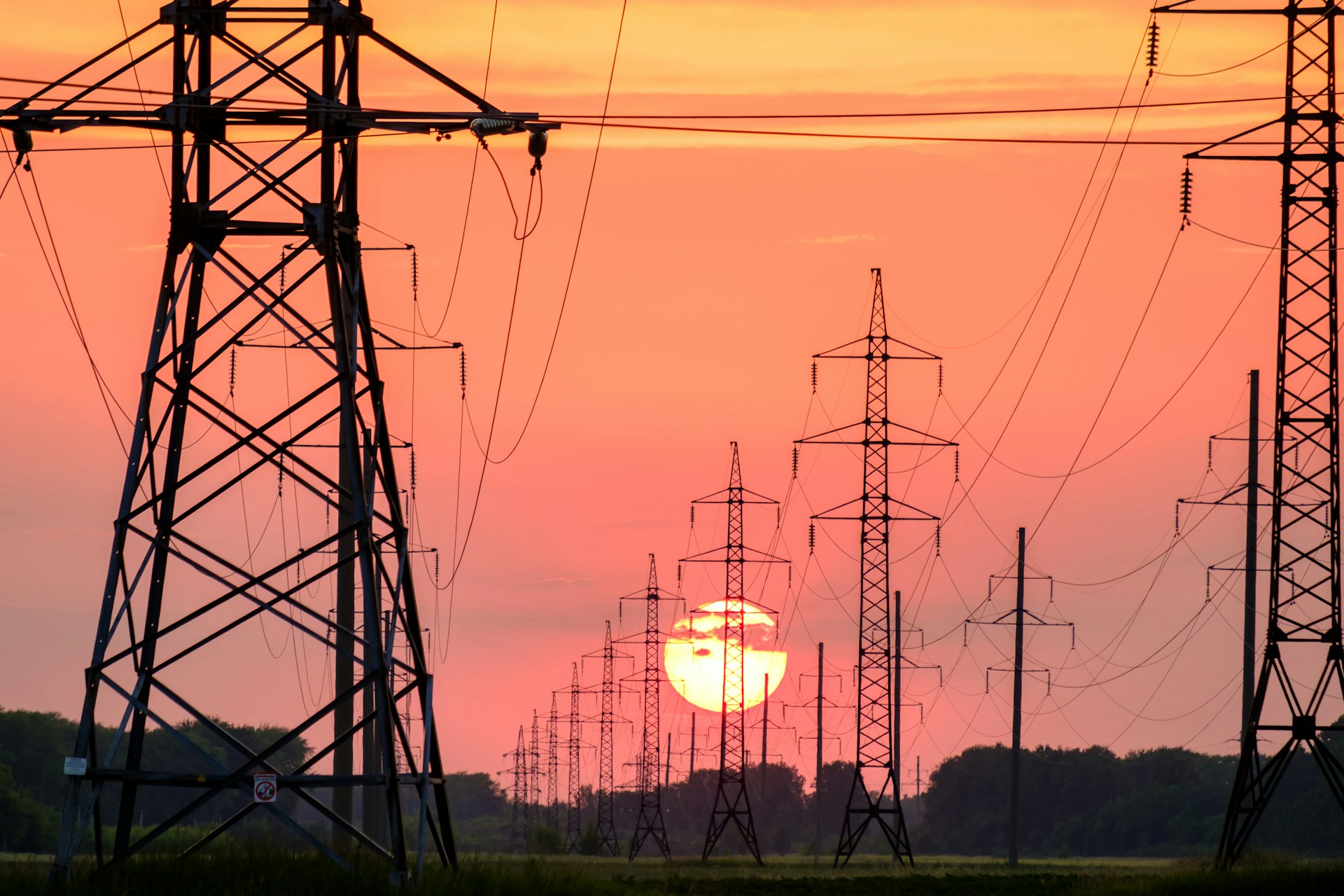
Alongside the budget comes a series of proposed tariff hikes that have raised eyebrows across Durban. Water tariffs could rise by 15 percent for households and 16 percent for businesses. Electricity is set to increase by 10.5 percent, while sanitation and refuse removal could both go up by 13 percent. Property rates are also expected to climb by 5 percent.
For many residents already dealing with inconsistent services, these increases feel hard to justify.
Water Losses Remain A Major Concern
One of the most pressing issues raised during the discussions was the city’s ongoing struggle with water losses. Estimates suggest that more than half of the municipality’s water supply is lost before it even reaches paying customers.
Ratepayer representatives argued that fixing leaks and improving infrastructure should come before any tariff hikes. Suggestions such as deploying ward-based plumbers were put forward as a practical way to reduce losses and improve response times.
There were also concerns about unregulated water usage, including the rise of informal car washes operating in residential areas. Calls were made for stricter monitoring and metering to ensure the city recovers revenue where it can.
Transparency And Spending Under Scrutiny
Beyond service delivery, questions were raised about how the municipality manages its finances.
Critics of the draft budget described it as lacking transparency and failing to meet key standards set out in the Municipal Finance Management Act. Concerns included unclear reporting on infrastructure surcharges, outsourced services, and how funds are distributed across wards.
One particularly contentious point was water revenue. While the city projects around R14 billion in income from water sales, only about R11 billion is required. At the same time, the municipality spends roughly R6.3 billion purchasing bulk water, raising questions about pricing and profit margins in a system plagued by losses.
Ratepayer groups also flagged issues such as estimated billing, delayed meter replacements, and the growing reliance on water tankers that are not fully accounted for in the budget.
Infrastructure And Service Delivery Challenges
The conversation also turned to the broader state of municipal infrastructure, with concerns about ageing systems, failing wastewater treatment works, and rising debt.
There is growing frustration among residents who feel they are being forced into payment arrangements just to keep services running, even when those services are unreliable.
At the same time, spending priorities are being questioned. Allocations for tourism promotion and other projects have come under scrutiny, especially as some communities continue to struggle with basic service delivery.
City Defends Budget Approach
Mayor Cyril Xaba acknowledged the concerns but maintained that ratepayers remain a key stakeholder in the city’s planning process.
He pointed to improvements made in the past financial year, including road upgrades and some progress in stabilising water supply. Xaba also stressed that the municipality operates within a broader system, where rising bulk costs from suppliers like Eskom and uMngeni-uThukela Water put additional pressure on local tariffs.
According to the mayor, the city is actively engaging with these entities in an attempt to limit the impact on residents.
A Growing Disconnect
The debate around eThekwini’s draft budget highlights a deeper issue facing many South African metros. Residents are increasingly unwilling to accept higher costs without clear improvements in service delivery.
In Durban, that frustration is becoming harder to ignore. For ratepayers, the message is simple: fix the basics first, then talk about higher bills.
As the budget process continues, all eyes will be on whether the municipality adjusts its approach or pushes ahead with increases that many residents feel are already out of reach.