South Africa’s police leadership crisis revives calls for credible SAPS commissioner appointments
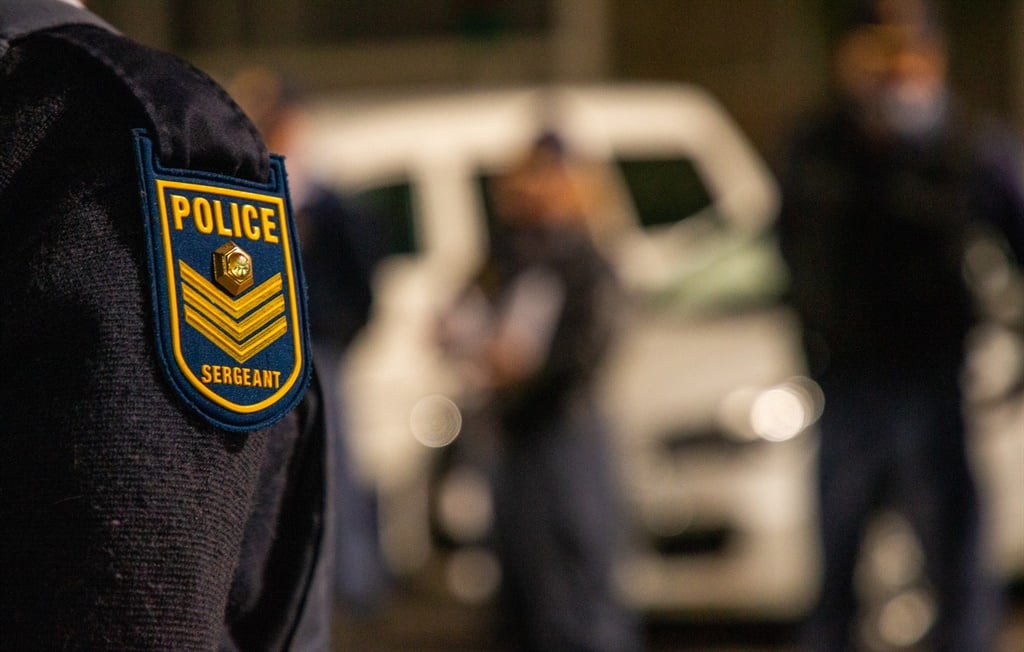
South Africa’s policing crisis is no longer only about crime on the streets. Increasingly, it is also about who sits at the top.
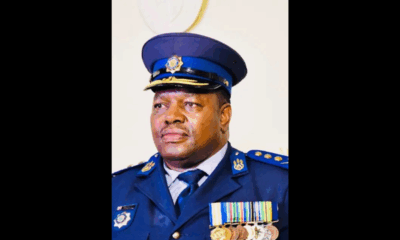
With National Police Commissioner Fannie Masemola facing mounting scrutiny after appearing in court over alleged Public Finance Management Act violations, pressure is growing for President Cyril Ramaphosa to confront a deeper institutional problem: how the country appoints its police leaders.
For many South Africans, the question is painfully familiar. Why do so many police commissioners leave office under scandal, suspension, dismissal or investigation?
A troubling pattern at the top
Over the last two decades, the highest office in the South African Police Service has repeatedly been shaken by controversy.
From Jackie Selebi to Bheki Cele, Riah Phiyega, Khomotso Phahlane, Khehla Sitole and now Masemola, nearly every recent era has been clouded by allegations ranging from corruption to political interference and leadership failure.
That pattern has damaged public trust in an institution already under pressure from violent crime, organised syndicates and stretched resources.
Why experts say the system needs reform
Independent policing analyst Johan Burger says the core issue begins with recruitment.
Currently, the national commissioner is appointed by the president, while several senior positions are filled internally through structures critics say are vulnerable to influence and manipulation.
On paper, the process appears professional. In practice, experts argue, it often lacks transparency and independent scrutiny.
That gap matters. If leadership appointments are politicised or poorly vetted, the consequences are felt all the way down to station level.
The National Development Plan already proposed a solution
The often-cited National Development Plan 2030 recommended years ago that South Africa create a national policing board.
The idea was straightforward but powerful:
- Independent experts help set appointment standards
- Candidates selected through open, competitive processes
- Ethics and professional conduct evaluated properly
- President appoints from vetted recommendations
Supporters say such a model would improve legitimacy and reduce the perception that political loyalty matters more than competence.
Why morale inside SAPS is also at stake
Professor Nirmala Gopal from University of KwaZulu-Natal warned that constant controversy at the top can damage morale across the service.
That point is often overlooked.
Thousands of honest officers work difficult shifts under dangerous conditions. When leadership is repeatedly tied to scandal, rank-and-file confidence can erode.
It also sends a message to the public that accountability is selective.
A brief history of leadership turmoil
South Africans have watched this cycle repeat:
Jackie Selebi era
Selebi was convicted on corruption charges linked to dealings with convicted drug trafficker Glenn Agliotti.
Bheki Cele era
Cele’s term ended amid controversy over major police lease agreements.
Riah Phiyega era
Phiyega’s leadership came under severe criticism after the Marikana tragedy and later controversies.
Khomotso Phahlane era
Phahlane later faced misconduct and corruption findings linked to procurement.
Khehla Sitole era
Sitole’s leadership was criticised over intelligence failures and disputes with oversight bodies.
Fannie Masemola era
Masemola now faces legal and political pressure over allegations tied to a major contract. He denies wrongdoing.
Public mood: frustration and fatigue
Across social media and talk radio, public reaction has been less about personalities and more about exhaustion.
Many South Africans are asking why each new commissioner is presented as a fresh start, only for the same controversies to resurface.
In a country dealing with hijackings, extortion, gender-based violence and organised crime, citizens want a police service focused on safety not internal scandal.
Ramaphosa’s real decision
The current pressure on Ramaphosa is not only whether to back or remove one commissioner.
The larger choice is whether to keep managing crises one appointment at a time, or finally reform the system that keeps producing them.
That means embracing transparent vetting, measurable qualifications, independent panels and leadership insulated from factional politics.
What credible appointments would signal
If South Africa gets police appointments right, it could restore more than administrative order.
It could rebuild trust.
Trust that competence matters. Trust that corruption has consequences. Trust that the police leadership exists to serve the public, not networks of influence.
Until then, every new commissioner may continue to inherit the same old problem.
{Source: IOL}
Follow Joburg ETC on Facebook, Twitter , TikTok and Instagram
For more News in Johannesburg, visit joburgetc.com