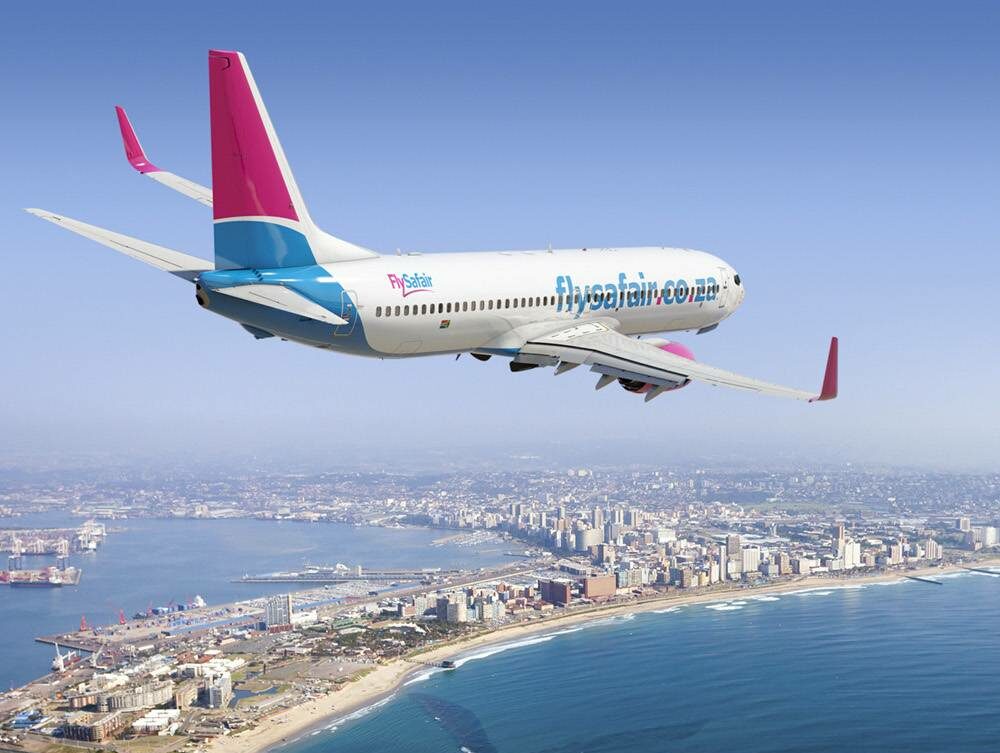
There’s a bit of breathing room for South African travellers this week, especially for those eyeing domestic flights. Low-cost airline FlySafair has trimmed its fuel surcharge for the second week in a row. On paper, that sounds like good news. In reality, the story is a little more complicated.
The airline says the small reduction comes as jet fuel prices begin to settle after months of turbulence. But while prices have dipped slightly, they are still sitting far above what airlines were paying before the global fuel crisis hit earlier this year.
A Small Win For Travellers
For anyone who has tried booking flights recently, the added fuel surcharge has been hard to miss. It quietly pushed up ticket prices at a time when many South Africans were already tightening their travel budgets.
FlySafair’s latest adjustment brings a bit of relief, even if it is modest. According to the airline, the drop reflects a slight easing in Jet A1 fuel costs after a dramatic spike linked to geopolitical tensions in the Middle East.
That spike hit hard and fast. At its peak, jet fuel prices at South African coastal airports jumped by around 70 percent in just one week. For an airline like FlySafair, where fuel makes up nearly half of operating costs, the impact was immediate and severe.
Why The Surcharge Is Sticking Around
Despite the recent dip, fuel prices are still more than double what they were before the crisis. That is why the surcharge is not going anywhere just yet.
FlySafair has confirmed that the levy will remain in place until at least 21 August 2026. It is reviewed weekly and adjusted based on real-time fuel pricing, which means passengers could see further changes in the coming months.
The amount you pay also depends on your route. Longer flights burn more fuel, so the surcharge is not a flat fee across the board.
What Travellers Need To Know
If you are planning to book or change a flight, there are a few key things to keep in mind:
- Tickets booked before the surcharge was introduced are not affected
- Any changes to existing bookings could trigger the surcharge if your travel date falls within the levy period
- All new bookings currently include the surcharge on applicable routes
FlySafair has also made a point of publishing updated rates on its website, giving travellers a clearer picture of how prices shift from week to week.
The Global Story Behind Your Ticket Price
To understand why this is happening, you have to zoom out beyond South Africa.
The surge in fuel prices can be traced back to disruptions in global oil supply routes, particularly through the Strait of Hormuz. This narrow shipping lane carries about a fifth of the world’s oil, and any instability there sends shockwaves through fuel markets.
When supply tightened, prices shot up. Airlines around the world felt the pressure almost instantly, and many responded by increasing fares or introducing fuel-linked charges.
FlySafair initially tried to absorb the rising costs to protect customers. But with fuel adding roughly R35 000 per flight hour for each Boeing 737-800 at the height of the crisis, that approach quickly became unsustainable.
A Temporary Fix In A Long-Term Problem
Fuel surcharges are not something FlySafair typically leans on. The airline has built its reputation on simple, transparent pricing. But the scale of the current crisis forced a change in strategy.
The airline insists the surcharge is temporary and will be reduced further or removed entirely once fuel prices return to more stable levels. For now, though, it remains a necessary compromise to keep flights running without dramatically increasing base fares.
For South African travellers, the takeaway is clear. Prices may be easing slightly, but the era of ultra-cheap flights is still under pressure. Until global fuel markets calm down, every ticket will continue to carry a reminder of just how connected local travel is to global events.