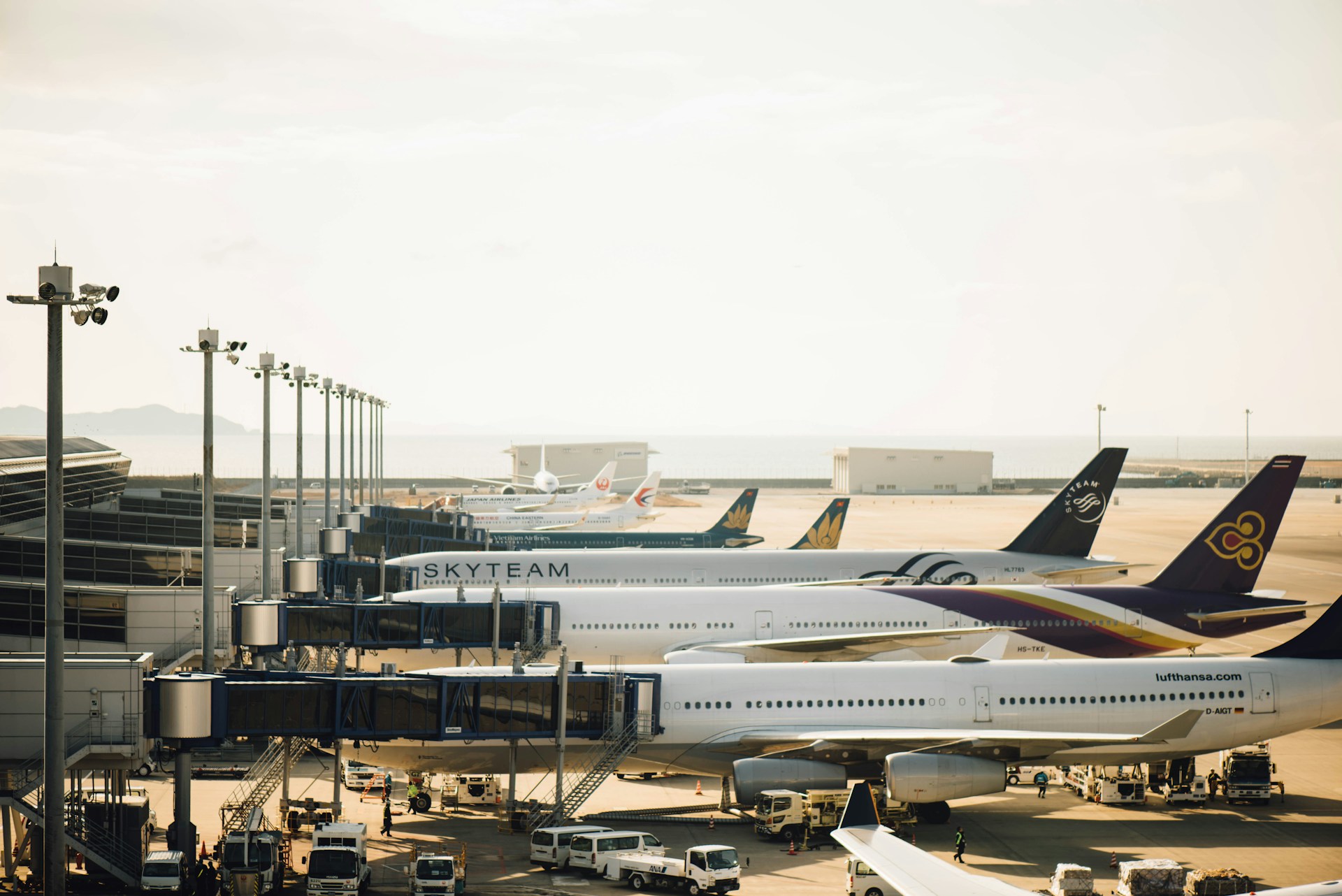
The price of flying is climbing again, and this time, it is not just seasonal demand driving it. Behind the scenes, global airlines are quietly tightening their belts as fuel costs surge, forcing tough decisions that are starting to ripple through flight schedules and ticket prices worldwide.
Airlines Feel The Pressure
Jet fuel, the lifeblood of the aviation industry, has become dramatically more expensive in recent months. The spike comes as geopolitical tensions in the Middle East disrupt supply chains and transport routes, pushing costs higher across the board.
For airlines, fuel is often one of the biggest operating expenses. When prices double, as they have in this case, the impact is immediate and difficult to absorb.
Carriers are now being forced to rethink routes, cut back on less profitable flights and adjust pricing strategies just to stay afloat.
Lufthansa Leads With Major Cuts
One of the clearest signs of strain comes from Lufthansa, which has announced plans to cancel around 20,000 short-haul European flights this summer.
The decision is not about demand, but rather about economics. With fuel prices soaring, certain routes simply no longer make financial sense to operate.
It is a move that highlights how even major global airlines are not immune to the pressure.
What It Means For Travellers
For passengers, the impact is becoming harder to ignore. Fewer flights mean less flexibility, while higher operating costs are already translating into more expensive tickets.
Industry analysts are warning that this could just be the beginning. As long as tensions in key oil-producing regions continue, airlines may be forced to make even deeper cuts or pass more costs onto travellers.
In practical terms, that could mean booking earlier, paying more, and having fewer options when planning trips.
A Familiar Cycle In Aviation
This is not the first time the aviation sector has faced a fuel-driven squeeze. Historically, spikes in oil prices have often triggered similar reactions, from route reductions to fare increases.
But what makes the current situation more complex is the fragile global environment airlines are operating in. Many carriers are still stabilising after the disruptions of recent years, leaving little room to absorb another major cost shock.
The Bigger Picture
The current crisis is a reminder of how closely aviation is tied to global politics. A conflict thousands of kilometres away can quickly translate into higher travel costs and fewer flights closer to home.
For South African travellers, this could mean pricier international trips and tighter availability on popular routes, especially during peak travel seasons.
As airlines continue to navigate rising costs, one thing is clear. The era of cheap, easily accessible flights is facing renewed pressure, and the effects are already being felt across the skies.