For many travellers heading into Europe this week, the journey has hit turbulence before take-off.
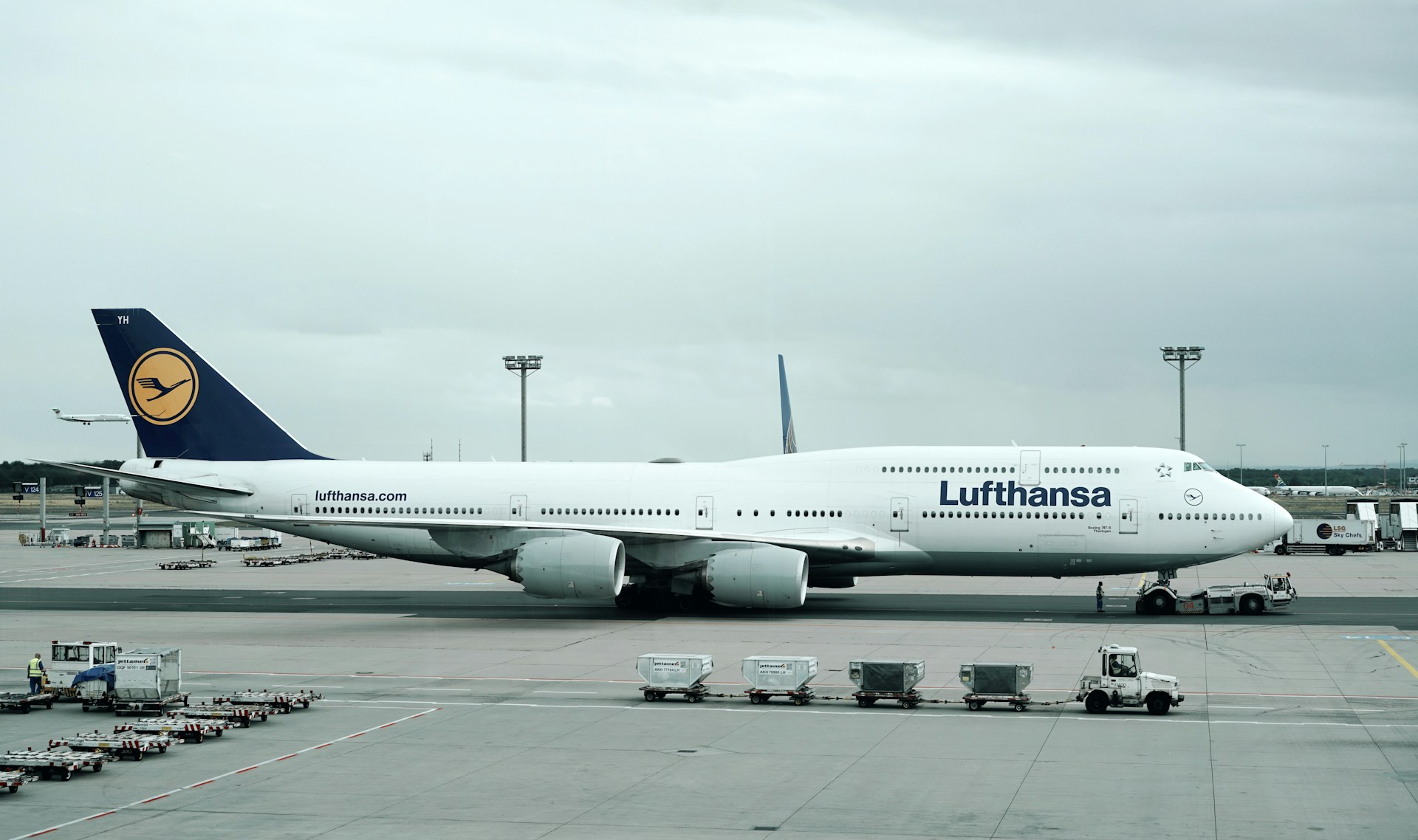
Pilots at German airline giant Lufthansa have downed tools for a two-day strike, triggering widespread disruption across the airline’s network and leaving passengers scrambling for alternatives.
The industrial action, which kicked off on April 13 and continues through April 14, is being led by the Vereinigung Cockpit union. It does not just affect Lufthansa’s mainline operations but also extends to pilots at Lufthansa CityLine and Eurowings, widening the impact across the group.
Flights Cut As Strike Bites
The scale of the disruption is significant. Lufthansa has indicated that only a portion of its schedule will go ahead, with roughly a third of short-haul flights and about half of long-haul services expected to operate during the strike period.
On the first day alone, more than 550 out of 1,322 planned flight movements were cancelled, according to reports. That translates into thousands of passengers needing to rethink their travel plans almost overnight.
Airlines often try to cushion the blow during strikes, and Lufthansa is doing the same. The group says it is leaning on partner airlines and other carriers within its network to keep as many routes active as possible.
What Passengers Can Do Now
For travellers caught in the chaos, there are a few options on the table.
Passengers holding tickets issued on or before April 11 for Lufthansa-operated flights scheduled on April 13 and 14 can rebook onto another Lufthansa Group flight free of charge, as long as they travel by April 21. Alternatively, they can request a refund, with the deadline for refund requests set for April 13.
The policy applies not only to Lufthansa but also to flights linked to its wider network, including Austrian, SWISS, Brussels Airlines and Air Dolomiti.
A Familiar Pattern In European Aviation
Strikes like this are not new in Europe’s aviation landscape. Labour disputes involving pilots and cabin crew have become a recurring feature, particularly as airlines and unions clash over working conditions, pay and long-term restructuring plans.
For South African travellers, the knock-on effect can be real. Lufthansa is a major connector between Johannesburg, Cape Town and key European hubs like Frankfurt and Munich. When disruptions hit, they often ripple through connecting flights, delays and missed itineraries.
The Bigger Picture For Travellers
This latest strike is another reminder of how fragile global travel can be, even in peak recovery years for the aviation industry.
For passengers, flexibility has become part of the deal. Booking options that allow changes, keeping an eye on airline updates and having a backup plan are no longer just nice-to-haves. They are essential.
As the two-day strike runs its course, all eyes will be on how quickly Lufthansa can stabilise its schedule and get travellers moving again.