News
ANC in Joburg faces political crisis after Treasury letter on city finances
What Treasury flagged
The letter from Finance Minister Enoch Godongwana, leaked to the media this week, identifies multiple problems with the city’s finances. Among the issues it lists are revenue collection failing to meet budget targets, overexpenditure, non-compliance with regulations, and continued unauthorised, irregular, and fruitless and wasteful expenditure totalling R12.8bn for the 2024 financial year (excluding write-offs).
Godongwana also draws attention to the city’s mounting unpaid bills: outstanding creditor balances increased from R17bn in 2022/23 to R25.2bn in 2024/25, while the city’s cash and cash equivalents of R3.9bn in 2024/25 are insufficient to repay those creditors.
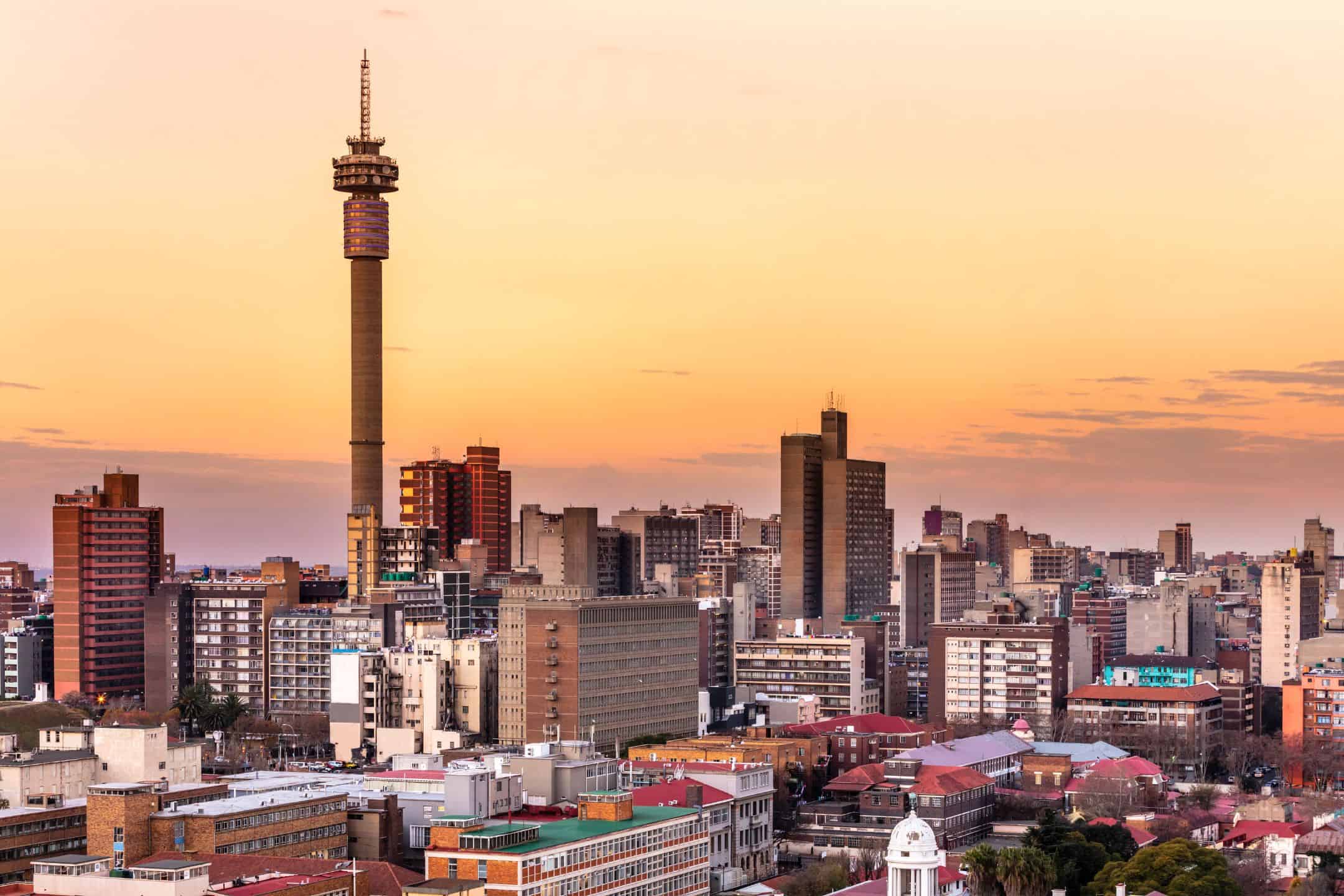
The letter notes the wider stakes: under the finance minister’s wording the city which the piece states contributes about 16% to national GDP is effectively insolvent.
The disputed wage deal
In the final section of the letter, Treasury challenges a R10.3bn wage agreement reached with municipal workers’ union Samwu in November and later provided for in the city’s March adjustment budget. Godongwana notes that an initial tranche of R1.4bn has been allocated, with a further R5bn–R6bn due in July and R4.1bn by next July.
The minister questions how the city intends to fund these increases given its financial distress, writing that the city has “committed the city into a financial obligation that is not possible to fulfill.”
“Given that the city is in financial distress, it is unclear how it intends to fund these salary increases over the [medium-term revenue and expenditure framework],”
“You have committed the city into a financial obligation that is not possible to fulfill.”
He further states that the agreement may violate the Municipal Finance Management Act and instructs the city to stop implementing the “illegally signed agreement.” Treasury warned that if the city does not comply, it will withdraw the city’s July equitable share instalment. The article notes the city’s total annual equitable share grant from Treasury is in the order of R8bn.
The ANC’s dilemma
The publication outlines three stark choices facing the ANC-led administration in Johannesburg: cancel the Samwu deal; raise municipal rates; or lose the equitable share instalment. Each option carries electoral and governance risks.
Cancelling the wage deal risks alienating a key constituency: Samwu is affiliated to Cosatu and is described as the dominant union in local government, with the article noting the metro employs upwards of 26,000 employees (and citing the Local Government Handbook’s estimate of about 40,000). Rejecting the deal could prompt strikes that would further disrupt services.
Raising rates, the piece warns, may provoke voter backlash given already poor service delivery. Losing the equitable share would reduce capital and maintenance budgets and could threaten funding for the city’s indigent policy, which the article says serves about 130,000 households.
Political fallout ahead of elections
The article reports the ANC is already behind opposition parties in campaign activity for the November local government elections and cites polling placing the ANC at 30% in the metro against the DA’s 39%. It says the ANC has yet to announce its mayoral candidate, while opposition candidates have been campaigning for months.
According to the piece, the ANC in Johannesburg is attempting to engage Godongwana directly. It reports that senior party figures tried to contact the finance minister and have requested a face-to-face meeting, after questioning why the letter was sent without consultation. The article adds that Godongwana responded firmly to those queries.
What comes next
The article concludes that the ANC’s financial management and service delivery record in Johannesburg have put the party in a precarious position and that the consequences will be in the hands of voters at the ballot box.
Follow Joburg ETC on Facebook, Twitter, TikTok and Instagram
For more News in Johannesburg, visit joburgetc.com
Source: currencynews.co.za