News
Ramaphosa digs in: Five major takeaways from his Phala Phala address
Ramaphosa digs in: Five major takeaways from his Phala Phala address
President Cyril Ramaphosa has made one thing crystal clear, he is not stepping down.
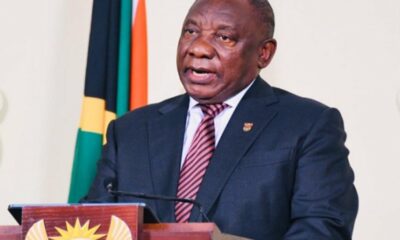
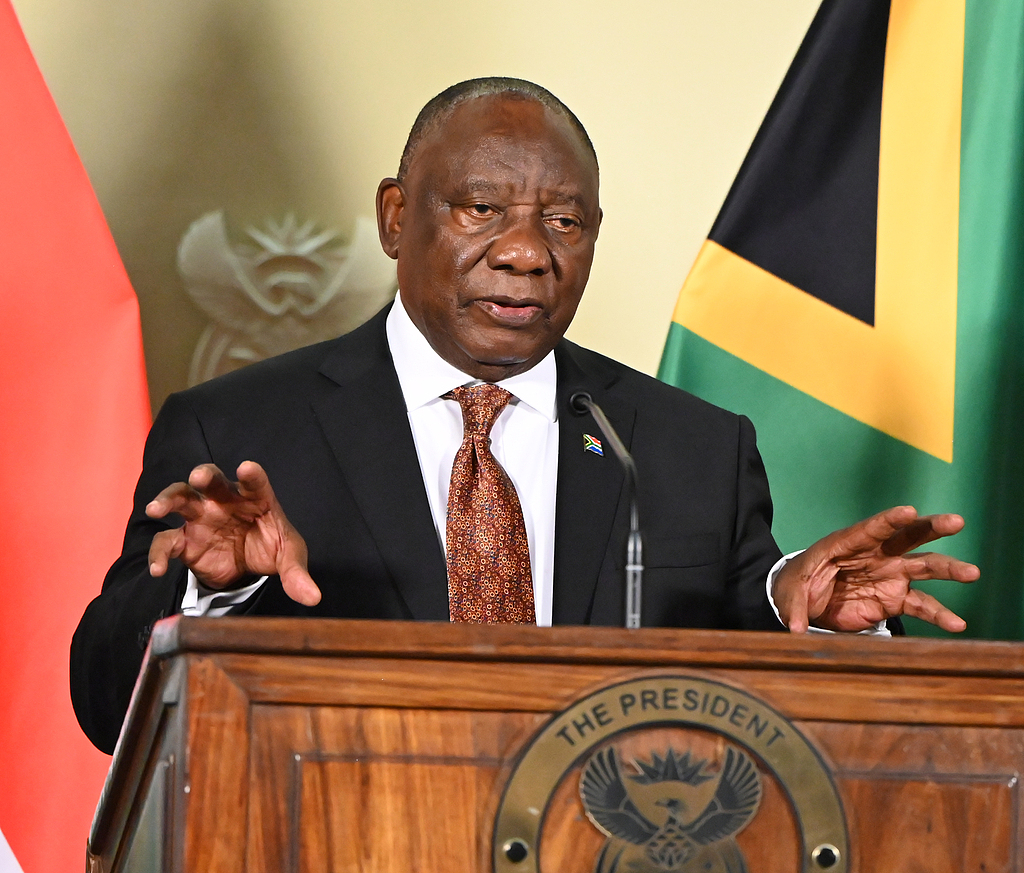
In a tense national address on Monday night, the president pushed back hard against mounting political pressure linked to the long-running Phala Phala scandal, insisting he will fight the Section 89 report in court instead of resigning.
The speech comes after the Constitutional Court of South Africa reopened the path for Parliament to reconsider impeachment proceedings tied to the 2020 theft at Ramaphosa’s Limpopo game farm.
For many South Africans, the address felt like a pivotal political moment one that could shape not only Ramaphosa’s presidency, but also the ANC’s future heading into a critical election period.
Here are the five biggest takeaways from the president’s speech.
1. Ramaphosa says he will not resign
The strongest message of the evening came early.
“I will not resign,” Ramaphosa declared, shutting down speculation that he may step aside under pressure.
The president argued that leaving office now would effectively amount to admitting guilt before any proper constitutional process has been completed.
His remarks are likely aimed not only at opposition parties, but also at factions within the ANC that have reportedly been divided over how the party should handle the renewed Phala Phala fallout.
On social media, reactions were sharply split. Supporters praised Ramaphosa for refusing to bow to political pressure, while critics accused him of clinging to power despite the controversy.
2. The legal battle is only beginning
Rather than retreat politically, Ramaphosa is preparing for a legal fight.
He confirmed that his legal team has advised him to challenge the independent parliamentary panel’s Section 89 findings through judicial review.
According to Ramaphosa, the report contains serious legal flaws and factual errors.
The Section 89 panel previously found that the president may have a case to answer regarding the theft of millions of US dollars from his Phala Phala farm and allegations surrounding how the matter was handled afterward.
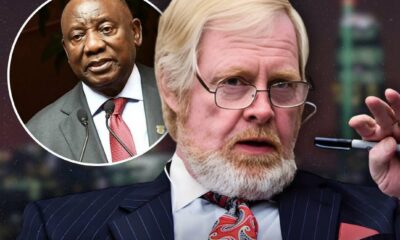
The scandal first erupted after former spy boss Arthur Fraser accused Ramaphosa of concealing the theft and bypassing proper legal channels.
Ramaphosa has repeatedly denied wrongdoing, maintaining that the money originated from the legal sale of game animals.
3. The Constitutional Court ruling changed everything
A major turning point came with last week’s Constitutional Court judgment.
The court found flaws in Parliament’s earlier handling of the impeachment process and overturned the National Assembly’s 2022 decision that prevented the inquiry from moving forward.
That ruling has now reopened the possibility of a full parliamentary impeachment investigation.
Ramaphosa acknowledged that the legal landscape has changed dramatically since 2022, saying the report previously had “no practical legal consequence” after Parliament voted against proceeding at the time.
Now, however, the political and constitutional stakes are much higher.
4. The ANC is standing behind its president for now
Despite growing opposition pressure, the African National Congress has publicly rallied behind Ramaphosa.
Reports suggest senior ANC leaders urged him not to resign, fearing political instability and deeper divisions within the party ahead of future elections.
Still, political analysts say the real test could come if impeachment proceedings intensify in Parliament or if coalition partners begin distancing themselves from the president.
The ANC’s National Executive Committee (NEC) is expected to discuss the Constitutional Court ruling and the party’s next steps in a key meeting on Tuesday.
5. Ramaphosa wants to frame this as a constitutional fight
One of the more strategic elements of the speech was Ramaphosa’s attempt to position himself as defending constitutional process rather than simply protecting his presidency.
“I do so out of respect for the Constitution and the rule of law,” he said.
That framing may become central to his political survival strategy.
Instead of focusing purely on the allegations themselves, Ramaphosa appears determined to shift attention toward legal procedure, due process and constitutional interpretation.
Whether that argument resonates with ordinary South Africans remains uncertain.
A presidency under pressure
The Phala Phala controversy has followed Ramaphosa for years, but the Constitutional Court ruling has breathed new life into a scandal many believed had politically cooled.
Now, with opposition parties expected to intensify calls for accountability and impeachment once again on the table, Ramaphosa faces perhaps the biggest challenge of his presidency since taking office in 2018.
Yet Monday night’s speech made one thing unmistakable: he is preparing for a long political and legal battle and he has no intention of walking away quietly.
{Source: IOL}
Follow Joburg ETC on Facebook, Twitter , TikTok and Instagram
For more News in Johannesburg, visit joburgetc.com