News
R80bn BRT left underused as commuters stick with taxis, report finds
A national report on 11 May 2026 revealed South Africa’s multibillion-rand Bus Rapid Transit (BRT) programme has failed to attract large numbers of commuters despite almost two decades of investment.
What the figures show
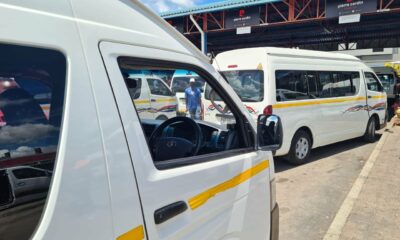
The Department of Transport has reportedly admitted that roughly R80 billion has been spent on BRT systems nationwide. According to figures discussed on 702, only about 152,000 passengers use BRT services across the country, while nearly eight million commuters continue to rely on minibus taxis daily.
Rea Vaya’s experience in Johannesburg
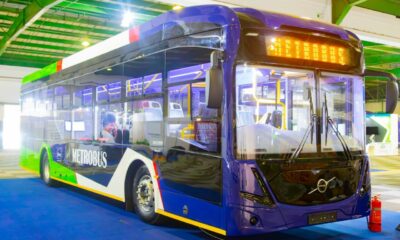
In Johannesburg, the Rea Vaya system was specifically highlighted. Officials say Rea Vaya operates 63 stations with more than 200 buses across various routes, but daily passenger numbers are estimated at between 15,000 and 20,000 commuters. The system’s infrastructure bill to date is reported at R16.8 billion, while monthly operating costs are estimated at between R30 million and R40 million.
Why ridership is low
The report and commentators point to a mix of planning and integration problems. Observers described numerous BRT stations as largely empty and criticised the slow rollout of a truly integrated public transport network. A specific shortcoming noted is the absence of a seamless payment and transfer system that would allow commuters to move easily between buses, minibus taxis, Gautrain and PRASA rail services.
Public reaction and criticism
Taxpayers and civic groups have reacted sharply to the numbers. The Organisation Undoing Tax Abuse (OUTA) said taxpayers were not getting value for money and warned that many projects resembled “white elephants.” OUTA CEO Wayne Duvenage urged authorities to address the problems, saying that continued spending without proper research and integration was unacceptable.
“We just see an absolute waste of taxpayers’ money because there’s not enough research going into this,”
Effect on taxis and congestion
The report underlined that the minibus taxi industry still dominates public transport provision, carrying the overwhelming majority of commuters nationwide. Critics pointed out that, despite the BRT rollout, commuters continue to depend on taxis and on overcrowded public transport, indicating the programme has not achieved a shift away from existing commuter patterns.
Suggested fixes
Experts and commentators proposed a narrow set of corrective measures based on the problems raised in the report:
- Improve integration across transport modes, including a unified payment system to enable seamless transfers.
- Conduct more rigorous research and planning before further expenditure.
- Either urgently fix underperforming systems or halt further investment into projects that are not delivering commuter uptake.
Official responses
Rea Vaya’s director of service promotions, Benny Makgoga, defended the system as part of a broader integrated public transport plan, while acknowledging current passenger numbers. Authorities have reportedly accepted that the national BRT programme has not delivered all its intended outcomes.
The revelations have intensified public scrutiny of transport spending and planning, and renewed calls for urgent action to either improve the BRT systems’ usefulness to commuters or stop further wasteful expenditure.
Follow Joburg ETC on Facebook, Twitter, TikTok and Instagram
For more News in Johannesburg, visit joburgetc.com
Source: ewn.co.za