News
Political parties split over Ramaphosa’s decision to fight Phala Phala report
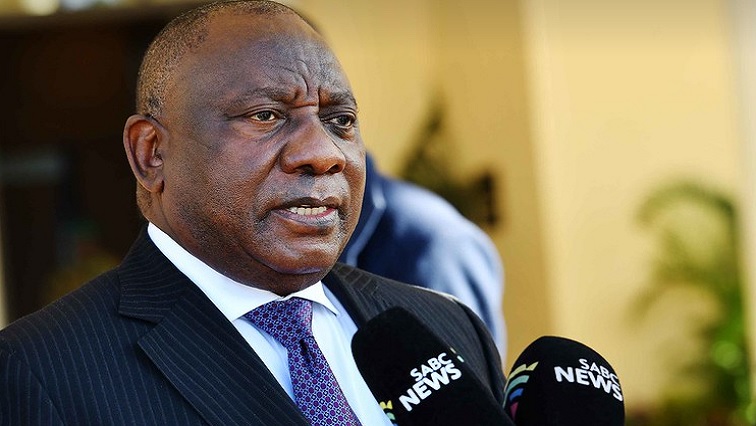
‘We respect the courts’: Ramaphosa’s Phala Phala fight deepens political divide
President Cyril Ramaphosa may have hoped his firm refusal to resign would project strength but his decision to challenge the Section 89 Phala Phala report in court has instead exposed deep political divisions across South Africa’s opposition benches.
Just hours after Ramaphosa addressed the nation on Monday night, political parties began staking out sharply different positions on what should happen next, with some backing his constitutional right to seek judicial review and others accusing him of trying to delay accountability.
At the centre of the storm is the fallout from last week’s ruling by the Constitutional Court of South Africa, which found Parliament acted unlawfully when it blocked the Phala Phala impeachment process in 2022.
Now, with Parliament preparing to establish a formal impeachment committee, Ramaphosa’s legal challenge has added a new layer of uncertainty to an already explosive political moment.
The DA: Respect the courts, but don’t delay Parliament
The Democratic Alliance has taken a measured but cautious stance.
Party leader Geordin Hill-Lewis said Ramaphosa has every right to challenge the Section 89 report in court but warned that legal action must not be used as a tactic to stall Parliament’s constitutional responsibilities.
The DA has called for Ramaphosa’s review application to be filed urgently and for Parliament to seek immediate legal clarity on whether the impeachment committee can continue its work while the court process unfolds.
The party also urged Parliament to publicly release any legal advice it receives, arguing that transparency is essential in a matter of such national importance.
Still, Hill-Lewis was blunt about the broader context, calling the crisis “ANC-made” and rooted in unanswered questions about the president’s conduct.
The EFF: No more legal delays
If the DA struck a cautious tone, the Economic Freedom Fighters came out swinging.
The party says it plans to oppose Ramaphosa’s review application directly and push for the matter to be heard urgently.
EFF spokesperson Sinawo Thambo accused the president of trying to use the courts to buy political time.
The party insists the Constitutional Court’s order requiring Parliament to revisit the Section 89 report remains binding and should proceed regardless of any separate legal challenge.
The EFF has also called on National Assembly Speaker Thoko Didiza to oppose Ramaphosa’s application, arguing that the review effectively challenges Parliament’s own constitutional oversight powers.
Rise Mzansi: Legal, but not ideal
Rise Mzansi has acknowledged Ramaphosa’s constitutional right to seek judicial review, but says it would have preferred the matter to proceed through Parliament.
Leader Songezo Zibi described impeachment as a necessary fact-finding process that would allow South Africans to understand what really happened at Phala Phala.
While accepting Ramaphosa’s legal choice, Zibi warned that the court route may delay public accountability and leave important political questions unanswered.
ActionSA: Litigation cannot shield accountability
ActionSA has taken one of the firmest positions against the president.
National spokesperson Lerato Ngobeni said Ramaphosa cannot use court proceedings as protection from political scrutiny.
The party plans to formally write to Parliament demanding that the impeachment committee be established without delay, regardless of the president’s review application.
ActionSA argues that South Africans deserve full transparency about the millions of dollars stolen from Phala Phala, how the burglary was handled, and whether the president’s conduct breached constitutional standards.
Analysts warn of delays and public trust damage
Political analysts say Ramaphosa’s legal strategy was widely expected but could drag the process out significantly.
Independent analyst Goodenough Mashego said challenging the Section 89 report could effectively pause impeachment proceedings, since the report forms the foundation of the parliamentary inquiry.
He described the move as “kicking the can down the road,” adding that even if Ramaphosa loses this review, further appeals may still be possible.
Another analyst, Solly Rashilo, was more critical, arguing that Ramaphosa’s refusal to resign reflects political self-preservation over constitutional accountability.
He warned that the ongoing scandal risks paralysing governance at a time when South Africa is facing urgent economic and social pressures.
A presidency under pressure and a nation watching
Beyond the courtroom and Parliament, public reaction remains deeply divided.
Some South Africans see Ramaphosa’s decision to fight as a legitimate defence of due process and constitutional rights.
Others believe the president’s continued resistance is eroding trust in both his leadership and the ANC’s long-standing promises of accountability.
For many voters, Phala Phala has become about more than stolen cash or legal technicalities. It has become a test of whether South Africa’s institutions can hold even the most powerful leaders accountable.
As Parliament prepares to reopen the impeachment process, one thing is becoming increasingly clear: Ramaphosa’s political survival may now depend as much on legal strategy as on public confidence.
{Source: IOL}
Follow Joburg ETC on Facebook, Twitter , TikTok and Instagram
For more News in Johannesburg, visit joburgetc.com