News
EFF attacks Ramaphosa over Phala Phala court review as impeachment pressure grows
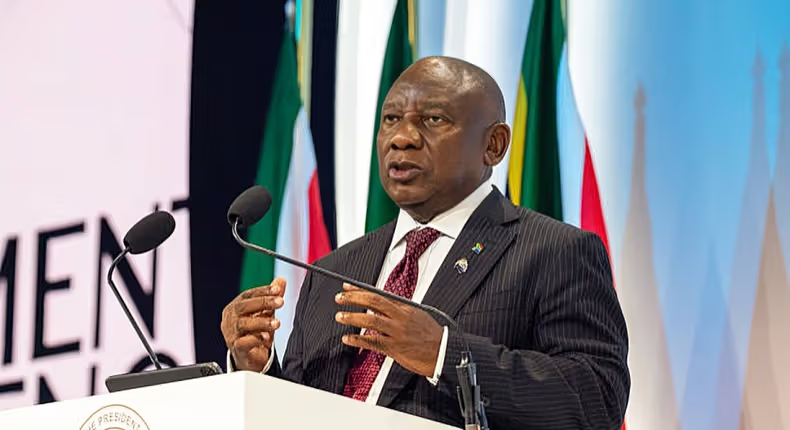
EFF accuses Ramaphosa of hiding behind courts as Phala Phala battle escalates
President Cyril Ramaphosa’s decision to fight the Phala Phala Section 89 report in court instead of stepping aside has opened another fierce political fault line and the EFF is leading the charge.
Just days after the Constitutional Court reignited the impeachment process linked to the controversial Phala Phala scandal, the Economic Freedom Fighters accused Ramaphosa of using the legal system as a political shield to protect his presidency.
The party says the president is not defending constitutional principles, but buying time.
Ramaphosa refuses to resign
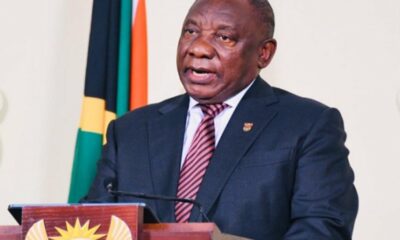
In a nationally televised address on Monday night, Ramaphosa struck a defiant tone as pressure mounted from opposition parties demanding accountability over the 2020 theft of foreign currency from his Limpopo game farm.
The president insisted he had done nothing criminal and rejected growing calls for his resignation.
“I will not resign,” Ramaphosa said, arguing that stepping down before the parliamentary and legal processes are completed would amount to admitting guilt.
He also confirmed that his legal team would challenge the Section 89 Independent Panel Report through judicial review, claiming the report contained legal flaws and unsupported conclusions.
The panel had previously found that there may be prima facie evidence that Ramaphosa violated the Constitution and his oath of office.
Why Phala Phala refuses to disappear
The Phala Phala controversy first exploded into public view in 2022 when former intelligence chief Arthur Fraser accused Ramaphosa of concealing the theft of millions of US dollars allegedly hidden inside furniture at his farm.
Ramaphosa has consistently maintained that the money came from the legal sale of game animals and denied any wrongdoing.
Although Parliament initially blocked impeachment proceedings in 2022 using the ANC’s majority, last week’s Constitutional Court ruling dramatically shifted the political landscape again.
The court found that Parliament acted irrationally and unconstitutionally when it halted the impeachment process, effectively reopening the door for a full parliamentary inquiry.
For many South Africans, the scandal has become symbolic of a bigger frustration: the perception that political leaders are rarely held fully accountable, regardless of which party they belong to.
EFF says review is a delay tactic
The EFF reacted fiercely to Ramaphosa’s latest move, accusing him of reviving the review application only because the political climate had changed against him.
The party argued that Ramaphosa abandoned the same court challenge years ago when the ANC successfully shut down the impeachment process in Parliament.
Now that the Constitutional Court has revived the matter, the EFF claims the president is returning to the courts to delay the inevitable.
EFF spokesperson Sinawo Thambo described the move as “opportunistic” and accused Ramaphosa of prioritising political survival over transparency.
According to the party, legal proceedings should not interfere with Parliament’s constitutional obligation to proceed with impeachment processes.
Parliament under pressure again
The spotlight is now turning toward National Assembly Speaker Thoko Didiza, who confirmed that Parliament will establish an impeachment committee following the Constitutional Court ruling.
Opposition parties want the process to move quickly and publicly.
The EFF has already indicated it plans to oppose Ramaphosa’s review application in court and push for an urgent hearing to avoid what it calls “endless legal delays”.
Political analysts say the next few weeks could become one of the biggest tests of Ramaphosa’s presidency since he took office in 2018.
ANC unity facing another strain
Inside the ANC, the matter is creating fresh political tension.
Ramaphosa still enjoys strong backing from sections of the party leadership, but the scandal continues to expose deeper divisions about accountability, succession battles and the future direction of the ANC ahead of local government elections.
On social media, reactions to the president’s speech were sharply divided.
Some defended Ramaphosa’s right to challenge the report in court, arguing that due legal process must be respected.
Others accused him of using legal technicalities to avoid political accountability while ordinary South Africans face harsh consequences for far smaller offences.
Bigger than just one scandal
Beyond the courtroom battle and parliamentary drama, analysts say the Phala Phala saga is increasingly becoming a referendum on public trust in democratic institutions.
South Africans are now watching not only what happens to Ramaphosa, but whether Parliament, the courts and political parties can handle the matter transparently and independently.
For the EFF, the message is clear: the president should step aside.
For Ramaphosa, the fight is far from over.
And for the country, the political uncertainty surrounding Phala Phala appears nowhere near its end.
{Source: The Citizen}
Follow Joburg ETC on Facebook, Twitter , TikTok and Instagram
For more News in Johannesburg, visit joburgetc.com