News
Social media fuelling dangerous speeding culture, experts warn
Social media fuelling dangerous speeding culture, experts warn
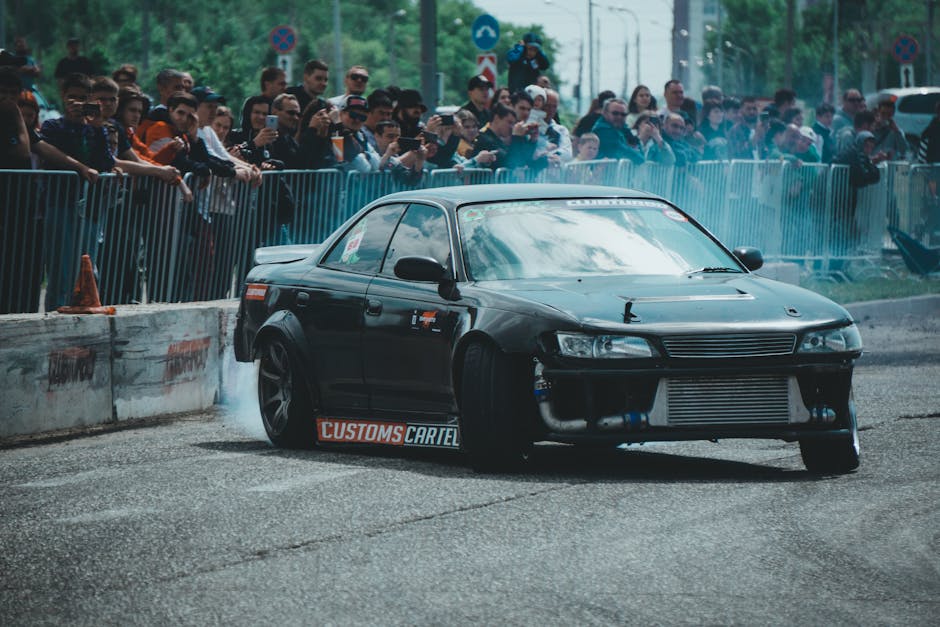
Social media content and the pursuit of online popularity are being blamed for a rise in reckless speeding and illegal street racing in South Africa, according to criminal law and road-safety experts.
Likes and popularity driving risky behaviour
Cornelia van Graan, a criminal law expert, said social media has made “delinquent behaviour” more popular because it is driven by “the need for likes and popularity.” She was commenting after a content creator posted videos of himself speeding and driving recklessly in Kruger National Park.
Van Graan said becoming a “social influencer” is a “legitimate career choice” and that popular videos can generate a sizeable income. She warned that such conduct “cannot be condoned and must be prosecuted,” noting that deterrence is one of the purposes of punishment.
Tragedy linked to illegal racing
Her remarks coincided with a memorial at the AGS Herlewingsentrum in Pretoria for Phillip Bezuidenhout, 25, who died as a passenger in a vehicle involved in an accident during an illegal street race in Pretoria on 3 May. Bezuidenhout’s mother said her son did not like speed or fast cars and called for illegal street racing to stop.
Calls for safer alternatives and tougher enforcement
Bobby Ramagwede, CEO of the Automobile Association of South Africa (AA), urged those with an adrenaline “need for speed” to use racetracks rather than public roads. He pointed to motor-sport venues such as Killarney in Cape Town, which he said stage drag nights on the main straight and provide a “controlled environment.” He added that speeders and hooligans in national parks are not condoned.
Martlé Keyter, operations chief executive at the Motor Industry Staff Association (Misa), appealed to the public to stop supporting illegal street racing by attending as spectators. She said Steve Biko Road in Pretoria has been notorious for illegal street races on Sunday nights for decades despite weekly patrols, and that those who support the events should be called out.
Wider problems with rule compliance
Prof Witness Maluleka, head of the Department of Criminology and Criminal Justice at the University of Limpopo, said road rules are rarely obeyed in South Africa and suggested this can be generalised to the wider driver population.
Ally Makhafula, DA Tshwane spokesperson on community safety, called on the Tshwane Metro Police Department to act against the illegal street racing, saying it is “illegal and dangerous in nature and poses threats to the lives and safety of innocent residents and motorists.” He said the specific street racing has been reported many times to the TMPD and warned that if it continues unabated, more lives will be lost.
Speed and road deaths
The article cites an estimate that 40% of the more than 21,000 deaths annually on South African roads are related to speed.
Prominent victims
The piece notes that at least 12 prominent government ministers, deputy ministers and provincial MECs have died in car crashes on the country’s roads since 2008, and lists named examples whose deaths were reported: Bavelile Hlongwa (2019), Collins Chabane (2015) and Molefi Sefularo (2010). In Chabane’s crash, reconstruction specialists and police investigators estimated his vehicle was travelling at close to 200km/h in a 120km/h zone when it struck a truck doing an illegal U-turn on the N1; the impact left no brake marks and the driver was flung from the vehicle.
Law enforcement and public safety urged
Across the comments in the article, experts and spokespeople urged prosecution for reckless driving, stronger enforcement against illegal street racing, and use of racetracks for high-speed activities to reduce risk to the public.
Follow Joburg ETC on Facebook, Twitter, TikTok and Instagram
For more News in Johannesburg, visit joburgetc.com
Source: citizen.co.za