News
Porous borders and rising costs hamper South Africa’s deportation drive
Protests, arrests and heavy repatriation costs highlight limits of South Africa’s deportation effort as officials launch a new ETA digital system.
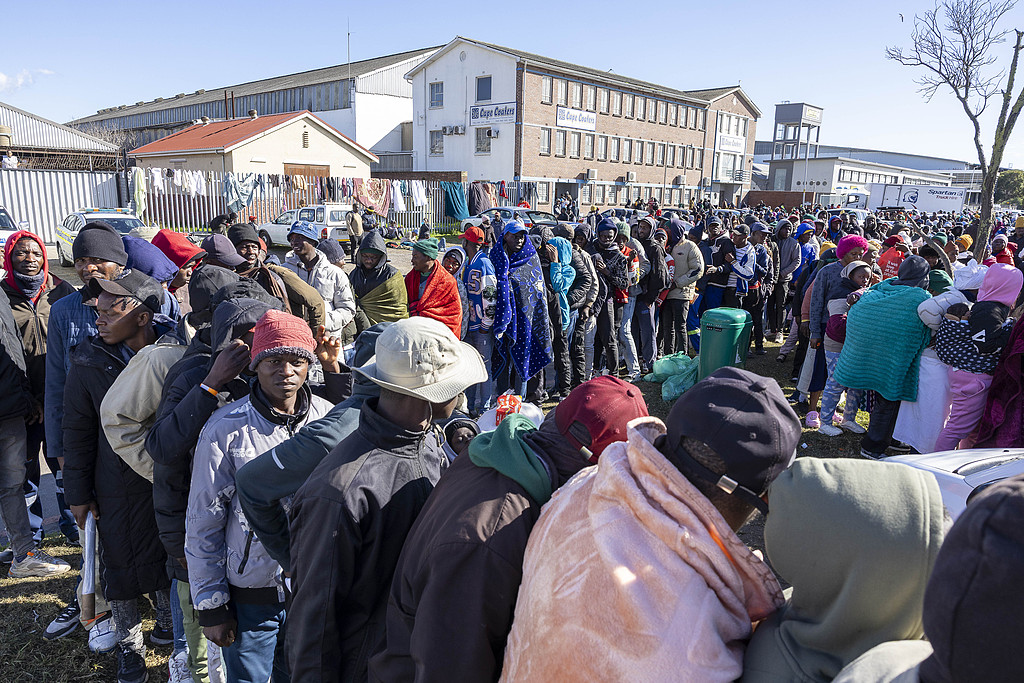
South Africa’s push to deport undocumented migrants is facing practical and financial limits, officials and political figures told Parliament and the public on 14 August 2026. Protests, recent arrests and extensive repatriation costs have exposed gaps in border control and internal enforcement that critics say allow deported people to return.
Protests and arrests underline local tensions
On 13 August 2026, a March and March protest took place in Pretoria West when demonstrators marched to Hercules police station to call for action regarding undocumented immigrants living near the Gomora informal settlement.
At the same time, the Tshwane Metro Police Department arrested 48 undocumented foreign nationals during bylaw enforcement operations carried out in Pretoria North, Centurion, Sinoville and Cullinan.
New electronic system flags thousands of fraudulent visa attempts
President Cyril Ramaphosa launched South Africa’s Electronic Travel Authorisation (ETA) at OR Tambo International Airport in Johannesburg. The digital platform has, according to officials, rejected 6 126 fraudulent applications and processed 216 000 applications.
Political and operational limits on securing the border
Political expert Piet Croucamp said South Africa lacks the political will and resources to build a border wall like the United States. He said,
“There’s a stigma to a wall. We certainly won’t build a wall, but we might use the private sector to patrol parts of the border with drones. However, we have about 3 700km of direct border, not even adding Swaziland or Lesotho. But it’s not possible. We don’t have the capital or resources to control the people moving from the north to South Africa,”
Croucamp added that controlling movement inside South Africa would help and warned that
“There are already foreigners who left a couple of months ago and made it back again. They know the ropes and how to get in, the right people to bribe and where the weakness is in the border patrol system,”
illustrating concerns that porous borders can undermine deportation efforts.
Repatriation costs prompt calls for shared burden
The Portfolio Committee on Home Affairs urged the Department of Home Affairs and the Department of International Relations and Cooperation to intensify consultations with countries receiving deported nationals so that repatriation costs are shared.
Committee members were told the department incurred R292 million in costs linked to repatriation and deportation. The recorded expenses include R203.50 million for buses, R48 million to set up a temporary repatriation centre in Musina, and R4 million in overtime pay for officials involved in the process.
Chair of the portfolio committee on home affairs Mosa Chabane said the financial burden should not fall on the department alone. He also raised concerns about the Border Management Authority’s funding, saying the authority was unable to pay for basic border-management items. In his words, the continued underfunding is a concern, and the authority
cannot fund the most basic operational activities, including buying batteries for the drones they utilise to monitor activities at the ports of entry and along the border fence,”
Repatriation figures and regional returns
The article notes that the Malawi government has facilitated the return of 56 723 Malawians, showing large-scale movement and repatriation activity between the two countries.
What this means
The combination of public protests, concentrated law-enforcement operations, a newly launched ETA system and heavy logistical costs highlights the practical limits of deportation as policy when borders remain difficult to secure and enforcement resources are constrained.
Follow Joburg ETC on Facebook, Twitter, TikTok and Instagram
For more News in Johannesburg, visit joburgetc.com
Source: citizen.co.za