News
Why separation of powers still protects South Africa’s democracy
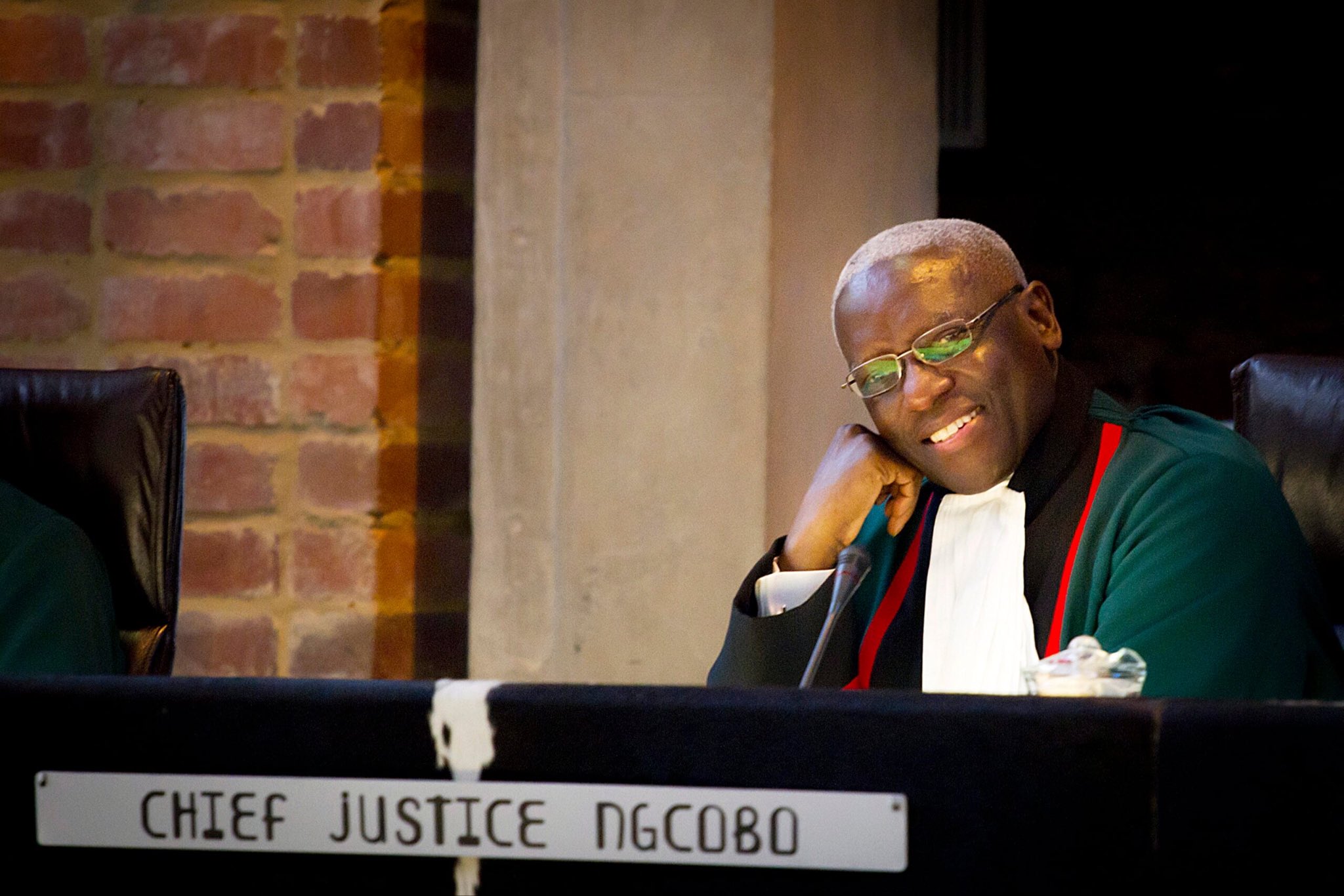
Why South Africans are suddenly hearing legal jargon
Reports in Business Day and the Sunday Times say President Cyril Ramaphosa is considering an urgent interdict to halt Parliament’s impeachment inquiry while a judicial review of the Section 89 panel report proceeds. For many citizens, terms like interim interdict, judicial review, irreparable harm and separation of powers have moved from legal textbooks into everyday conversation.
Why these legal concepts matter
Those principles are more than technicalities. They are core safeguards in South Africa’s constitutional democracy, designed to manage conflict between powerful institutions without collapsing into instability. The country’s constitutional architecture deliberately builds in friction: Parliament exercises oversight, the executive governs, and the judiciary interprets the Constitution. Each institution has distinct powers, responsibilities and limits.
Lessons from a different courtroom fight
The same legal thresholds that govern a possible interdict against Parliament also applied when GovChat approached the Competition Tribunal seeking interim relief against Meta. On the surface, the two matters are very different one a civic technology platform versus a global company, the other the President versus Parliament but they intersect at the point where urgent court intervention is sought.
To obtain interim relief before a South African court or tribunal, an applicant must meet several demanding requirements. These are not procedural hoops; they are constitutional protections that shape when and how judges should step in.
The four interim-relief tests
- Prima facie right: show a credible and arguable legal right that deserves protection pending final adjudication.
- Irreparable harm: demonstrate that, absent immediate intervention, harm may occur that cannot adequately be remedied later.
- Balance of convenience: weigh competing harms and decide which outcome would create greater prejudice.
- Adequate alternative remedy: show that no other legal remedy can adequately address the dispute.
Judicial restraint and constitutional respect
South African courts are cautious about intruding on the constitutional functions of other branches. That caution reflects judicial respect for the separation of powers doctrine. It is not a mere procedural inconvenience: it is a foundational protection that prevents any one institution from accumulating unchecked authority.
Courts recognise that Parliament has responsibilities that belong to Parliament alone, and that judicial independence must be preserved to ensure impartial interpretation and protection of constitutional rights. At the same time, Parliament must be free to conduct lawful oversight without undue judicial intrusion.
Institutions not individuals sustain democracy
Experience in the GovChat–Meta matter reinforced the point that institutions matter: independent courts, independent regulators, constitutional oversight and procedural fairness are essential. Equally important is constitutional restraint institutions operating within their lawful boundaries protect both accountability and legitimacy.
“Our democracy does not rely on individuals alone. It relies on institutions capable of operating independently, lawfully, and consistently under pressure.”
That resilience is why South Africa’s constitutional framework continues to be respected globally, even as the country faces significant challenges. The Constitution was designed not only for moments of unity and calm, but for disagreement, uncertainty and contestation moments when institutional integrity matters most.
What this moment should remind South Africans
As the debate about an interdict and judicial review plays out, citizens should recognise that lawful mechanisms for accountability, review and oversight are signs of democratic strength rather than weakness. The separation of powers helps manage institutional tension peacefully and transparently, ensuring that disputes of political, commercial or societal consequence are resolved through institutions rather than instability.
Prof. Eldrid Jordaan is the founder of GovChat and reflects on these principles from direct experience in interim proceedings before the Competition Tribunal.
Follow Joburg ETC on Facebook, Twitter, TikTok and Instagram
For more News in Johannesburg, visit joburgetc.com
Source: iol.co.za