Opinion
When faith is weaponised: the human cost of unchecked religious authority
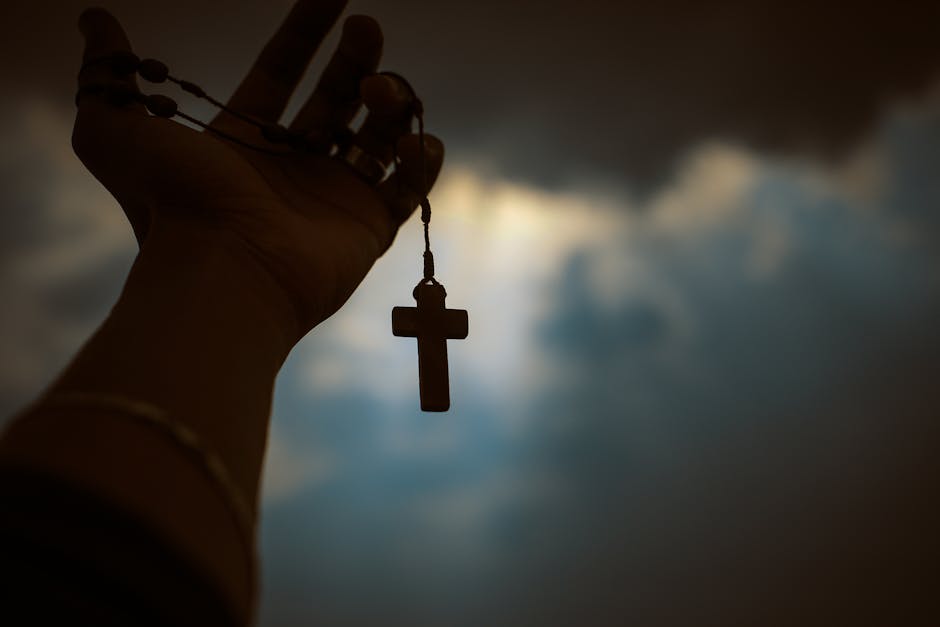
Religious authority can inspire and sustain communities. But when it goes unchecked, the CRL Rights Commission says faith is being used to justify extreme physical, medical and financial abuse that strips people of dignity and basic rights.
What the commission uncovered
The CRL Rights Commission reported instances in which spiritual leaders coerced followers into degrading or dangerous acts framed as tests of faith. Examples cited include forcing people to eat grass, drink petrol or be doused with insecticide, and instructing believers to stop taking essential chronic medications in favour of spiritual remedies such as “holy water” or “anointing oil”.
Medical neglect and children’s welfare
The commission highlighted a broader public-health concern where followers were told to abandon prescribed medicines, with spiritual remedies promoted as substitutes. In the most severe cases, children were denied routine healthcare and immunisations because families substituted spiritual treatments for ordinary medical care.
That denial of services prompted state intervention at one unregistered mission. Officials removed 19 children into protective care after finding minors kept out of school in unsafe conditions and took steps to restore their access to education and social grants.
Physical and sexual abuse justified through faith
The commission identified cases in which sexual and physical violence were carried out under spiritual pretexts. Some victims were told they must have sexual relations with a practitioner to be healed or to gain status as a traditional healer. Physical abuse was sometimes framed as a necessary act to “take out demons.”
“And those become very difficult when it comes to reporting at the police station because the victims do not see themselves as a victim,” said the CRL’s chairperson, Thoko Mkhwanazi-Xaluva.
Financial exploitation and total isolation
Beyond physical and medical harms, the commission reported systematic financial exploitation. Tactics included pressuring congregants to resign jobs, sell possessions and hand over life savings, and requiring submission of official pay slips to verify tithe payments.
Two case studies in the commission’s findings illustrate this pattern. In 2018, a church taken over by a group calling itself “the seven angels” saw members give life savings and belongings; the leaders reportedly spent funds on expensive German cars. Although money had been kept in boxes or cupboards, a subsequent police raid found no cash on the premises.
A recent compound and the rhetoric of divine registration
Another instance involved an unregistered mission at the Dabangu site led by Reverend Vusumuzi Sibiya. The Reverend claimed the church was “registered in heaven” and promoted an anti-modern doctrine that persuaded roughly 53 members to sever ties with past lives. The commission reported that adults voluntarily quit jobs and abandoned chronic medical treatments in favour of prayer; Reverend Sibiya defended this stance through claims of “divine healing.”
Where constitutional protections fit
The commission emphasised that these harmful practices do not represent the freedoms protected under Section 31 of the Constitution, which allows communities to practise faith and culture together. Instead, it warned, spiritual authority can be weaponised to shield perpetrators and to avoid accountability for abuses that violate those freedoms.
Patterns and enforcement
The instances documented by the commission span physical degradation, medical coercion, sexual and physical violence, and aggressive financial extortion. In some cases, children were denied schooling and social services, providing concrete legal avenues for state intervention even where adult adherents acted voluntarily.
The commission’s findings underline the urgent need for mechanisms that protect vulnerable people from exploitation carried out in the name of faith while preserving genuine freedom of religion.
Follow Joburg ETC on Facebook, Twitter, TikTok and Instagram
For more News in Johannesburg, visit joburgetc.com
Source: citizen.co.za