Business
Government proposes 60-day petroleum reserve to close South Africa’s supply gap
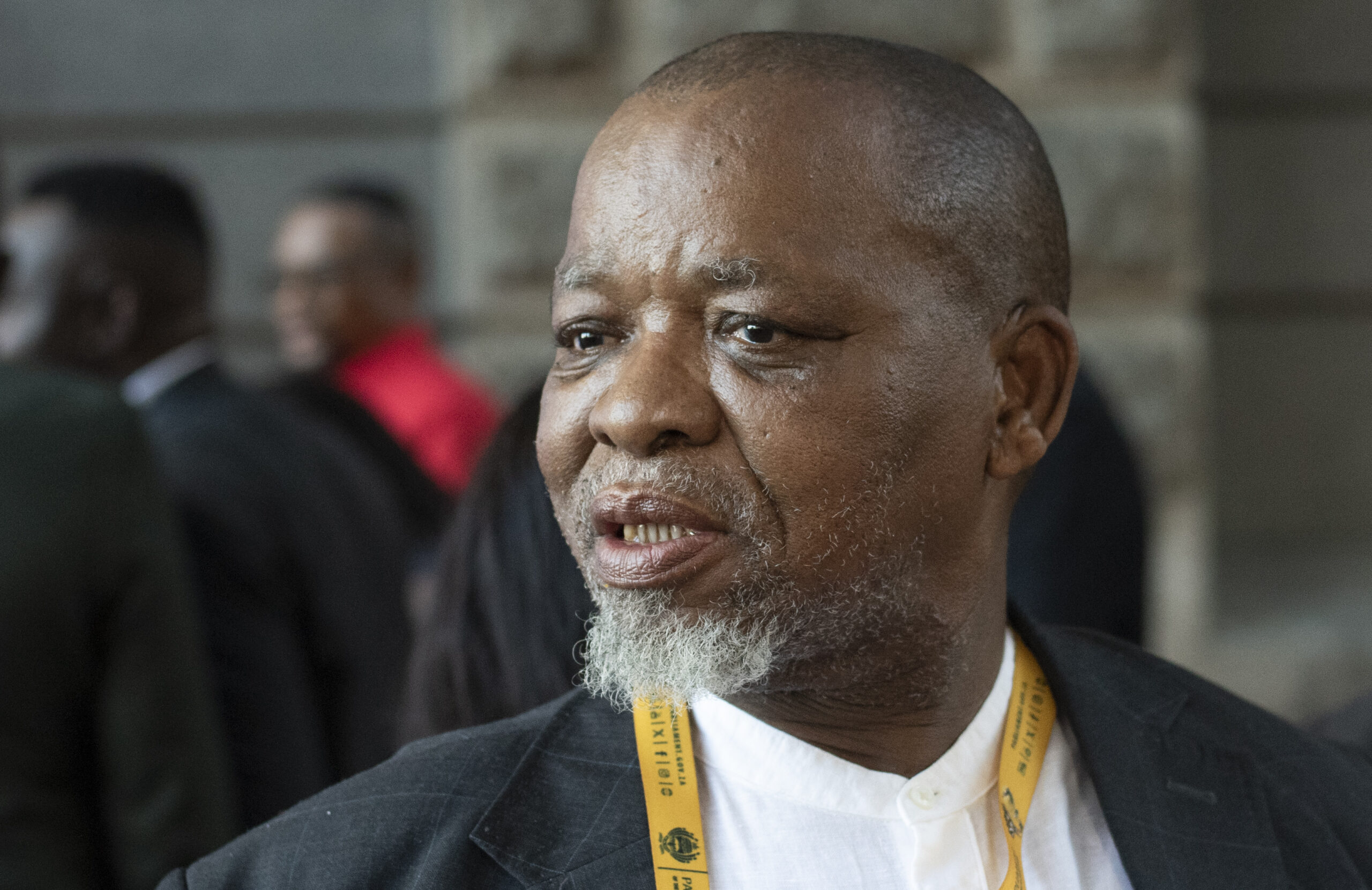
South Africa’s government has outlined a plan for a 60-day strategic petroleum reserve, a draft policy that would see the South African National Petroleum Company maintain stocks equivalent to 60 days of net imports of crude oil and refined products.
Policy announcement and context
The announcement was made by Mineral and Petroleum Resources Minister Gwede Mantashe at the Fuels Industry Association of South Africa Annual Imbizo in Sandton on 10 June 2026. The draft Strategic Petroleum Stocks Policy is due to be submitted to Cabinet.
What the draft policy proposes
The draft proposes a mixed stockholding model with the state-owned South African National Petroleum Company as the primary entity responsible for maintaining the reserves. The draft does not set out key implementation details.
- There is no published funding mechanism in the draft.
- The draft does not confirm the split between crude oil and refined product holdings.
- There is no indication yet whether private fuel companies will carry any portion of the stockholding obligation.
Why a larger reserve is being proposed
The announcement follows a string of disruptions that exposed weaknesses in South Africa’s supply chain. In July 2022, Sasol declared force majeure on refined product deliveries after delays in crude shipments forced the Natref refinery in Sasolburg to halt, at a time when every conventional oil refinery in the country was effectively out of service.
In early 2026, an unplanned Natref shutdown forced the industry to reroute jet fuel supplies through Mozambique’s Matola terminal, a workaround that required a special temporary customs licence and took nearly three weeks to implement. During that period, jet fuel stocks at OR Tambo International Airport dropped to levels described in the source as genuinely alarming.
The Middle East crisis of early 2026 further disrupted tanker routes after Iranian strikes on Gulf oil infrastructure effectively closed the Strait of Hormuz. At the same time, the Astron Energy refinery in Cape Town was offline for scheduled maintenance, leaving Saldanha Bay crude unprocessed because the pipeline to Astron was the only viable route and the refinery was not running.
Standards and comparisons
The International Energy Agency requires member states to hold emergency oil stocks equivalent to at least 90 days of net imports. The draft 60-day proposal does not match that benchmark but is presented in the source as a step toward a credible minimum.
- Japan reportedly holds reserves of 200 days.
- South Korea reportedly holds reserves of 208 days.
- European nations typically maintain between 100 and 200 days.
- Australia was noted as holding 49 days and actively working to close the gap.
Historic governance issues
The source recalls a governance failure in 2015, when the Strategic Fuel Fund illegally sold 10.3 million barrelsdescribed as the entire national stock to oil traders at below-market prices. The High Court returned the stocks to the fund in 2020.
Broader energy strategy
The draft policy sits alongside other measures Mantashe outlined at the imbizo, including regulations for the Upstream Petroleum Resources Development Act that are ready for publication to create a dedicated regulatory framework for the upstream petroleum sector.
The source notes that a coherent approach would pair strategic stockbuilding with development of domestic production and refining capacity, and points to a 2024 study commissioned by the Department of Mineral and Petroleum Resources that identified strengthening stockholding arrangements and increasing domestic refining capacity as priorities.
Scale of exposure
The source states that South Africa imports approximately 90% of its crude oil and petroleum products, highlighting the country’s exposure to global market and supply chain disruptions.
Minister’s words
“South Africa cannot indefinitely remain a price taker in global energy markets.”
The draft 60-day reserve policy, while not yet detailed, was presented in the source as an institutional acknowledgement that building reserves is a necessary step toward reducing vulnerability to external shocks.
Follow Joburg ETC on Facebook, Twitter, TikTok and Instagram
For more News in Johannesburg, visit joburgetc.com
Source: iol.co.za