Business
Cashless taxis: Pilots aim to create audit trail and improve tax compliance
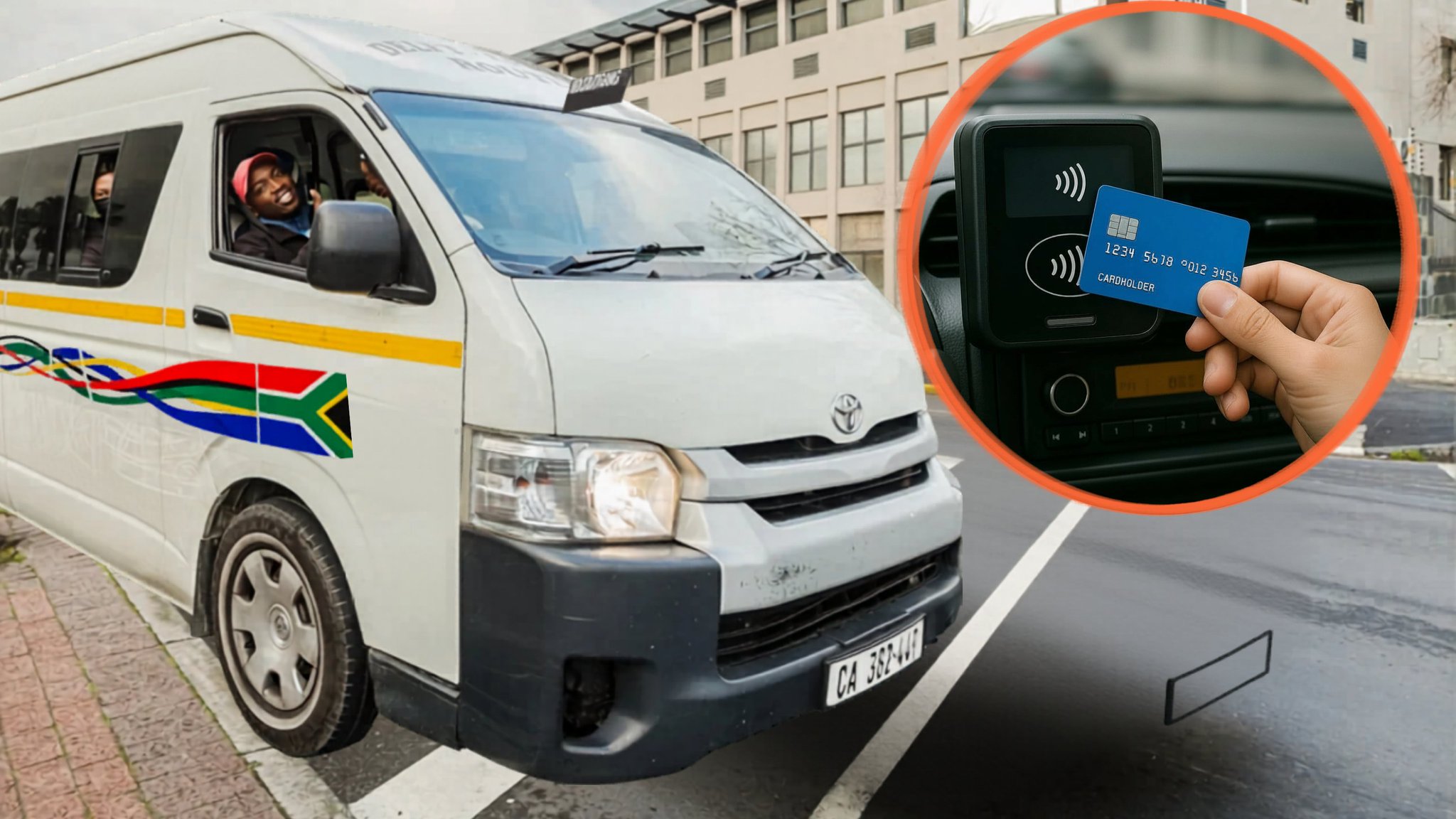
Cashless payment pilots in South Africa’s minibus taxi sector are being heralded as a way to generate reliable financial records that could improve tax compliance, access to finance and worker protections, industry and taxation experts say.
What the pilots do
Codeta, a major taxi association in the Western Cape, launched a project in June 2026 that pilots the SAPay cashless payment system on initial routes in Khayelitsha, Killarney and Mfuleni. The system allows commuters to pay with free reloadable smart cards or via the SAPay app.
Codeta secretary general Mzwabantu Fayindlala said SAPay has an offline mode enabling payment collection even when the driver’s phone is not connected to the internet. He added that passengers using the app can self-scan QR codes, while SAPay card and bank card transactions take seconds, making the process faster than handling cash.
Fayindlala also said the system’s network operates nationally with major retailers for top-ups, including Shoprite and Boxer, and that it “facilitates fuel payments from daily earnings and features a customisable payment structure designed for various business models to enhance collaboration between operators and drivers.”
Data, cameras and privacy
As part of the pilot, Codeta is using in-vehicle cameras for people-counting. Fayindlala explained the cameras “are not recording videos, but still images. These are only still images set at specific intervals and only for people counting purposes. There is no surveillance monitoring and not in breach of POPIA as no personal details are linked to cameras. The cameras only count the number of commuters in the taxi, which will be used as a revenue reconciliation instrument. Data is stored in the cloud.”
Implications for tax and regulation
A taxation expert, Nqobani Mzizi, said digital records from cashless payments do not automatically prove historic tax evasion but instead create “an auditable trail that SARS can use, together with banking records, lifestyle indicators and other third-party data, to assess whether declared income is consistent with actual economic activity.”
Mzizi described the introduction of cashless payments as an important step towards transparency, accountability, and modernisation. He said reliable data on routes, passenger volumes and revenue could support claims for properly designed subsidies, provided there are “proper controls, licences, governance arrangements and audit mechanisms.”
He also noted the system does not automatically create an employer-employee relationship, but where drivers are in substance employees, owners may have PAYE and UIF obligations. Mzizi suggested that SARS consider a dedicated public transport compliance unit to educate, simplify adoption and support a shift away from cash-based opacity.
Industry response and next steps
Ashley October, secretary general of Santaco Western Cape, welcomed innovation and urged careful piloting. He said outcomes such as user adoption, affordability, system reliability, data security, commuter acceptance and operational impact “will inform future discussions at provincial and national levels.”
October said digitisation could “create reliable financial records, which can improve access to vehicle finance, insurance products, business funding, and housing opportunities for operators and drivers.” He added the taxi council will continue engaging with government departments and regulators to ensure any transition is “fair, practical, and appropriately supported.”
Isaac Sileku, Western Cape MEC for the Department of Mobility, said the pilot will be closely monitored as a practical step towards a safer and more efficient public transport system and acknowledged that passengers and drivers may need time to adjust during busy travel periods.
Concessions and affordability
Codeta has introduced discounted fares for scholars, pensioners and residents travelling to hospitals or clinics. These groups receive a R10 discount, intended to make travel more affordable for frequent or medically necessary trips.
What the pilots aim to achieve
- Generate auditable digital records of fares and passenger volumes.
- Improve access to finance, insurance and housing for operators and drivers.
- Streamline payments and reduce reliance on cash.
- Provide data that could inform subsidy design and regulatory decisions.
Codeta operates about 52 routes in the Western Cape and is among several taxi industry projects testing cashless payments nationally.
Follow Joburg ETC on Facebook, Twitter, TikTok and Instagram
For more News in Johannesburg, visit joburgetc.com
Source: iol.co.za