News
Mbeki criticises Ramaphosa’s framing of migration as South Africa’s enemy
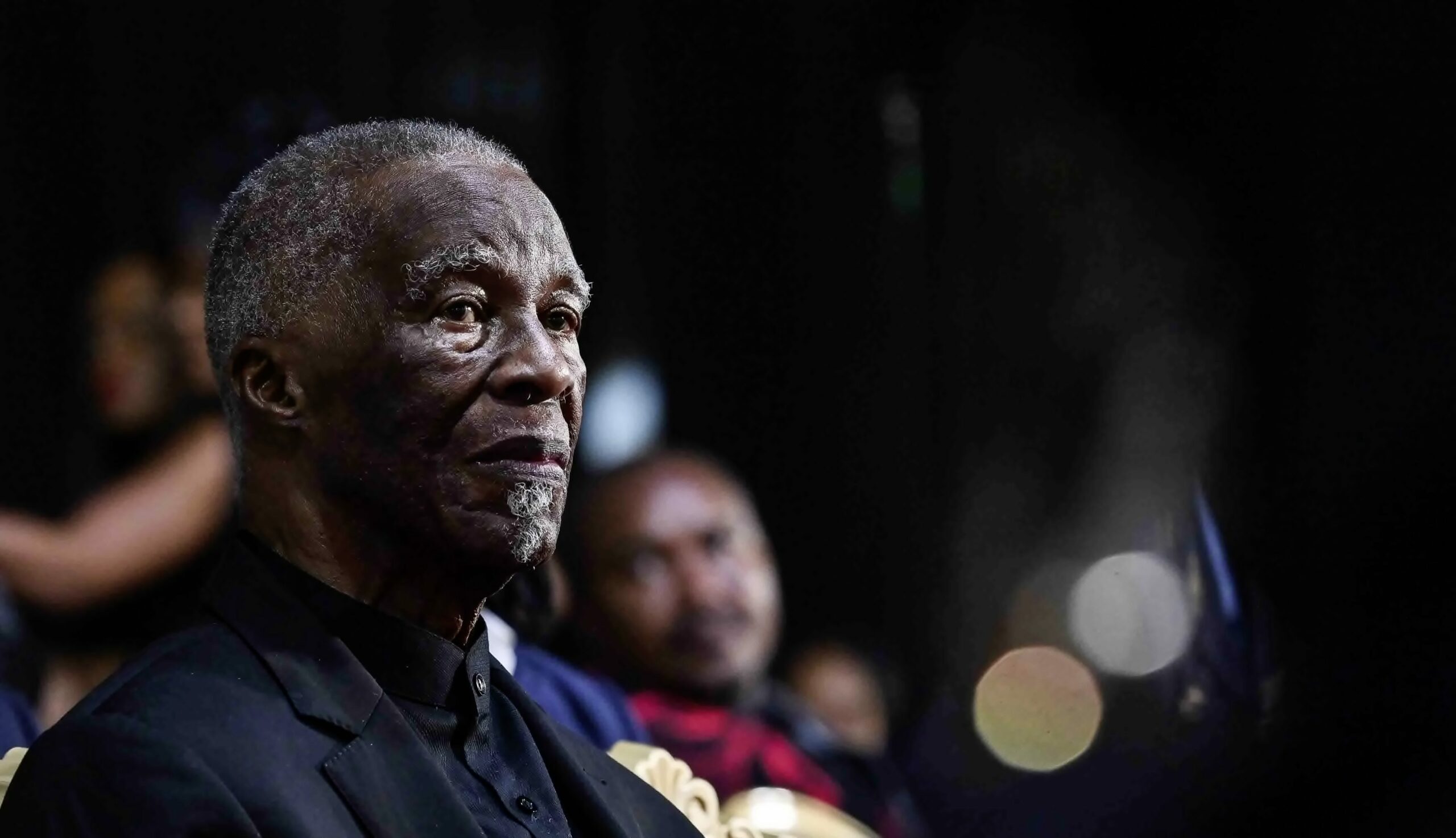
Former president Thabo Mbeki has sharply criticised President Cyril Ramaphosa for linking illegal migration to South Africa’s social and economic problems, saying the claims are speculative and undermine reasoned responses, according to a discussion document published on the Thabo Mbeki Foundation website.
What Mbeki said
Mbeki’s paper, titled South Africa’s Political and Economic Crisis: In Search of a Visible Enemy, Ghosts and African Immigrants, challenges Ramaphosa’s assertions that undocumented migrants are responsible for issues such as unemployment, crime and lack of economic growth. Mbeki said Ramaphosa had associated himself with claims that “illegal migrants” are the “cause of such phenomena in our country, such as high levels of unemployment, crime and lack of economic growth.”
He criticised the president for what he called speculative and conjectural arguments that, in his view, undermine informed responses to migration and societal concerns.
On figures and public claims
Mbeki also disputed Ramaphosa’s assertion that “almost all South Africans recognise illegal immigration is a significant challenge,” saying that “Neither President Ramaphosa nor ‘almost all the South Africans’ he cites can provide the figure we are requesting.” He said claims that undocumented migrants cause unemployment and poor service delivery must be rigorously examined.
Broader argument: foreign interests and Afrophobia
In the discussion document Mbeki warned that a perceived threat to national unity could be advanced by what he described as a “counter-revolutionary” Afrophobia agenda. He argued that weakening South Africa’s African-focused foreign policy would serve the interests of some major powers because a liberated South Africa’s interaction with the rest of Africa could spread ideas of socioeconomic transformation beyond the country.
Responses from analysts
Analyst Zamikhaya Maseti commented that while Mbeki did not acknowledge problems that began under successive ANC administrations since 1994, the former president had contributed to the intellectual debate on undocumented migrants. Maseti praised Mbeki’s paper as a timely intervention aimed at “rescuing the immigration debate from populism, defending Pan Africanism and redirecting public attention towards the structural causes of SA’s political and economic crisis.”
Maseti also cautioned that Mbeki’s approach risked an analytical error by locating many contemporary crises primarily within a counter-revolution framework, and that a more persuasive analysis would recognise responsibility across successive leadership generations.
Where Ramaphosa stands
In a recent national address referenced in the discussion, Ramaphosa condemned attacks on undocumented migrants while acknowledging public concerns about migration. He said:
“Illegal migration, if left unchecked, poses a risk to SA’s security, stability as well as our economic progress.”
Ramaphosa added that illegal migration affects service delivery and places additional burden on essential services such as health care and education, while undermining efforts to create decent work for South Africans.
The discussion document and the reactions it prompted were published on 30 June 2026.
Follow Joburg ETC on Facebook, Twitter, TikTok and Instagram
For more News in Johannesburg, visit joburgetc.com
Source: citizen.co.za