News
Gauteng halts new number-plate rollout as legal challenge looms, motorists face uncertainty
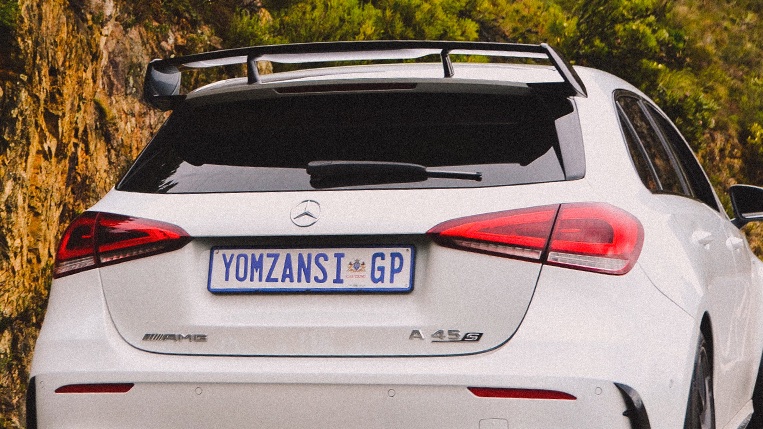
Gauteng’s plan to replace vehicle licence plates has been put on hold after pilot-stage limitations were identified and a civil rights group warned it would seek legal action while the prosecution of a so‑called number plate cartel is still pending. The pause leaves motorists, licensing centres and provincial authorities facing uncertainty over costs and timing.
What the province says
The Gauteng Department of Roads and Transport told media the project has been paused after several system limitations were identified during the pilot. Kedibone Diale‑Tlabela, the Gauteng MEC for roads and transport, reportedly said the project will only resume once the limitations have been addressed and the necessary national legislative and regulatory processes have been finalised.
Why AfriForum intervened
AfriForum said it would pursue legal action if the department proceeds with implementing the new number‑plate system while the prosecution of the so‑called number plate cartel is ongoing. AfriForum spokesperson Louis Boshoff said the project cannot continue before that prosecution has been concluded and warned that vehicle owners could be forced to pay for new plates without certainty of fair pricing.
Scope of the planned rollout
The project began in June last year when new plates were fitted to 300 provincial fleet vehicles during a pilot stage. The department had planned to expand the system to private vehicles, and Gauteng has more than five million registered vehicles that would be affected if a broader rollout proceeded.
Concerns from motoring groups and opposition
Automobile Association of South Africa CEO Bobby Ramagwede said Gauteng and South Africa do not need number‑plate reforms and suggested the department should prioritise existing mobility challenges instead. He said the consumer is under significant economic pressure.
DA Gauteng leader Solly Msimanga expressed concern about the project and highlighted broader problems tied to licence plate cloning and systemic weaknesses in the licensing system, coordination between departments and police capacity. He also raised questions about transparency around the tender for the project, costs of the pilot stage and implementation, and which parties would profit if seven million plates were manufactured.
Implications for motorists and licensing centres
With the project on hold and a legal challenge threatened, motorists in Johannesburg and across Gauteng face uncertainty over whether and when they would be required to obtain new plates and at what cost. Licensing centres may delay operational changes tied to the new system until the pilot limitations are addressed and national regulatory processes are completed, according to the department’s reported position.
What to watch next
- Whether AfriForum initiates legal proceedings against the department.
- Progress on addressing the pilot’s identified system limitations.
- Any announcements about national legislative or regulatory steps that the MEC said must be finalised before resuming the project.
This report is based on statements and reporting from the Gauteng department, AfriForum, the Automobile Association of South Africa and the DA quoted in media coverage.
Follow Joburg ETC on Facebook, Twitter, TikTok and Instagram
For more News in Johannesburg, visit joburgetc.com
Source: citizen.co.za