News
South Africa vows to keep negotiating as new US tariffs hit exports
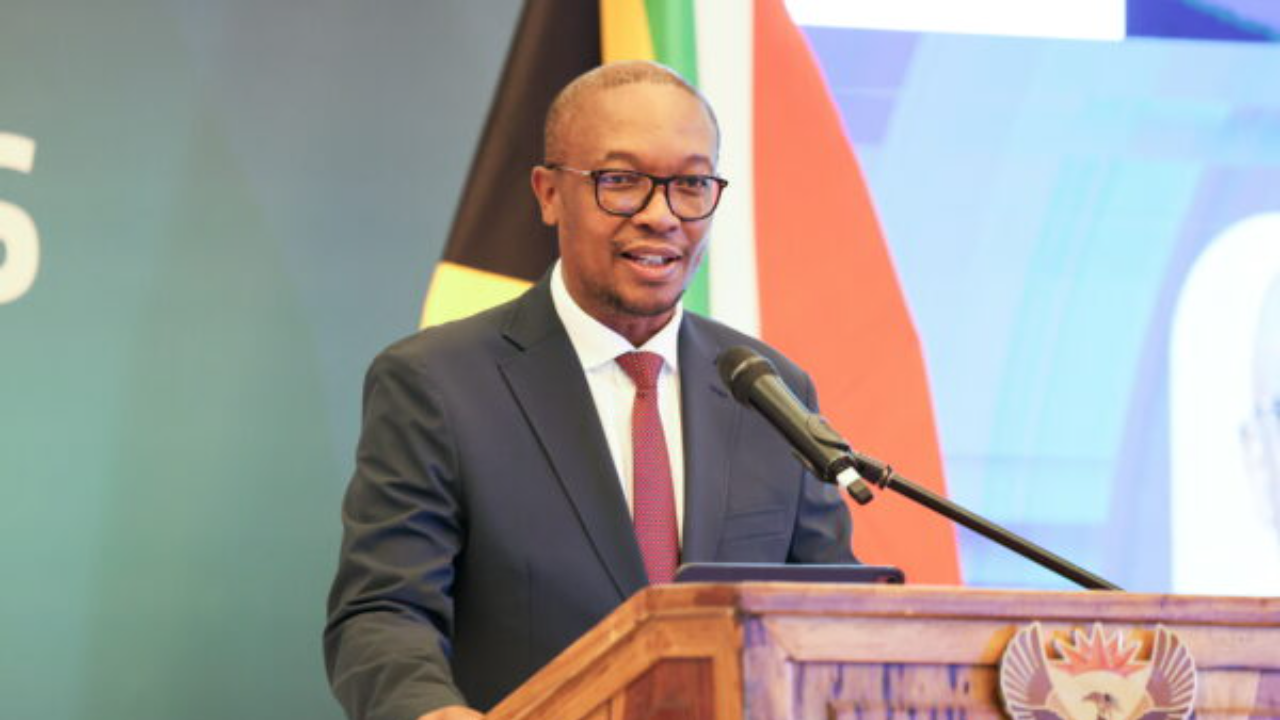
South Africa is preparing for another round of discussions with the United States after Washington imposed a 12.5% tariff on certain South African exports, a move that has raised concerns about future trade between the two countries.
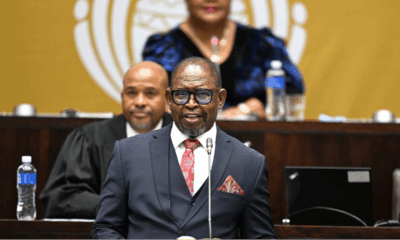
Trade, Industry and Competition Minister Parks Tau says government remains committed to finding a solution through continued engagement with US authorities, while also reassuring exporters that several key South African products will not be affected by the latest measures.
Why the tariffs were introduced
The new tariff forms part of a broader decision by the Office of the United States Trade Representative (USTR), which reviewed dozens of economies under its Section 301 investigations.
According to the USTR, South Africa is among 41 economies that do not have sufficient measures in place to prohibit or effectively enforce restrictions on goods produced using forced labour. Those economies have been assigned a 12.5% tariff.
Meanwhile, 19 economies that the US considers to have stronger legal protections against the importation of goods linked to forced labour will face a lower tariff rate of 10%.
Important exports remain protected
Despite the additional tariff, the latest US decision does not apply to every South African export.
Products already covered under separate Section 232 tariffs, including automobiles, automotive components, steel and aluminium, are excluded from the new Section 301 measures.
The USTR has also published exemption lists covering products that remain free from the new tariff. For South Africa, these exemptions include several agricultural and industrial exports that play an important role in trade with the United States.
Among the exempted products are:
- Macadamia nuts
- Oranges and limes
- Tea and spices
- Seeds
- Cane sugar
- Orange and lime juice
- Syrups
- Selected chemicals
- Critical minerals
- Platinum group and other precious metals
- Isotopes
- Civil aircraft parts and components
- Pharmaceutical products
For many South African producers, particularly those in agriculture and mining, these exemptions offer some relief despite the broader tariff announcement.
Months of engagement before the decision
The announcement follows months of discussions between South Africa and US officials.
Government, organised labour and representatives from the private sector submitted written representations to US authorities, while South African officials also participated in consultations with the USTR during May 2026.
Earlier this month, government representatives presented South Africa’s position during a public hearing before the US Section 301 Committee in an effort to argue against the proposed measures.
Although the tariff was ultimately introduced, Pretoria says diplomatic engagement remains far from over.
South Africa plans new labour regulations
As part of its response, government intends publishing a notice in the Government Gazette inviting public comment on proposed regulations that would prohibit goods produced wholly or partly through forced labour or child labour.
The planned regulations are expected to strengthen South Africa’s legal framework on ethical trade and could form part of future discussions with US trade officials.
Minister Tau said government will continue engaging with the USTR with the aim of securing either a reduction or complete removal of the tariff.
Follow Joburg ETC on Facebook, Twitter, TikTok and Instagram
For more News in Johannesburg, visit joburgetc.com