News
South Africa’s birth rate is falling as fewer women have children
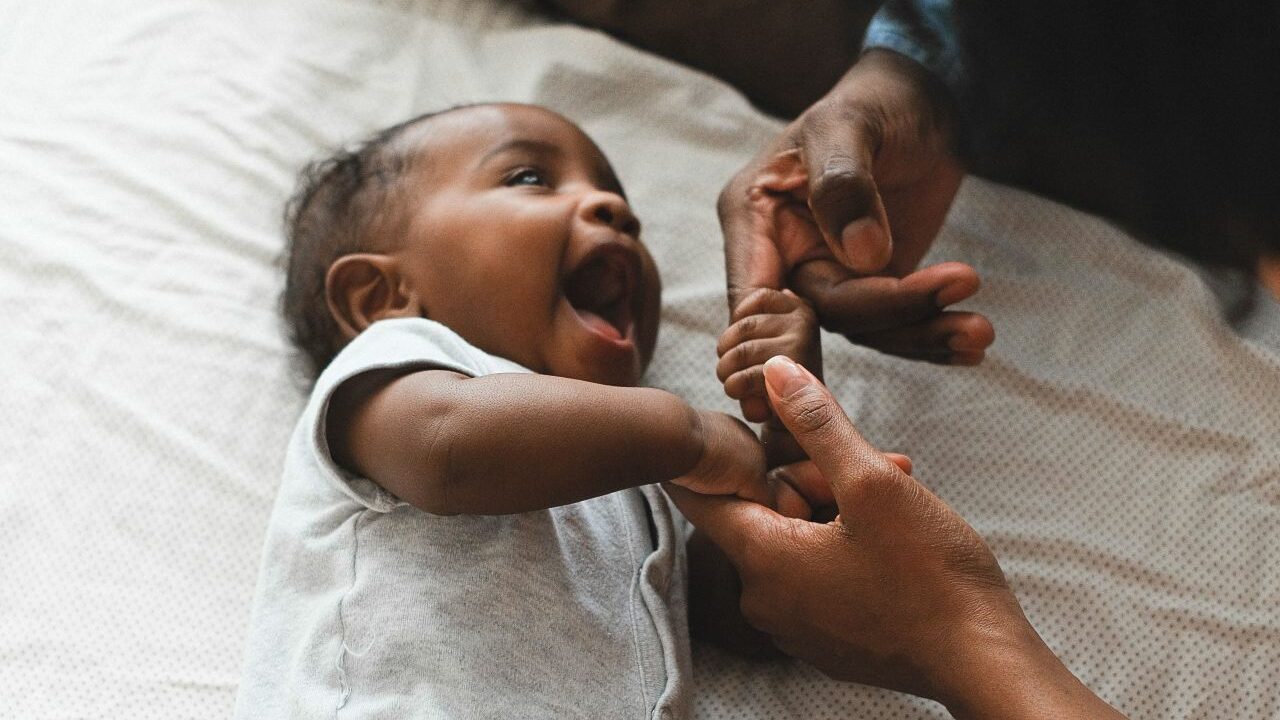
South Africa is having fewer children than it did almost two decades ago, and the change is prompting a bigger conversation about what family life looks like in 2026.
According to Statistics South Africa (Stats SA), the country’s total fertility rate has been steadily declining. The rate fell from 2.78 children per woman in 2008 to 2.21 in 2025, while the latest 2026 population estimates put the figure at about 2.12 children per woman.
The figures have also caught attention on social media.
In a recent TikTok video, South African content creator Cool Story Bru discussed the country’s declining birth rate, pointing to the financial pressures that come with raising children and asking whether South Africans can still afford the size of families previous generations had.
@coolstorybru_ South Africa’s birth rate is at an all time LOW and almost under the replacement level 🤯🚨🇿🇦 ##southafrica ♬ original sound – Cool Story Bru! 🇿🇦
But the numbers tell a bigger story than one viral video.
The decline has been happening for years
South Africa’s fertility rate has not suddenly dropped in 2026.
Stats SA has documented a steady decline over a much longer period. In its 2025 population trends report, the agency noted that the total fertility rate had fallen from 2.78 children per woman in 2008 to 2.21 in 2025.
The latest 2026 population estimates show that the decline has continued.
The total fertility rate is the average number of children a woman would have over her lifetime if current age-specific fertility rates remained unchanged.
With the rate now close to the commonly used replacement-level benchmark of about 2.1 children per woman, South Africa is moving into a different stage of its demographic transition.
However, that does not mean the country’s population is suddenly going to start shrinking.
Stats SA says South Africa’s population continues to grow despite declining fertility.
The decline has also been examined by News24, which published a report in August titled “SA’s declining birth rate: Is parenthood losing its place on the traditional life checklist?”
The report looked beyond the statistics and at the changing way South Africans approach marriage, children and adulthood.
News24 reported that the cost of living, career priorities and changing attitudes are influencing decisions around parenthood.
The article also featured South Africans describing how financial realities have changed what having children means to them.
One of the people interviewed by News24, identified as Amaya, 26, described the cost of living as making parenthood feel out of reach, while another interviewee, Thabiso, 35, said people may be making more deliberate decisions about whether and when to become parents.
The News24 report noted that parenthood is increasingly being viewed as a personal choice rather than an automatic milestone of adulthood.
Money is part of the conversation
For many South Africans, the financial side of raising a child is difficult to ignore.
Food, housing, transport, healthcare and education are all part of the realities families have to consider.
News24’s reporting specifically identifies cost of living and economic pressures among the factors connected to changing decisions around parenthood.
That does not mean money is the only explanation for the country’s declining fertility rate.
Stats SA’s research also points to broader demographic and social changes. Its previous reporting has linked fertility changes to factors including education, contraception, urbanisation and changing patterns around marriage and family formation.
So the story is not simply that South Africans cannot afford children.
It is that the circumstances surrounding family life have changed.
South Africa is still growing
One of the most important details to understand is that a lower fertility rate does not immediately result in a smaller population.
South Africa’s population is still growing.
Stats SA’s latest population estimates put the country’s population at more than 63 million, while the agency says population growth remains steady despite the decline in fertility.
Migration is also part of the country’s population picture.
Stats SA’s 2026 estimates show that migration continues to contribute to population changes, particularly in provinces such as Gauteng and the Western Cape.
This means the number of people living in South Africa is influenced by more than the number of babies being born.
Births, deaths and migration all play a role.
The country is gradually getting older
There is another change happening alongside the decline in fertility: South Africa’s population is gradually ageing.
Stats SA has previously reported that the proportion of people aged 60 and older has been increasing, rising from 7% in 1996 to 9.8% in 2022.
At the same time, the share of children in the population has been declining.
This does not mean South Africa is suddenly an ageing country in the same way as some developed economies. The country still has a relatively young population.
But the direction of change matters.
If fertility continues to fall over the longer term, fewer children will enter the population while the number and proportion of older people can continue to increase.
That has implications for the future shape of the workforce and the demand for services.
A changing idea of family life
The numbers also reflect a broader change in how people think about adulthood.
The traditional path of finishing school, finding work, getting married and having children is no longer the only route people follow.
News24’s reporting captures this shift, with people describing parenthood as a decision that increasingly depends on personal circumstances, finances, career plans and individual priorities.
The TikTok conversation from Cool Story Bru taps into that same discussion from a different angle.
Instead of looking at the issue only through population statistics, the video asks a question that many South Africans can relate to: what does it actually cost to raise a child today?
That question does not have one answer.
But the country’s fertility figures show that the way South Africans are forming families is changing.
What the numbers really tell us
South Africa is not ‘running out of babies‘.
What the statistics show is a long-term decline in fertility.
The country has moved from an average of 2.78 children per woman in 2008 to 2.21 in 2025, with the latest 2026 estimate at around 2.12.
At the same time, the overall population continues to grow.
The more interesting story, therefore, is not simply about how many babies South Africa is having.
It is about why people are having fewer children, why some are delaying parenthood and how economic and social changes are reshaping the traditional idea of family life.
As News24’s reporting shows, and as the conversation on social media continues to highlight, parenthood is increasingly becoming a decision people weigh against the realities of modern South African life.
Follow Joburg ETC on Facebook, Twitter, TikTok and Instagram
For more News in Johannesburg, visit joburgetc.com