World
Video: Nepal-Tibet flash floods leave trail of destruction as hundreds remain missing
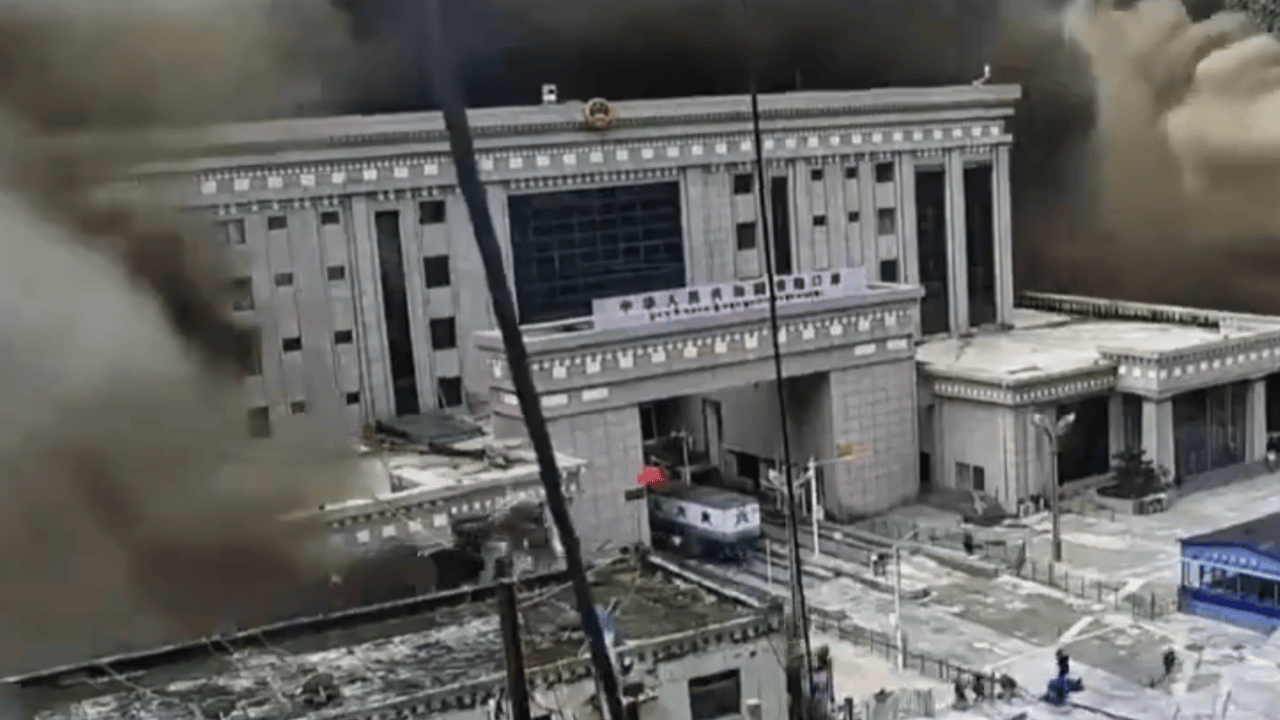
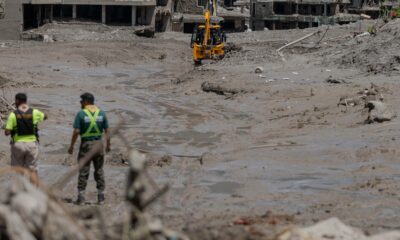
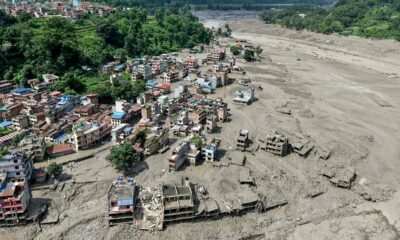
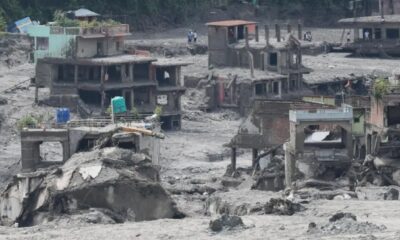
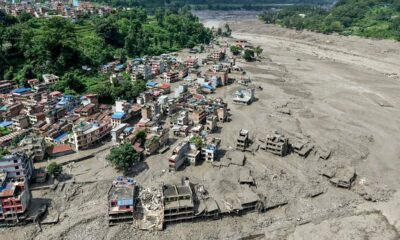
A powerful surge of muddy water and debris tore through communities near the Rasuwagadhi border crossing between Nepal and Tibet, sweeping away vehicles, bridges, roads and buildings in a matter of moments.
Surveillance footage shows people running as the wall of water approaches, while the flood’s force pushes aside buses and trucks parked near the crossing. In other footage, bridges can be seen breaking apart as the swollen river carries mud and debris downstream.
According to Reuters, Nepali authorities have recovered at least 157 bodies, while other reports put the death toll even higher. Hundreds of people remain missing, and the final number of casualties could take days to establish because electricity and communications have been knocked out in affected areas.
The disaster has also raised fears for hundreds of foreign nationals who were travelling through the region. Tourism officials said roughly 400 tourists were missing, including about 340 foreigners. (including four South Africans) Indians made up the largest group, with many believed to have been travelling on pilgrimage.
BREAKING: At least 380 people missing after flash flood hits near Nepal-Tibet border pic.twitter.com/iCRpXJaBAe
BNO News Live (@BNODesk) August 26, 2026
Others reported missing include citizens from the United States, Australia, Britain and Canada. The region is an important route for trekkers and pilgrims, with Mount Kailash in Tibet holding deep religious significance for Hindus.
The situation has prompted concern well beyond Nepal. US authorities said they were monitoring the situation and announced $500 000 in emergency assistance, while Canadian Prime Minister Mark Carney reportedly described the flooding as ‘absolutely devastating.’
The exact chain of events is still being investigated. Initial reports suggest an earthquake may have triggered an ice-and-rock avalanche from a glacier, blocking the Lhende Khola river before a sudden release of water sent a devastating surge downstream.
A magnitude-4.4 earthquake was recorded north of Kathmandu on Wednesday.
Experts have also warned that changing conditions in the Himalayas are making mountain hazards increasingly difficult to predict. Thawing permafrost can destabilise slopes, increasing the risk of landslides, icefalls and avalanches.
‘The Lhende Khola has flooded twice in 14 months,’ disaster risk specialist Saswata Sanyal said, highlighting the growing need for early-warning systems in a warming Himalaya.
The disaster has now left rescue teams facing a race against time. On the Nepalese side, families gathered near a military base being used for helicopter operations, hoping for news about missing relatives.
With homes, roads and critical infrastructure destroyed, the full impact of the Nepal-Tibet floods is only beginning to emerge. On the Tibetan side, officials reported three deaths and 265 people missing after the mudslide struck near the border.
Follow Joburg ETC on Facebook, Twitter, TikTok and Instagram
For more News in Johannesburg, visit joburgetc.com
Featured Image: Screenshot from Video