News
3 000 crosses bring South Africa’s farm murders to Washington
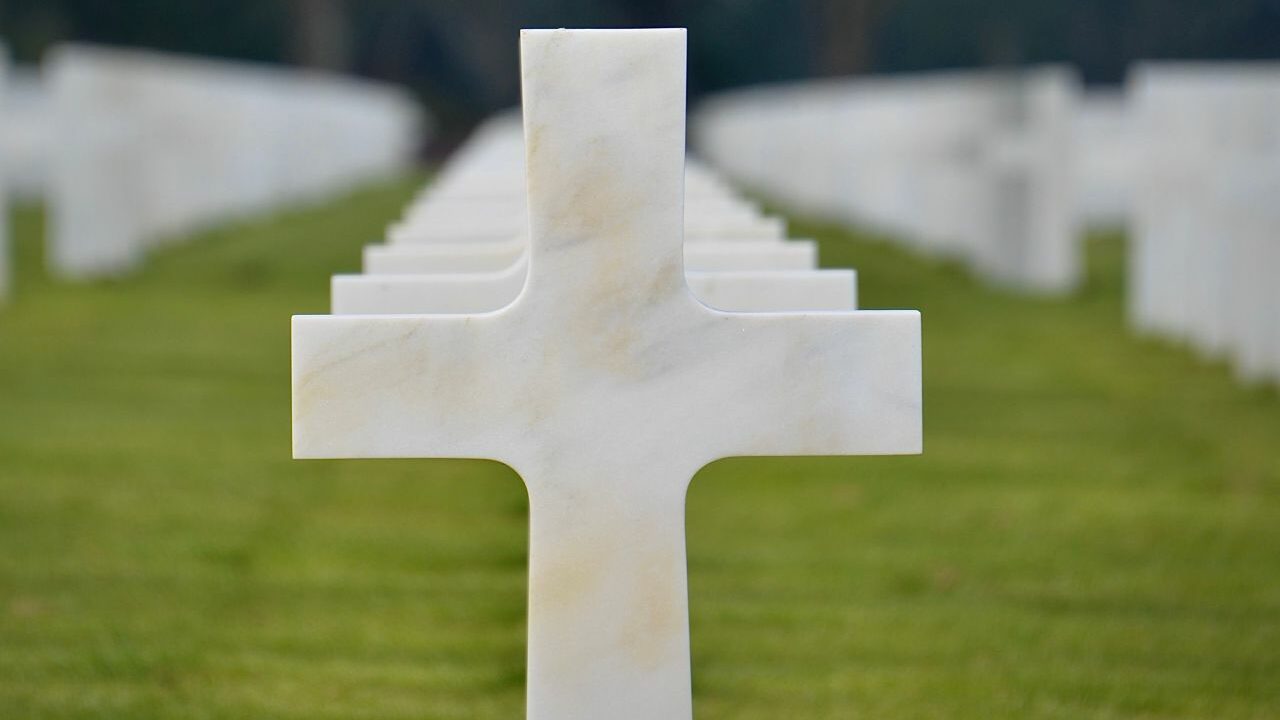
Three thousand white crosses have been placed on Washington, DC’s National Mall, putting the issue of farm murders in South Africa before an international audience.
The display formed part of the White Cross Project, an initiative by South African organisation Lex Libertas, which has campaigned internationally around farm attacks, rural safety and the protection of farming communities.
For those behind the project, the display was designed to move the discussion beyond South Africa’s borders and put the experiences of victims and their families in front of an international audience.
Why Washington?
The choice of Washington was deliberate.
Lex Libertas has described the White Cross Project as part of a broader effort to attract international attention to what it considers serious problems facing South Africa, including farm attacks, property rights and alleged political incitement.
The organisation’s founder, Ernst Roets, has argued that international attention could help increase pressure for solutions to problems affecting rural communities.
The project was organised with the New York Young Republican Club and included a conference dealing with farm attacks, rural safety, property rights and related political issues.
The organisation has also linked the project to a wider campaign calling for international support for decentralisation and self-governance reforms in South Africa.
The numbers behind the debate
The display comes as disagreement continues over how farm murders should be understood and measured.
Official police statistics show that farm murders make up a small proportion of South Africa’s overall murder figures.
Between April and June 2026, SAPS recorded one farm murder, compared with 5 427 murders nationally during the same three-month period. The figure represented a decline from the six farm murders recorded during the corresponding period in 2025.
Those figures do not mean that attacks on farming communities are insignificant. Rather, they provide important context when discussing the scale and nature of rural violence within South Africa’s broader crime problem.
The police have previously also dealt with disputes over the recording of farm murders.
In March 2025, SAPS said it had begun verifying a list of farm attacks submitted by AfriForum after concerns were raised that official figures were undercounting farm-owner murders. SAPS said its preliminary verification found only one farm-owner murder among the cases submitted that corresponded with the official figures at the time.
The police said the verification process was intended to ensure that crime statistics were based on cases that could be independently confirmed.
Farm workers and farm dwellers are part of the picture
Another important part of the debate is who is affected by farm violence.
The discussion is sometimes presented primarily through the experiences of white farm owners. However, official crime reporting has also recorded farm workers and farm dwellers among victims.
This distinction is significant because farming communities are made up of more than landowners. Workers, families and people living on farms can also be exposed to violent crime.
It is one reason why discussions about farm attacks can become complicated when statistics are separated according to race, occupation or location.
A deeply contested issue
The Washington display has also attracted criticism from some South Africans who argue that presenting farm murders without sufficient national crime context risks giving an incomplete picture of violence in the country.
South African Ambassador to the United States Roelf Meyer has rejected the characterisation of farm murders as political persecution, saying violent crime should be condemned regardless of where it occurs or who the victims are.
That position contrasts with the argument made by Roets and Lex Libertas, who maintain that farm attacks deserve particular international attention because of the circumstances surrounding violence in rural communities.
The disagreement illustrates why farm murders remain one of South Africa’s most politically and emotionally charged crime debates.
More than a display of crosses
For the organisers, the crosses are intended to represent individual lives rather than simply a statistic.
Lex Libertas says its research involves identifying and verifying victims of farm attacks, with its wider campaign seeking to bring attention to the experiences of those affected.
The organisation has also used the Washington campaign to promote a broader political message about the future of South Africa.
For critics, however, that political dimension raises questions about whether victims’ deaths should be used as part of a wider international advocacy campaign.
What is clear is that the 3 000 crosses have given an old South African debate a new international stage.
For farming communities, the issue remains rooted in a much more immediate concern: safety in places where people live and work far from many of the services available in urban areas.
For those watching from outside South Africa, the Washington display offers a striking visual introduction to that debate – but the country’s official crime figures and the competing interpretations of those figures remain an essential part of understanding the bigger picture.
Follow Joburg ETC on Facebook, Twitter, TikTok and Instagram
For more News in Johannesburg, visit joburgetc.com