News
Wits denies social media claim that 98% of staff are foreign nationals
Wits University says international employees make up 9% of its staff, rejecting viral claims that 98% are foreign nationals amid wider parliamentary scrutiny of foreign appointments.
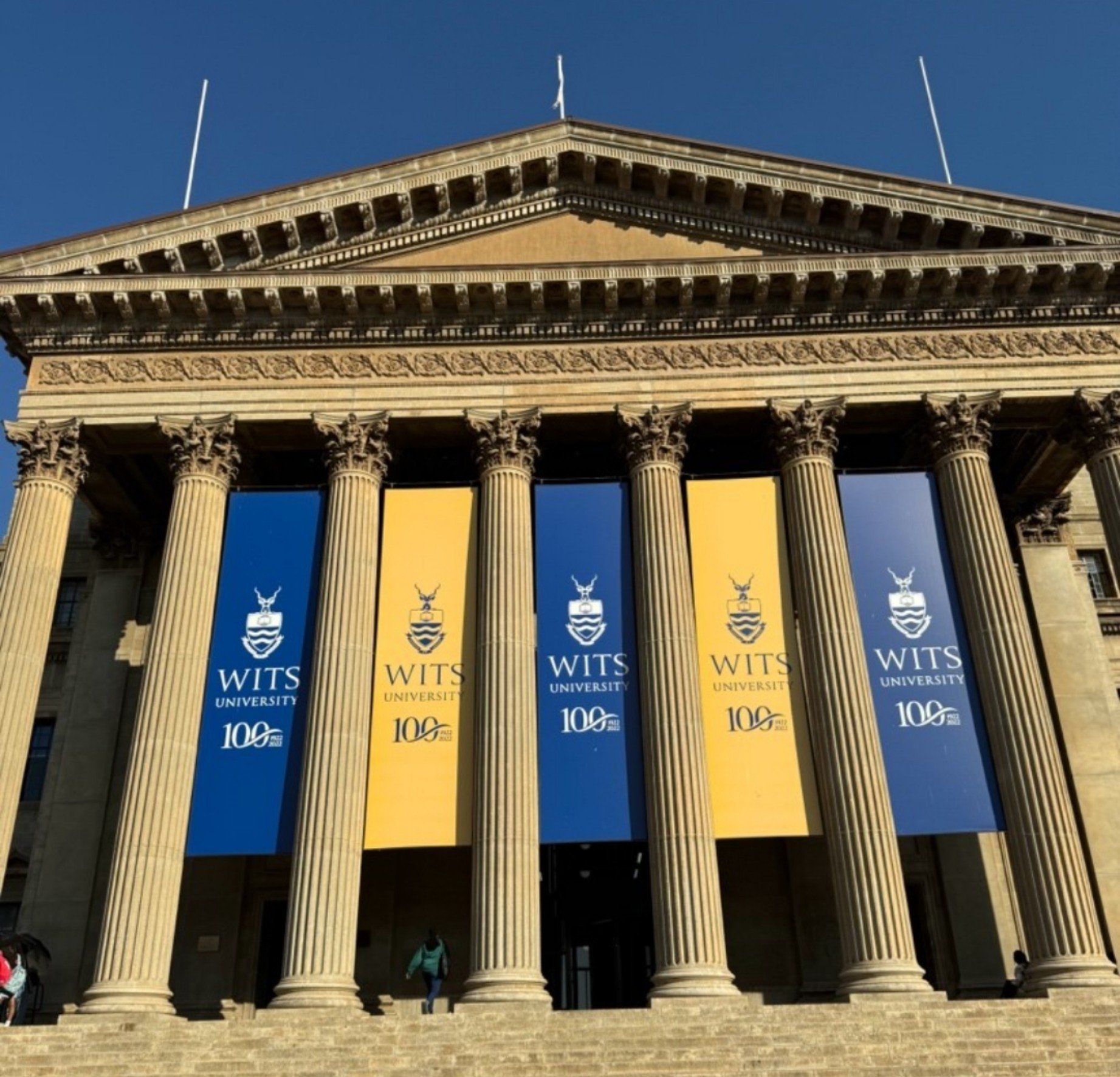
Wits University has rejected viral social media claims that up to 98% of its staff are foreign nationals, saying international employees account for 9% of its workforce.
University pushes back on misinformation
In a statement responding to posts circulating on X, the Johannesburg-based university said:
“Wits is aware of fake news being shared regarding the number of international staff employed at the University. The total number of international staff is, in fact, 9%.”
The university urged the public to “Please refrain from sharing misinformation which seeks to sow division in our community and our country.”
Internationalisation and transformation
Wits also described its approach to staffing as a strategic balance. The university said:
“Our objective is therefore neither localisation nor internationalisation in isolation, but a strategically balanced institution that develops South African leadership while drawing on the very best expertise available globally, where necessary.”
Claims spark wider debate amid economic pressures
The social media posts alleged that Wits was prioritising foreign nationals over qualified South Africans, including unemployed graduates. The claims prompted mixed responses online.
The controversy comes as South Africa continues to face high unemployment. According to Statistics South Africa’s Quarterly Labour Force Survey, the official unemployment rate rose to 33.6% in the second quarter of 2026, up from 32.7% in the first quarter. The survey showed the number of unemployed people increased by 345,000 to about 8.5 million, while the number of employed people fell by 16,000 to 16.7 million.
Parliamentary scrutiny of foreign appointments
Parliament’s Portfolio Committee on Higher Education and Training has called for a seven-year investigation into the appointment of foreign nationals at universities. The committee has been probing whether higher education institutions comply with South Africa’s labour laws.
The committee met with the Special Investigating Unit, the Department of Employment and Labour, the Department of Home Affairs and the Department of Higher Education and Training to discuss study and work permits and compliance measures.
Statistics presented by the Department of Employment and Labour showed that, among the professionally qualified population at universities in 2025, foreign nationals accounted for 16%.
Committee chairperson Tebogo Letsie said the committee supported internationalisation but insisted on legal compliance, stating:
“We believe in internationalisation but there must be compliance with the country’s labour laws such as the Employment Services Act and the Employment Equity Act.”
Letsie added that the committee’s engagement was not an attack on foreign academics but aimed at strengthening the post-school education and training system while ensuring compliance. He said:
“We will follow the correct procedures and channels to request a special proclamation through the Speaker of the National Assembly to write to the President of the country to issue a special proclamation specifically looking at the appointment of foreign nationals during the last seven-year period.”
He also urged the Department of Employment and Labour to prosecute institutions where non-compliance is found.
Student accommodation and funding also under review
The committee raised concerns about student accommodation and the management of funding intended to assist students. Letsie said the committee had supported including the National Student Financial Aid Scheme in the accreditation process for student accommodation and warned that accommodation had become a commodity for some operators.
He said the committee was aware of instances where payments were claimed for students placed in certain residences, including instances where the state pays for accommodation even when students are no longer staying there. The committee commended the Special Investigating Unit and the Public Protector for probing allegations of maladministration, corruption and other wrongdoing in the sector.
What happens next
The committee said a deeper investigation was needed into persistent problems involving funding intended to support students with accommodation and that an upcoming colloquium could help the sector identify solutions.
Follow Joburg ETC on Facebook, Twitter, TikTok and Instagram
For more News in Johannesburg, visit joburgetc.com
Source: iol.co.za