News
Mass burials begin in Nepal as thousands remain missing after glacial collapse
Nepal began burying unidentified bodies after a glacial collapse sent a wall of water and debris downstream, leaving hundreds dead and thousands missing.
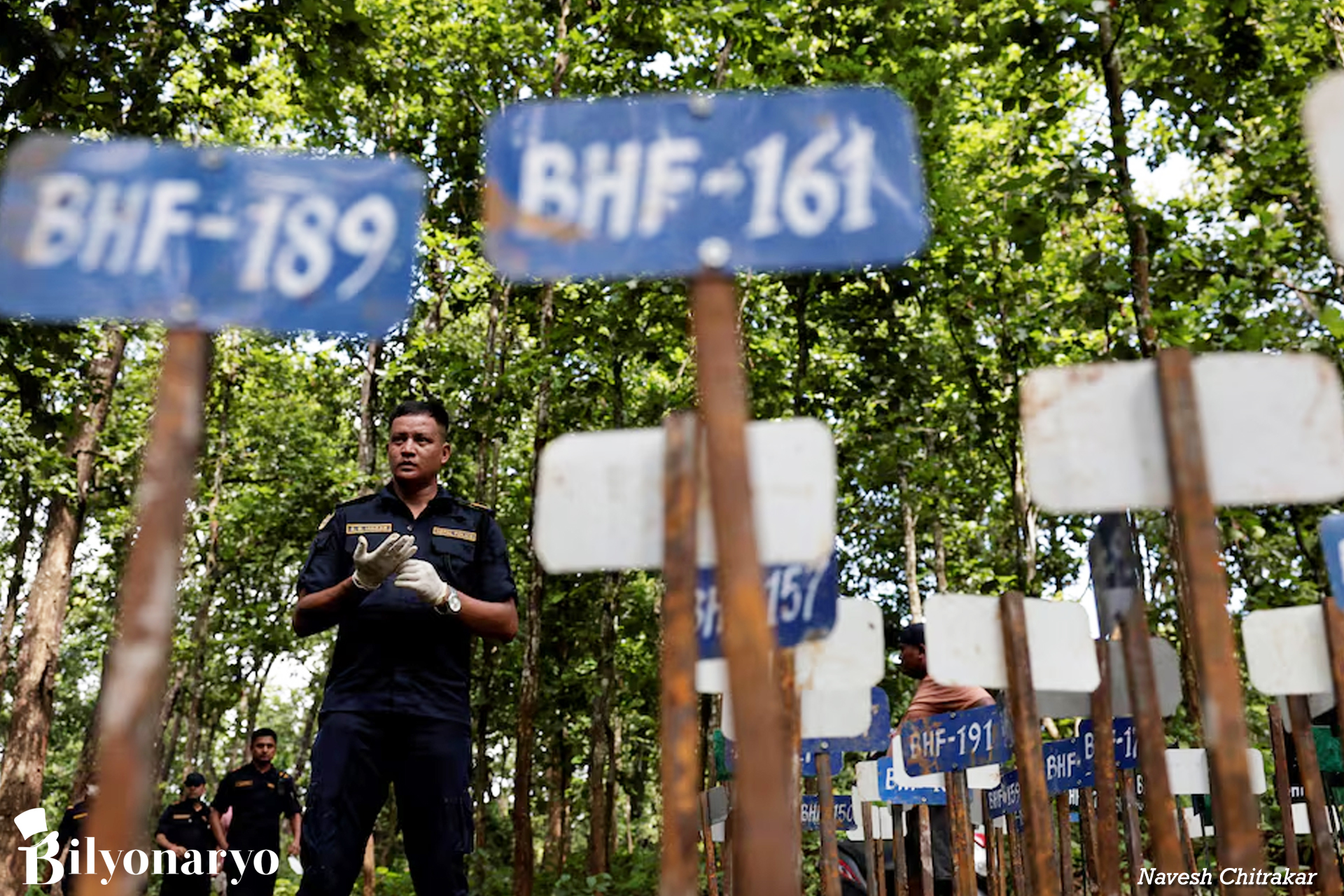
Nepal has begun burying unidentified bodies recovered after a glacial collapse sent a tsunami-like wall of water, ice, rocks and debris through Himalayan valleys, officials and rescuers said. The disaster has left hundreds confirmed dead and thousands missing.
Who, what and where
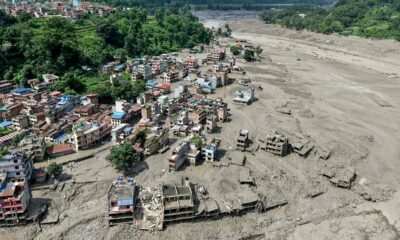
The avalanche-like torrent struck on Wednesday, sweeping through villages and towns across the Himalayan region and affecting areas in Nepal and Tibet. The US Geological Survey attributed the catastrophe to a glacial collapse that produced a massive flow of water and debris.
Scale of the losses
Authorities reported at least 797 deaths across Nepal and Tibet combined. In Nepal alone the disaster agency put confirmed deaths at 781 and said 2,502 people were missing on its side of the border. Chinese authorities reported 16 deaths in Tibet and 546 missing there.
AFP reported that overall at least 3,048 people remained missing, including tourists and pilgrims to Mount Kailash. The story also noted that some bodies may have been carried downstream as far as India.
Rescue operations and recovery challenges
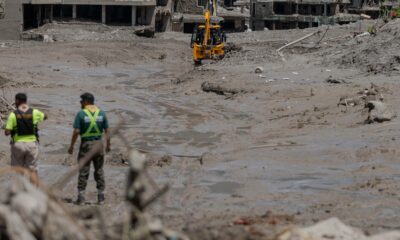
Rescue teams have been searching in unstable conditions. The Nepali army and engineers drilled through debris toward workers thought trapped in a tunnel at the Trishuli 3A hydroelectric site after successfully inserting a pipe into the passage. Overnight rain and rising river levels hampered operations, filling excavation areas before conditions eased.
The torrent created large lakes that emergency workers were monitoring for additional risks. Chinese rescuers near the Tibet border were moved to safety after a new lake formed following a landslide, state media reported.
Workers’ accounts
Survivors and rescued workers described chaotic scenes. One worker, Surendra Dowluri, told AFP he and others were at the Upper Trishuli-1 site when water submerged the turbine floor. He said:
“We heard a very loud sound… and saw that the turbine floor was submerged with slush, and six workers were stuck in that.
“We managed to rescue five of them, but one person lost his life,”
and he described others reaching higher ground or construction areas out of reach of the torrent.
Identification and burials
Faced with an overwhelming number of bodies and limited freezing facilities, Nepali authorities began burying bodies before completing identification. Officials said DNA samples were taken so families could later claim remains and perform traditional rites.
Grieving relatives assembled at identification centres where LED screens showed photographs of recovered bodies. AFP reported relatives sometimes covered their eyes during the process. One woman, Shobha Adhikary, told coordinators she believed an image showed her childhood friend and said:
“It looks like him, for sure.”
Humanitarian response and longer-term concerns
International aid pledges and emergency funds were announced: the United States and Canada said they would provide $3.6 million each, the UK offered $6.8 million, and the UN released $2.5 million in emergency funding. The European Union and several aid organisations also made pledges.
Nepal’s foreign minister urged for specialised assistance, naming heavy-lift drones, technology to locate trapped people, forensic testing kits and freezer units to store bodies. He warned that bodies exposed to water could decompose faster and said reconstruction could cost “billions of dollars”.
On-the-ground conditions
Residents and survivors described widespread destruction. In Nuwakot district, resident Buddhi Ram Dangol told AFP:
“All the settlements near the river were swept away. There is nothing left.”
In Tibet, an official mobilisation included 2,141 personnel in search-and-rescue operations. Chinese state media said rescuers advancing toward the epicentre at Gyirong Port had made limited progress due to access difficulties.
Investigations and monitoring continue as authorities and aid agencies respond to the scale of the disaster and the unfolding humanitarian needs.
Follow Joburg ETC on Facebook, Twitter, TikTok and Instagram
For more News in Johannesburg, visit joburgetc.com
Source: iol.co.za