News
Court bid says Ramaphosa had no right to block Madonsela from Phala Phala inquiry
An urgent Western Cape High Court application argues President Ramaphosa lacked legal power to object to Advocate Thandazani Madonsela leading evidence in the Phala Phala inquiry.
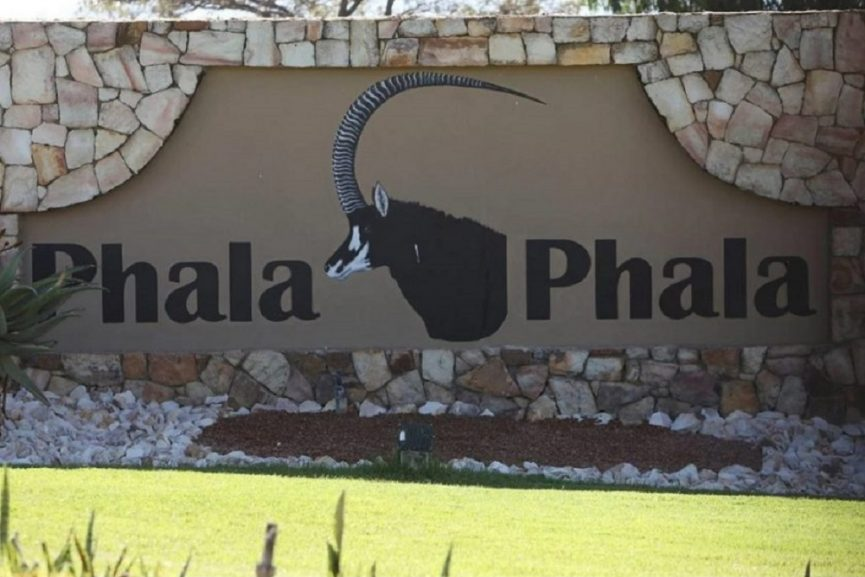
An urgent court application challenges Parliament’s decision to withdraw its recommendation of Advocate Thandazani Madonsela SC to lead evidence in the Phala Phala impeachment inquiry, arguing President Cyril Ramaphosa had no legal right to object.
Who has gone to court and what they ask
According to IOL, the African Legal Professionals Association (ALPA) filed an urgent application in the Western Cape High Court asking the court to declare the committee’s decision unconstitutional, unlawful and invalid.
ALPA’s court papers, seen by IOL, ask that any decision to call for new nominations or to select, recommend or appoint another evidence leader be set aside and that the matter be returned to the committee.
Basis of ALPA’s argument
ALPA argues the president lacked legal authority to object to the committee’s recommendation. In the founding affidavit, Sthembiso Mbhele said the president had claimed a power he does not have.
“The President’s purported objection was then delivered that same day, wherein he purported to invoke a legal right to make objections to Parliament as to who may be appointed as chief evidence leader,” Mbhele said. “But as I will demonstrate, [Ramaphosa] has no such right in law.”
ALPA contends the parliamentary rules Ramaphosa relied on allow the president to participate in the inquiry and make submissions, but do not permit him to object to the committee’s choice of evidence leader, prevent the appointment or demand reconsideration.
Background: how the committee moved
The committee had recommended Madonsela as chief evidence leader on 5 August by nine votes to seven, with 11 abstentions, choosing him over advocate Kate Hofmeyr SC. The ANC abstained with nine votes.
By 18 August Speaker Thoko Didiza had signed the authorisation for Madonsela’s appointment, and the only remaining step was for the State Attorney to formally instruct him to lead evidence.
Why the committee withdrew the recommendation
The committee withdrew the recommendation six days after the endorsement by a vote of 18 to nine. The papers seen by IOL record that Ramaphosa objected, raising concerns that Madonsela might harbour a sense of grievance over his removal from the Judicial Service Commission in 2022 and noting prior legal advice Madonsela had given on impeachment matters.
ALPA says the committee relied on assertions of grievance, concealment, recklessness, undisclosed mandates and political association that, in ALPA’s view, were not supported by facts and were not put to Madonsela.
Other legal and parliamentary context
The committee has been barred from holding public impeachment hearings since July by an interim interdict Ramaphosa obtained while he challenges the Ngcobo report. The Ngcobo report, compiled by a Section 89 panel chaired by former chief justice Sandile Ngcobo, found there was a case to answer regarding the theft of foreign currency from the Phala Phala game farm in February 2020.
Judgment in Ramaphosa’s challenge was reserved in the Western Cape High Court last Friday before Judge President Nolwazi Mabindla-Boqwana, Judge Mark Sher and Judge Ncumisa Mayosi. Although the interdict remains until judgment is delivered, the committee may continue preparatory work and was due to meet to decide whether to oppose the applications and to recommend a new evidence leader.
Procedural dates and next steps
According to IOL, ALPA’s application is set down for next week Friday. Ramaphosa is cited as the fifth respondent in ALPA’s papers, alongside committee chairperson Makashule Gana, the National Assembly, Speaker Thoko Didiza, secretary to Parliament Xolile George and Madonsela.
Disclosure and earlier vetting
Parliamentary records show senior parliamentary legal adviser Suanne Isaac wrote to Madonsela on 24 July setting out the six requirements for the post, including that the evidence leader have no real or perceived conflict of interest, and asked him to confirm he met them. Madonsela replied three days later, saying “I have no conflict of interest in the matter,” while making certain disclosures about past roles and briefs.
Parliament’s legal services office later advised that there was no actual conflict of interest, no evidence of animosity between the president and Madonsela, no sign that Madonsela held confidential information and no objection from his former client, the ANC. The office also recorded that an evidence leader does not determine facts, make findings or decide outcomes.
Where the matter stands
The committee was set to consider whether to oppose the court applications and whether to move to recommend a different evidence leader. ALPA’s challenge seeks to return the selection process to the committee and to set aside any steps taken to seek new nominations or appoint another chief evidence leader.
Follow Joburg ETC on Facebook, Twitter, TikTok and Instagram
For more News in Johannesburg, visit joburgetc.com
Source: iol.co.za