News
US warns Middle East conflict could ‘escalate rapidly’ after missile strike on Riyadh
The US warned the Saudi-Houthi fighting could escalate rapidly after a missile attack threatened Riyadh. Authorities said the missile was intercepted and destroyed.
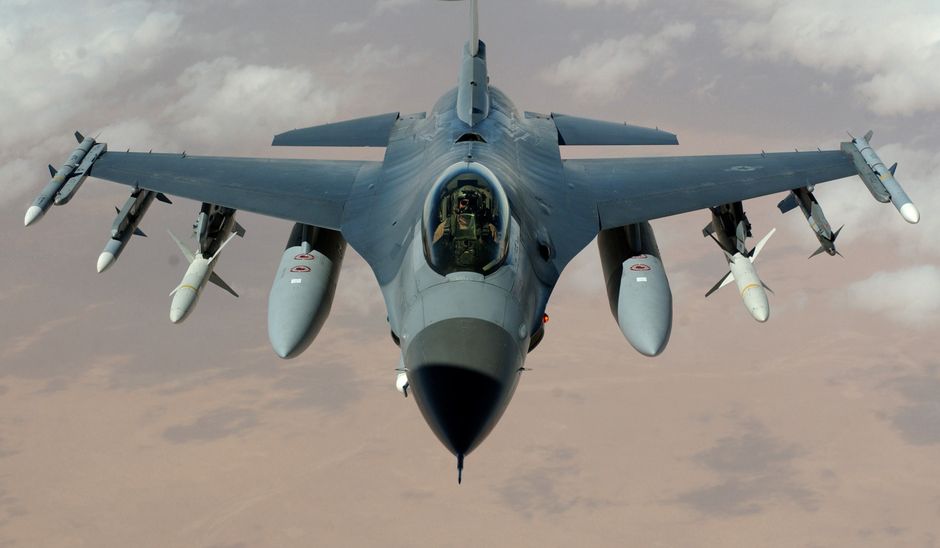
The United States warned the Saudi-Houthi fighting could “escalate rapidly” after a missile attack threatened Riyadh, AFP reported.
What happened
Loud explosions rang out in the Saudi capital, where AFP journalists saw a fuel tank bearing the logo of oil giant Aramco on fire near the airport. Authorities said the ballistic missile launched by the Houthis was intercepted and destroyed.
US reaction
The US State Department warned the fighting “has the potential to escalate rapidly” and advised American citizens outside the Middle East to “seriously reconsider travel to and through the region.” The State Department also restricted travel for American government employees to the Saudi cities of Taif and Yanbu.
Washington’s reported decisions
US news platform Axios reported that Washington refused a Saudi request to strike the Houthis.
Regional impact and responses
The violence has disrupted exports from Saudi Arabia and maritime traffic. Houthi forces said they carried out multiple operations using ballistic and cruise missiles and drones; Houthi military spokesman Yahya Saree said the first operation “targeted sensitive sites in the Saudi capital, Riyadh, and the second targeted Aramco facilities in Yanbu.”
Turkey’s Foreign Minister Hakan Fidan told broadcaster NTV that his country had discussed possible assistance with Saudi Arabia and Pakistan, partners in a mutual defence pact, and that “military needs, especially in state technical matters, may happen. There would be no problem in meeting this demand either,” the broadcaster reported.
On the ground in Yemen
The Houthis have seized swathes of Yemeni territory in a lightning offensive that left hundreds dead and, the UN refugee agency says, displaced more than 110,000 people. Saudi Arabia has responded with scores of airstrikes on Houthi-held areas but has not stopped the fighters’ advance.
Wider strategic concerns
The attacks have heightened concerns about navigation through strategic waterways. The Bab al-Mandab strait a Red Sea waterway crucial to energy flows and global shipping drew attention after the Houthis seized the Yemeni coast, and Iranian actions have increased pressure on the Strait of Hormuz.
AFP quoted Andreas Krieg of King’s College London saying the attack on Riyadh crossed “an important psychological threshold,” adding that strikes threatening Riyadh make restraint “politically and strategically much harder to sustain.”
Diplomatic moves
US Central Intelligence Agency Director John Ratcliffe visited Cairo and met Egyptian President Abdel Fattah al-Sisi, days after Saudi Crown Prince Mohammed bin Salman also visited Cairo, where they urged safe navigation through Bab al-Mandab. Iran’s top negotiator conveyed conditions for reopening the Strait of Hormuz to the US through mediators, and Iran’s Foreign Minister Abbas Araghchi travelled to New York to attend the UN General Assembly, AFP reported.
Editor’s note: Article updated to align claims and attributions with the original source material.
Follow Joburg ETC on Facebook, Twitter, TikTok and Instagram
For more News in Johannesburg, visit joburgetc.com