Business
Oil edges up as Hormuz attacks stoke supply fears; stocks slip and rand steadies
Oil climbed as renewed attacks in the Strait of Hormuz raised supply concerns. Stocks fell while the rand steadied around R16.57 to the dollar, analysts say.
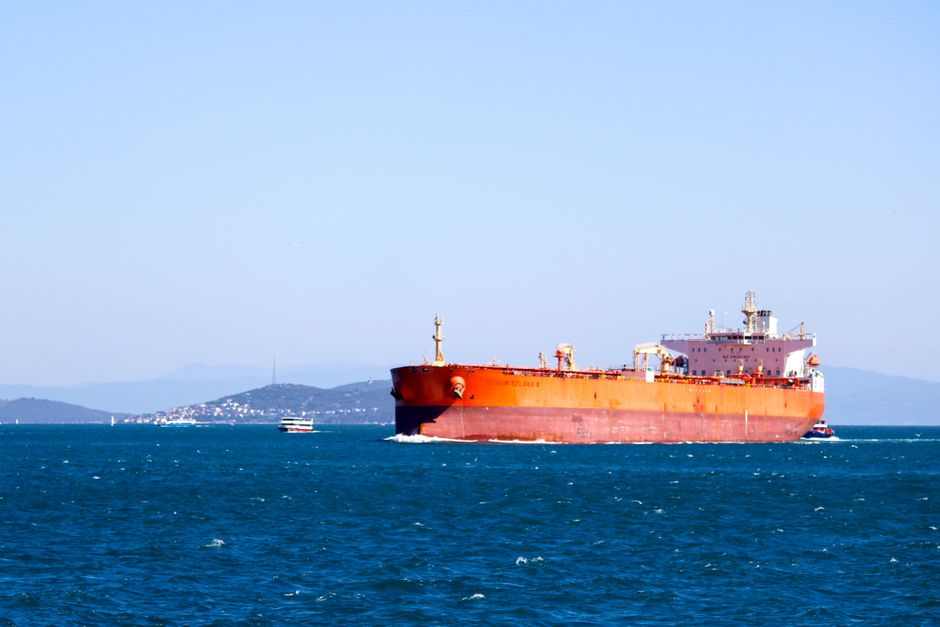
Oil prices rose on Wednesday as fresh concerns about supplies from the Middle East followed warnings of increased attacks in the Strait of Hormuz, while global equity markets slipped and the South African rand firmed slightly.
What drove markets on Wednesday
Markets reacted to reports that Tehran had increased strikes on tankers transiting the crucial Strait of Hormuz. The heightened geopolitical risk pushed Brent North Sea Crude to $101.48 a barrel and West Texas Intermediate to $90.29 per barrel in early Asian trade.
Equities turned lower after an upbeat start to the week. Asian bourses including Tokyo, Hong Kong, Singapore, Seoul, Wellington and Taipei were down, while Sydney and Manila edged higher. The retreat came despite another record day on Wall Street, where the Nasdaq and S&P 500 were lifted by renewed investor interest in artificial intelligence stocks.
Rand and South African flows
The South African rand was slightly stronger on Wednesday morning, trading at R16.57 to the US dollar after recently topping R16.70/$. Bianca Botes of Citadel Global said the rand remained pressured by a stronger dollar and higher oil.
Annabel Bishop, chief economist at Investec, said foreigners had been net sellers of R14.5 billion in South African bonds since early last week, as the country was affected by a rise in global risk aversion. She added that improving government finances had limited the scale of the sell-off.
Supply signals and regional developments
Confidence had earlier been bolstered by reports that exports from the Middle East, excluding Iran, were moving back toward pre-war levels a trend that had pushed Brent below $100 and WTI under $90 and eased some inflation worries. Those gains were partially reversed after the reports of increased strikes in the Strait of Hormuz.
UK Maritime Trade Operations said there had been nine attacks so far this month a total that is about half of all attacks in September in the waterway and the Persian Gulf combined. Separately, Yemen’s Houthis claimed an attack on Riyadh’s main airport and denied reports they had been pushed back by government forces; Yemen’s military said it had removed the group from areas around the Bab al-Mandab strait and the port city of Mocha.
Top oil officials warned that global stockpiles were running low, reducing governments’ ability to absorb shocks from the crisis. Chris Weston at Pepperstone said the market remained highly sensitive to headlines and geopolitical risk, noting that reports of increased flows across the region had offered some downside pressure which was being offset by conflicting reports about the scale of attacks.
Market snapshots
- Rand: R16.57/$, R18.62/€ and R21.96/£
- Tokyo – Nikkei 225: DOWN 0.9 percent at 70074.13
- Hong Kong – Hang Seng: DOWN 0.7 percent at 24,108.15
- West Texas Intermediate: UP 1.0 percent at $90.29 per barrel
- Brent North Sea Crude: UP 0.9 percent at $101.48 per barrel
- New York – Dow: UP 0.5 percent at 51,521.28 (close)
- London – FTSE 100: UP 0.4 percent at 10,541.69 (close)
Tech and US markets
Wall Street records were driven by gains in AI-exposed tech stocks. Nvidia’s market capitalisation hit almost $5.7 trillion, and investors were encouraged by reports that firms were preparing for the latest US earnings season, which analysts expect will show a sharp year-on-year jump in S&P 500 profits.
Analysts said the market move into tech followed a summer rout that left questions over when large AI investments would deliver returns.
IOL & AFP
Follow Joburg ETC on Facebook, Twitter, TikTok and Instagram
For more News in Johannesburg, visit joburgetc.com
Source: iol.co.za