News
Voters Break from Old Loyalties in Bid for Change at 2026 Local Elections
South Africans head to the polls, breaking old political loyalties to demand improved service delivery in the 2026 local elections amid mounting frustration.
Rising Frustration Drives South Africans to the Polls
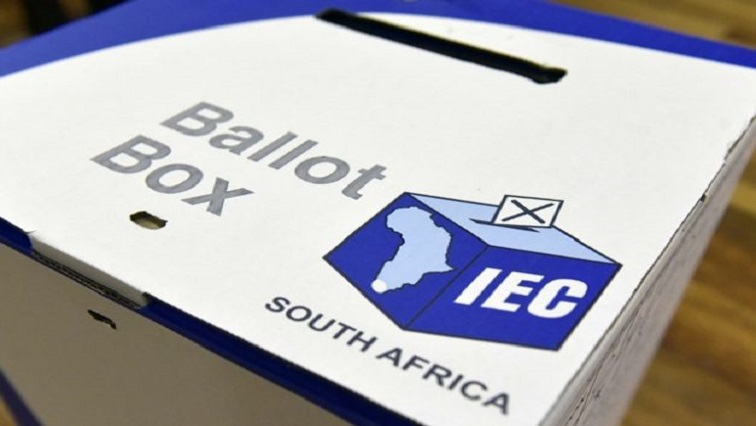
Residents across South Africa turned out for the 2026 local government elections, motivated by widespread dissatisfaction over service delivery failures and unmet promises from political leaders. For many, these elections were less about party loyalty and more about demanding accountability and tangible improvement in their communities.
Breaking with Tradition: Voters Seek Alternatives
In areas long governed by familiar parties, voters began to reconsider their political allegiances. Masetumo Marago of Boipatong in Gauteng, who faces the daily indignity of raw sewage flooding her home, went to the polls determined to send a message. “You have failed me and now I hope someone else will make changes,” she said, signalling a break from the party she had supported since 1994. While she chose not to disclose her new political choice, she expressed hope that her vote would address persistent issues like sewage spills and illegal dumping.
Moses Mashaba, a 27-year-old street vendor from Soweto, echoed this sentiment: “Sometimes we don’t have water or electricity. There is also a high unemployment rate, which has been frustrating.” For him and others, the ballot became a powerful tool for expressing frustration over unreliable services and limited opportunities.
Socioeconomic Challenges Trigger Fresh Engagement
Other regions, such as Langa in Cape Town, experienced similar urgency. Thembinkosi Somana arrived early to vote, explaining, “I want things to change… people must get work. People mustn’t suffer.” Voters in working-class neighbourhoods shared stories of disillusionment but remained hopeful that their participation could spur political transformation.
However, not every South African held onto that hope. In Gqeberha, 26-year-old Shane Jacob sat aside on election day, having lost faith in the process after years of voting without experiencing progress. “Voting? Never, not again. I have been voting since 2018 and what did I get? Nothing. My life has not changed. If anything it has gotten worse,” he remarked, reflecting the growing scepticism among some segments of the population.
Turnout and the Political Landscape
Despite more than 29 million registered voters, previous local government elections had seen a turnout of just 46%. Early voting statistics for 2026 showed similar patterns: the Electoral Commission reported only 1.4 million of the 2.6 million eligible early voters cast ballots. These figures suggest that while frustration is widespread, it does not always translate into increased electoral participation.
The ANC at a Crossroads
The political implications are significant. The African National Congress (ANC), South Africa’s governing party for the past three decades, faces mounting criticism for failing infrastructure, unemployment, and deteriorating basic services. The outcome of these elections will not directly determine national leadership, but the results are expected to influence the party’s future and strategies ahead of its leadership conference in December 2027 and the next general election in 2029.
Key Issues: Services Over Sentiment
Independent political analysts emphasise that this election is about “bread and butter issues” – water, electricity, roads, and sanitation. As Kingsley Makhubela, a political analyst and former diplomat, noted, “People are not going to vote on sentiments.” The willingness of voters to set aside historic loyalties marks a pivotal shift in how political power is won and retained in South Africa.
- Ineffective service delivery continues to be a central issue shaping electoral decisions.
- Voter disillusionment influences both voter turnout and the nature of participation.
- Changing loyalties could reshape the local and national political landscape over the coming years.
What the Turnout Reveals
According to analyst Solly Masilela, increased voter turnout would indicate that citizens see elections as a viable means of demanding change. A low turnout, by contrast, suggests entrenched despondency, with many feeling that voting offers little hope of improvement. “Where the voter turnout was low, it would have confirmed the theory that voters are despondent and no longer viewing elections as a tool that can change their socioeconomic conditions through the betterment of their lives,” Masilela observed.
Looking Ahead: Beyond 2026
The final results, expected later this week, will give clearer insight into how deeply voter frustration is influencing political behaviour and whether South Africans see the ballot box as a pathway to progress or a symbol of broken trust. While local elections do not change the national government, they offer a crucial opportunity for citizens to hold their immediate leaders accountable for water, electricity, sanitation, and waste management.
The challenges facing municipalities – water shortages, failing infrastructure, unemployment, and persistent service delivery crises – remain daunting. How voters respond at the polls may serve as both a signal of current frustrations and a potential catalyst for change in South African politics.
Follow Joburg ETC on Facebook, Twitter, TikTok and Instagram
For more News in Johannesburg, visit joburgetc.com
Source: citizen.co.za