News
Ramaphosa orders 60- and 90-day GBVF plans as critics demand proof of delivery
Ramaphosa ordered 60- and 90-day plans to audit stalled GBVF cases, clear forensic backlogs and improve safety after bodies were found in Ekurhuleni. Critics demand proof.
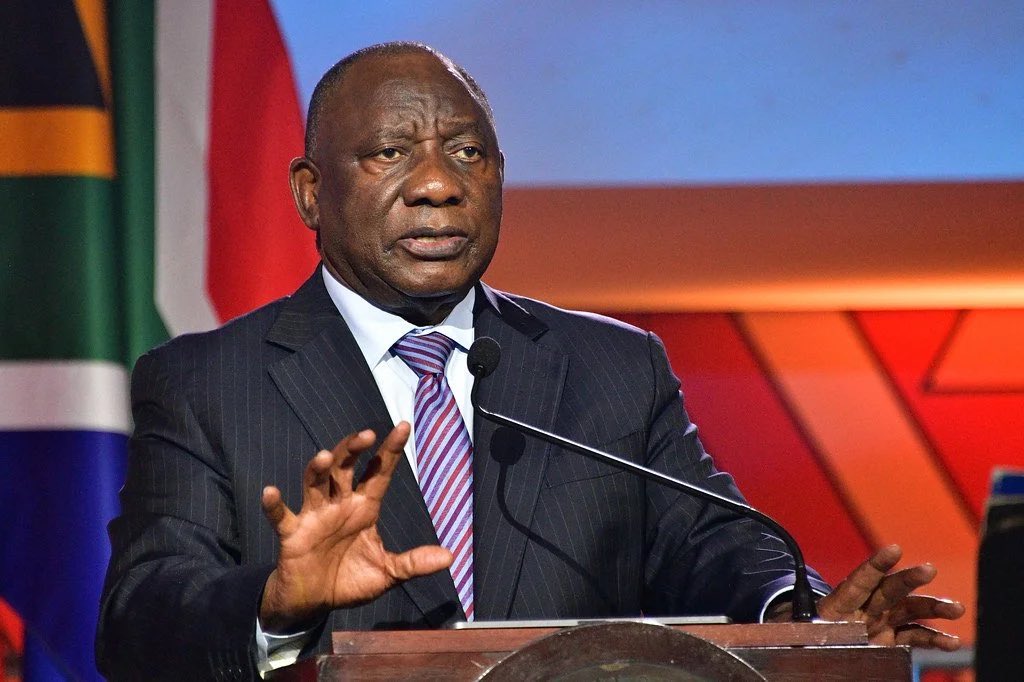
President Cyril Ramaphosa has ordered 60- and 90-day plans aimed at accelerating the state’s response to gender-based violence and femicide (GBVF) after the discovery of women’s bodies in Ekurhuleni. Critics and civil society groups welcomed the recognition of urgency but said the government must now show that the measures will be implemented and produce results.
What the president announced
In an address to the nation on Tuesday night, Ramaphosa set out a series of measures that include a national case-recovery process for unresolved murders, attempted murders, rapes and serious sexual offences involving women and children. The government must identify unresolved cases, cases awaiting forensic evidence, identified suspects who have not been arrested, and cases facing unreasonable investigative or prosecutorial delays within 60 days. Within 90 days, recovery plans for priority and stalled cases are to be produced, naming what must be done, who is responsible and when tasks must be completed.
Other measures
- Forensic backlogs: Police and forensic authorities must produce a funded plan within 60 days to reduce backlogs, identifying backlog numbers, staffing and equipment shortages, resources needed and deadlines. Forensic samples linked to the rape or murder of women and children must be prioritised, and progress is to be reported publicly every three months.
- Community safety audits: Municipalities must conduct women’s safety audits to identify hazards including broken streetlights, overgrown or abandoned areas, unsafe transport routes and poorly secured parks and facilities and either fix urgent hazards within 90 days or include them in a funded plan with deadlines. Communities will be able to see what has been identified, fixed and outstanding.
- Alcohol-related violence: Provinces and municipalities must step up enforcement of liquor laws and by-laws, including targeting unlicensed outlets and businesses trading outside permitted hours, and submit a coordinated plan to Cabinet within 60 days.
Context: Ekurhuleni deaths and public anger
The announcement came as the country reacted to the discovery of women’s bodies in Ekurhuleni. Eleven women’s bodies have been found in Ekurhuleni since July, according to the Foundation for Rights of Expression and Equality (Free SA). The group said the repeated need for presidential addresses on the crisis is itself concerning.
“Seven years ago, Ramaphosa addressed South Africans about this crisis. Tonight, by his own admission, he had to do it again because what government has done has not been enough. That is not merely an acknowledgement. It is an indictment of years of promises that have failed to produce the safety South African women were promised,”
Gideon Joubert, spokesperson for Free SA.
Political and civil-society reactions
Opposition and civil-society voices said commitments must translate into action. Democratic Alliance leader Geordin Hill-Lewis criticised the president’s record of announcements, saying women were dying while promises continued.
“President Ramaphosa has been announcing emergency responses to GBVF since 2019. … But eight years into this presidency, there is a recurring gap between what is announced and what women experience in their communities,”
Geordin Hill-Lewis.
A joint statement from the International Women’s Forum South Africa, GBVF Response Fund and Graça Machel Trust welcomed the commitments to clear responsibilities, timelines and regular public reporting, but said the real test is delivery and sustainable funding across prevention, policing and forensic capacity, justice, survivor support and partner organisations.
“The President has set out a framework for action. The test now is delivery. The women and families affected by the violence in Ekurhuleni, and all women across South Africa, deserve to see these commitments translated into lasting change,”
the joint statement.
Action Society called on the government to move beyond identifying failures and to publish concrete information such as the backlog and which stalled cases have moved, and to explain how protection orders will be enforced.
“Show us which stalled cases have moved. Tell us how protection orders will be enforced. Open the conversation about the National Register for Sex Offenders. Restore the statistics. Then report what has changed for women seeking help, not how many more meetings government has held.”
Juanita du Preez, Action Society.
Accountability and next steps
Ramaphosa also instructed that progress be published quarterly. Civil society groups said those public reports, funding commitments and clear lines of responsibility will be essential if the announced measures are to change outcomes for women and girls.
For now, the policy deadlines and reporting requirements stand as the government’s roadmap; critics and organisations say they will be watching to see whether the plans are implemented and produce measurable results.
Follow Joburg ETC on Facebook, Twitter, TikTok and Instagram
For more News in Johannesburg, visit joburgetc.com
Source: iol.co.za