Business
Factories Shrink, Jobs Shift: South Africa’s Manufacturing Pain Runs Deeper Than a Quarterly Slump
Manufacturing has lost 35,000 jobs over the past year as South Africa’s formal sector sheds positions, wages rise for some while total pay fell for the quarter.
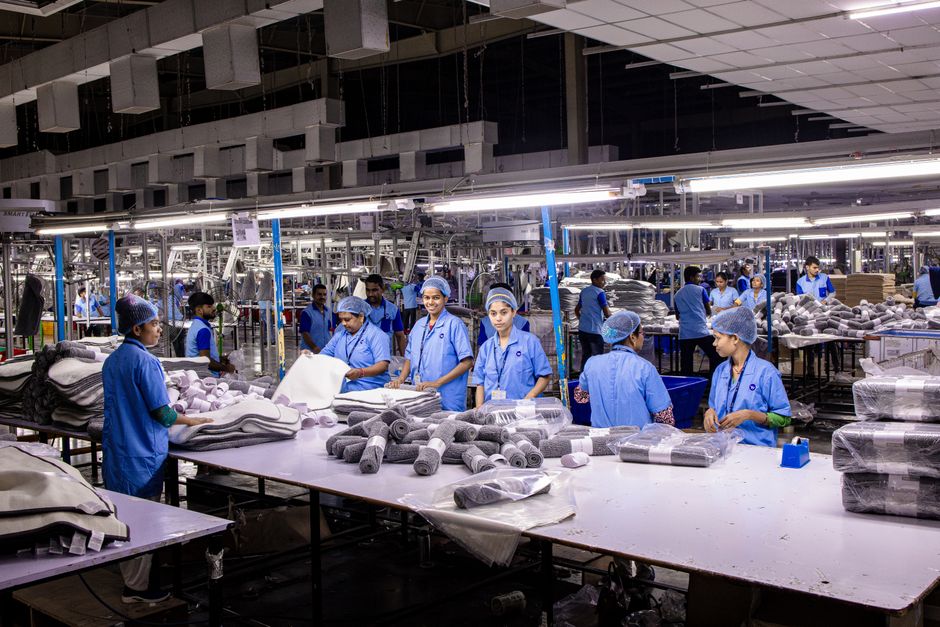
South Africa’s formal job market is showing strain that goes beyond a single weak quarter. New analysis of Stats SA figures shows manufacturing has continued to contract, full-time positions are falling and the mix of employment is shifting toward less secure work.
Manufacturing: steady decline, widening damage
Manufacturing has lost 35,000 jobs over the past year, a decline of 2.7 percent, with cuts reported across food and beverages, textiles, chemicals, metals and transport equipment. Within the sector, full-time positions fell by 10,000, while part-time manufacturing jobs fell by 12.2 percent a loss of 10,000 roles from a smaller base.
That sequence full-time cuts followed by deep part-time losses signals firms are not only trimming costs but cutting into production capacity.
Formal sector trends and labour-market quality
The second-quarter loss follows an upward revision to the first quarter, which showed a 109,000 job loss, bringing total formal-sector losses for the first half of 2026 to 123,000. Year on year, the formal sector has shrunk by 95,000 positions.
There is also a change in job quality: across the formal sector full-time employment fell by 40,000 while part-time employment rose by 26,000. Average monthly earnings rose 4.1 percent year on year to R30,611, but total gross earnings paid to employees fell by R4.8 billion for the quarter. The data point to workers being pushed toward lower-hours, less secure roles even as average pay for those remaining in full employment edged up.
Wider economic backdrop and causes flagged by Stats SA
The formal-sector downturn coincided with a 0.2 percent contraction in GDP in the same quarter and a rise in the official unemployment rate to 33.6 percent, from 32.7 percent in Q1. Youth unemployment stands at 47.4 percent, and five million young people are out of work.
While South African manufacturing has been a shrinking share of the economy for decades, Stats SA pointed to higher input costs tied to global energy price fluctuations as the key trigger this time, rather than load shedding.
What the numbers imply
The pattern of losses especially the erosion of full-time roles and subsequent hits to part-time capacity suggests a labour market quietly restructuring in ways the headline unemployment rate does not fully capture. The central question raised by the figures is whether manufacturing can recover full-time jobs and production capacity, or if the sector faces deeper structural decline.
Notes: All figures and attributions in this article are taken from the Stats SA data and the analysis published in the source material.
Follow Joburg ETC on Facebook, Twitter, TikTok and Instagram
For more News in Johannesburg, visit joburgetc.com
Source: iol.co.za