Business
Iran’s $60bn BRICS Trade Shows Growth but Full Benefits Remain Elusive
Iran’s annual BRICS trade reached about $60bn, with $23bn in exports and $37bn in imports, yet officials say full economic benefits of membership remain unrealised.
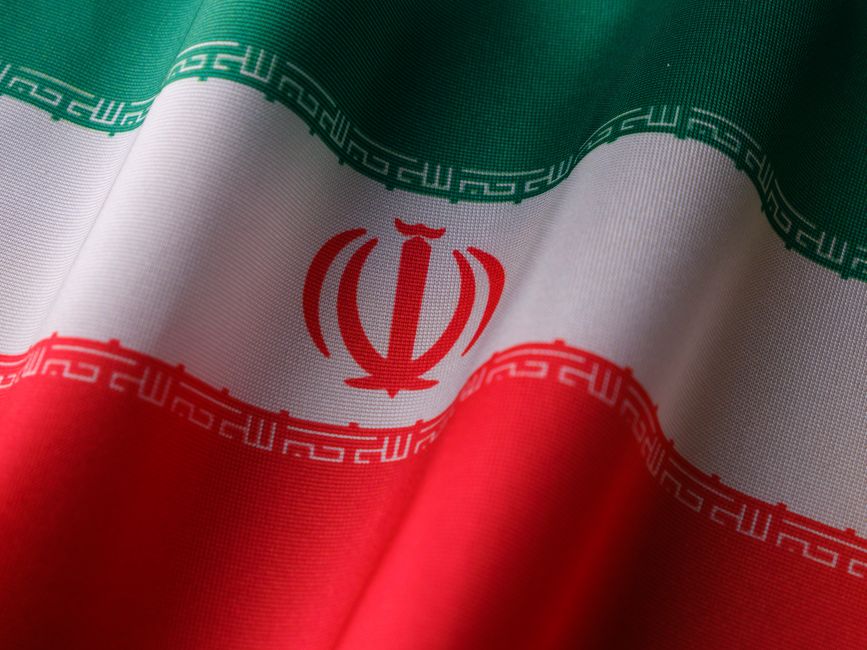
Iran’s trade turnover with BRICS countries reached roughly US$60 billion last year, but Iranian officials say the country has not yet realised the full economic potential of its membership in the bloc.
Trade figures and direction
Mohammad Sadegh Ghanadzadeh, Deputy Head of Iran’s Trade Promotion Organisation, said Iran’s annual BRICS trade totalled about US$60 billion. He gave a breakdown showing exports of US$23 billion to BRICS members and imports of US$37 billion from them.
Keeping commerce moving under pressure
Ghanadzadeh noted that economic exchanges with BRICS countries continued despite sanctions and transport, freight and air-service problems arising from the war situation. He said Iran is treating BRICS membership as a practical lifeline while many conventional trading routes remain constrained.
Areas for deeper cooperation
The deputy trade chief said there is room to expand cooperation in transit, trade facilitation, customs, coordination on standards and payment mechanisms. He also flagged the possibility of expanding the use of local currencies in bilateral trade between member countries to help develop broader financial mechanisms among BRICS members.
De-dollarisation theme
Ghanadzadeh’s comments align with a wider BRICS focus on de-dollarisation, a policy Iranian officials have raised since joining the bloc.
Official caveat: numbers vs domestic impact
Despite the headline trade figure, Ghanadzadeh conceded that the full potential of Iran’s BRICS membership has yet to be realised in the country’s economy, indicating that strong trade totals do not automatically translate into transformed economic fortunes at home.
Recent trends and sector detail
Iran formally became a BRICS member in 2023. The source notes that non-oil trade with the bloc was about US$38 billion in 2022–2023, with China accounting for the largest share then. The reported rise to a US$60 billion total covering oil and non-oil exchanges suggests deeper links since full membership.
Iran’s Minister of Agriculture, Gholamreza Nouri Ghezeljeh, is reported to have said that roughly US$25 billion of Iran’s agricultural trade runs through BRICS countries, amounting to about half of the nation’s agricultural imports and one third of its agricultural exports.
Voices from exporters and BRICS discussions
An Iranian trader speaking to FreshPlaza described BRICS membership as
“a big step in the right direction”
while noting that non-dollar payment channels through Russian and Chinese banks remain limited and cumbersome.
The most recent BRICS Summit gave Iran a platform to press for improvements on these bottlenecks. Discussions at the summit focused on international transport corridors, trade expansion, financial cooperation and mutual settlement mechanisms. Identified priorities included developing transit routes, simplifying trade procedures, coordinating customs operations and improving payment systems.
Outlook
The picture painted by officials is one of steady but incomplete integration: Iran has found BRICS partners willing to continue trading despite external political pressures, and the US$60 billion figure underscores those ties. Still, converting membership into broader economic advantage through smoother payments, better transport links and deeper currency cooperation remains a work in progress.
Follow Joburg ETC on Facebook, Twitter, TikTok and Instagram
For more News in Johannesburg, visit joburgetc.com
Source: iol.co.za