Business
Premier consults on 424 job cuts at Tulbagh plant despite merger conditions
Premier is consulting on 424 possible retrenchments at its Tulbagh canning plant. Cosatu disputes the move and the Competition Commission is investigating.
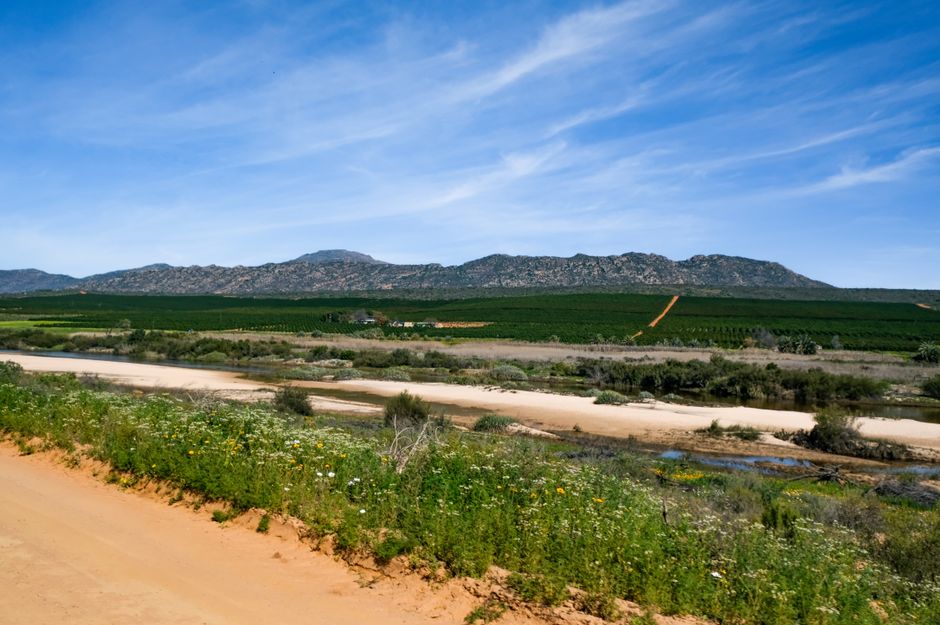
Premier Group has begun consultations over 424 possible retrenchments at its Fruit Processing Western Cape facility in Tulbagh, six months after completing the acquisition of RFG Holdings, the company said.
Who, what and where
The Tulbagh operation, which Premier said exports about 90% of its production, is the subject of a Section 189 consultation after the company’s board decided in July not to reopen the facility for the coming fruit-harvest season, “subject to the required legal and regulatory processes.”
Merger conditions and dispute
The Competition Tribunal imposed a moratorium on merger-related retrenchments for three years after implementation of Premier’s takeover of RFG. The Tribunal’s order said:
“Any retrenchment during the moratorium period will be presumed to be merger-specific, unless the merging parties/merged entity can demonstrate otherwise.”
Premier said the proposed closure of the Tulbagh plant is unrelated to the merger, stating:
“The proposed closure of the FPWC facility is solely as a result from the significant structural economic challenges affecting the global fruit-canning industry and is thus independent of the RFG transaction.”
Labour groups dispute Premier’s position. The Congress of South African Trade Unions (Cosatu) warned the proposed closure threatens workers and surrounding rural communities and said:
“400 workers, 200 farmers, thousands of farmworkers and five rural communities”
would see their livelihoods “devastated” if jobs are cut. Cosatu said the South African Clothing and Textile Workers’ Union (Sactwu) fought for the employment condition when the merger was considered.
Investigations and company response
Sactwu has referred the proposed retrenchments to the Competition Commission, which is investigating whether the action breaches the Tribunal’s merger conditions. Premier said it was “cooperating fully with the Commission” and providing information requested for the investigation.
Company rationale and wider industry context
Premier described a long-term decline in the global fruit-canning industry, saying:
“The industry has been in long-term decline, with canneries closing globally as demand for canned fruit products has dramatically decreased.”
The company also noted export prospects for the Western Cape business had deteriorated to the point the facility was “no longer economically viable.” The source material records that US tariffs were already affecting RFG’s canned-fruit business before the Premier takeover; in November 2025 RFG said higher tariffs had reduced its competitiveness in the US and caused some customers to shift orders to producers in countries with a tariff advantage.
Possible outcomes and company plans
Premier said it has left open the possibility of selling the Tulbagh business as a going concern and is in talks with Langeberg Foods about transferring a significant portion of its fruit-supply contracts. The company also plans to process some fruit at its Groot Drakenstein facility and has made the Tulbagh plant available for possible repurposing.
Financial backdrop
Premier expects headline earnings per share for the six months ending September to rise between 22% and 32%, and revenue to increase between 35% and 45% following the RFG acquisition, the company said in a trading statement issued on Tuesday.
Local and national context
Tulbagh is described in the source material as a historic wine-farming town of about 9,000 people, located about 120 kilometres north-west of Cape Town. The national unemployment rate was reported at 33.6% in the second quarter of 2026.
Follow Joburg ETC on Facebook, Twitter, TikTok and Instagram
For more News in Johannesburg, visit joburgetc.com
Source: iol.co.za