Business
‘Matter of survival’: MISA urges R3 temporary fuel levy cut as petrol tops R30/litre
MISA calls for a temporary R3 cut in the General Fuel Levy as petrol tops R30/litre in Gauteng, warning rising fuel costs threaten household budgets and transport.
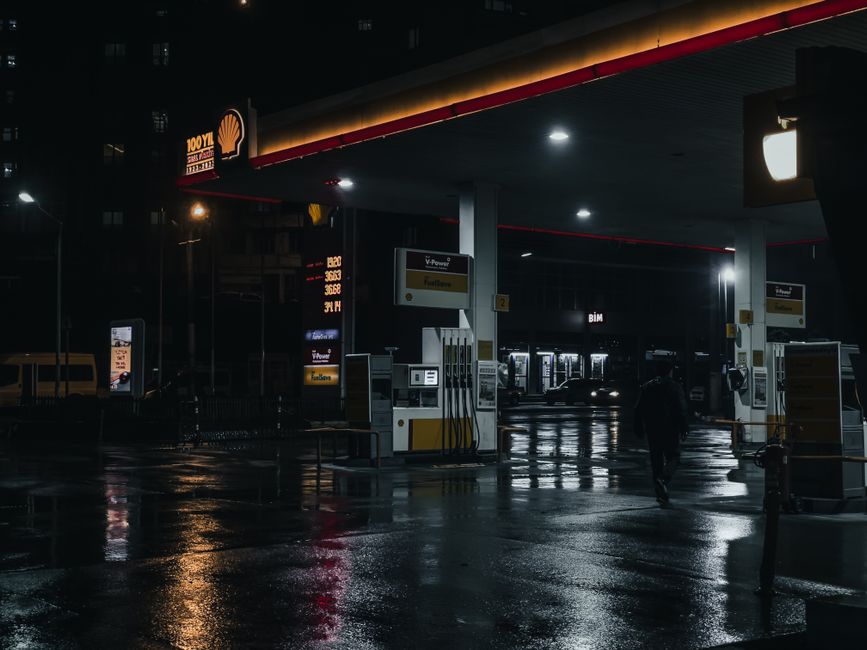
The Motor Industry Staff Association (MISA) has demanded an urgent, temporary reduction of at least R3 per litre in the General Fuel Levy after petrol prices passed the R30-a-litre mark in Gauteng.
Price jumps and where they stand
The latest fuel-price adjustments, effective Wednesday, October 7, push 95 Unleaded to R30.25 a litre inland and to R29.38 at the coast. 93 Unleaded rises to R29.88 in inland regions. Diesel prices also climbed, with 50ppm diesel up by R3.24 a litre and 500ppm up by R2.84. At wholesale level, 50ppm diesel will cost R32.80 in Gauteng before retail margins are added.
MISA’s case: relief is a necessity
MISA warned that rising transport costs add pressure to households already struggling to meet basic expenses.
“Fuel relief is not optional, it is a matter of survival,”
said Martlé Keyter, MISA’s chief executive officer: Operations. Keyter added:
“Workers cannot pay R30 a litre to get to work while the state takes more than R4 of every litre. We are asking government to do again what it has already shown it can do.”
What MISA is asking for
MISA has called for:
- a temporary reduction of at least R3 per litre in the General Fuel Levy on petrol and diesel while international oil prices remain elevated;
- targeted relief for households that rely on illuminating paraffin;
- urgent engagement through the National Economic Development and Labour Council (NEDLAC) on levies and margins included in the fuel-price structure.
Past relief and current levy levels
The association noted that government introduced temporary fuel levy relief in April after organised labour pushed for intervention through NEDLAC: the General Fuel Levy was cut by R3 a litre for two months and the diesel levy was reduced to zero during that period. That relief has since expired. The current General Fuel Levy stands at R4.10 a litre on petrol and R3.93 on diesel.
Government and industry responses
Mineral and Petroleum Resources Minister Gwede Mantashe has previously said there are no immediate plans for another intervention, while his department is reviewing the fuel-pricing structure with that process due to be completed in March 2027.
Wider impacts on commuters and freight
The fuel shock is affecting more than private motorists. The minibus-taxi industry is under pressure from higher fuel and operating costs. The South African National Taxi Council (SANTACO) said it was too early to confirm whether taxi fares would rise again and that decisions are left to individual taxi associations following consultation with commuters. SANTACO said associations had implemented only one fare increase since fuel prices began rising in March.
IOL has previously reported that taxi commuters have faced fare increases of about R3 to R6 on some city routes and R10 to R30 on some long-distance journeys this year. The freight sector is also exposed, with diesel accounting for a substantial share of road-freight operating costs.
Household pressure
MISA cited figures from the Pietermaritzburg Economic Justice and Dignity Group showing that transport and electricity consumed 65.8% of a minimum wage before food costs were taken into account. The association said government should act before the latest fuel shock places further pressure on household budgets and transport costs.
“Government has already proven that fuel levy relief is possible, and the conditions that justified it in April are worse today,”
MISA said.
Follow Joburg ETC on Facebook, Twitter, TikTok and Instagram
For more News in Johannesburg, visit joburgetc.com
Source: iol.co.za