Business
Uganda’s extractive revenues rise, but refinery and value‑addition questions loom
Uganda’s extractive revenues climbed as oil and mining receipts rose, but a planned 2030 refinery and years of crude exports pose a test for lasting economic benefit.
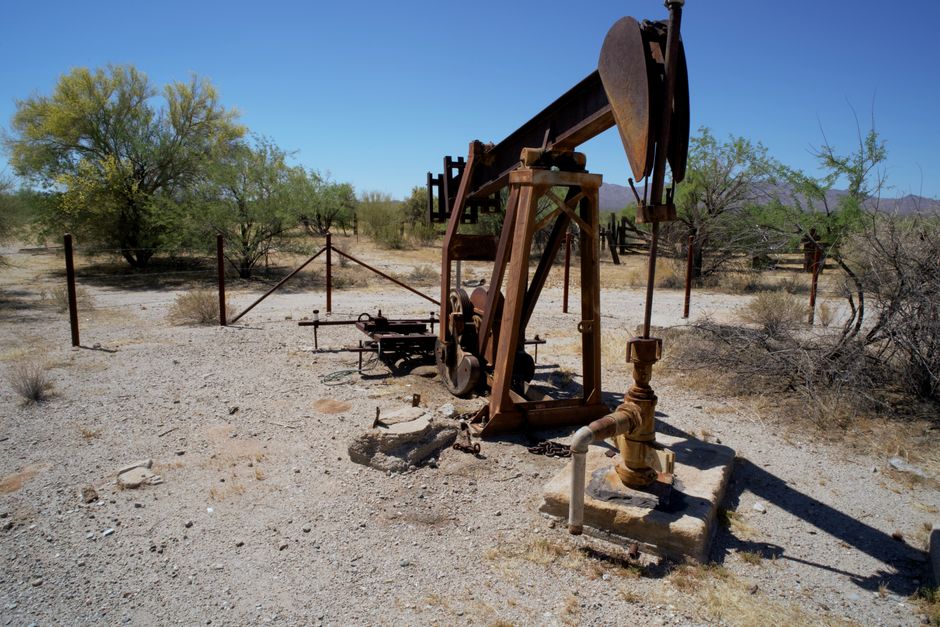
Uganda has recorded a rise in revenues from its extractive sector, but policymakers face a narrow window to turn that income into lasting industrial benefits rather than years of crude exports.
Revenue gains driven by oil, gas and mining
The latest figures show oil and gas revenue rose 41.7 percent to Shs326.27 billion, while mining revenue reached Shs336.97 billion. Direct government revenue from the sector increased from Shs481.27 billion to Shs606.36 billion, a total that the report says is roughly 2.18 percent of overall government revenue.
State Minister for Planning Amos Lugoloobi characterised the numbers as evidence of unrealised potential in the sector if it is managed properly.
Production indicators point to first oil, but past delays linger
Commercial oil reserves were discovered in the Albertine Graben in 2006 and planned production dates have slipped repeatedly. The current operational signals differ from earlier false starts: according to the Petroleum Authority of Uganda, TotalEnergies’ Tilenga project has drilled 198 wells against a target of 170, and CNOOC’s Kingfisher project has completed all 21 wells needed for initial output.
Recoverable reserves have been revised to 1.65 billion barrels, and the government is targeting first crude exports via the East African Crude Oil Pipeline around October 2026. Projected peak national output is cited at between 230,000 and 260,000 barrels a day.
The refinery question: value addition or export-only era?
Uganda signed a 2025 deal with UAE‑based Alpha MBM Investments for a 60,000‑barrel‑per‑day refinery in Hoima, with the Uganda National Oil Company (UNOC) holding 40 percent. UNOC has pointed to a 2030 launch date for the refinery, which means Uganda could export unrefined crude for several years before domestic refining begins.
That gap is highlighted as a risk: the commentary notes the situation mirrors other African cases where prolonged crude exports occurred while domestic refining capacity lagged.
Pre‑production revenues and the challenge of converting income into growth
Uganda has already received over $1.4 billion in tax and non‑tax revenue before producing any oil. Projections in the report suggest the country could see $1 billion to $2.5 billion annually once production stabilises, with those proceeds intended to feed into the government’s Ten‑Fold Growth Strategy.
But Bank of Uganda governor Michael Atingi‑Ego warned that resource extraction alone will not guarantee prosperity, a caution grounded in regional experience.
What to watch next
- Whether the planned East African Crude Oil Pipeline begins exports around the targeted October 2026 date.
- Progress toward the 2030 refinery launch in Hoima and any measures that bring forward domestic value addition.
- How the government uses rising extractive receipts to build lasting industrial capacity rather than rely on raw commodity exports.
The authors of the original analysis are Dr Iqbal Survé and Sesona Mdlokovana. The piece notes that whether Uganda converts rising extractive revenues into sustained industrial development will depend on events between first oil and the refinery target.
Follow Joburg ETC on Facebook, Twitter, TikTok and Instagram
For more News in Johannesburg, visit joburgetc.com
Source: iol.co.za