News
RAF proposes R3 fuel levy as motorists face new funding questions
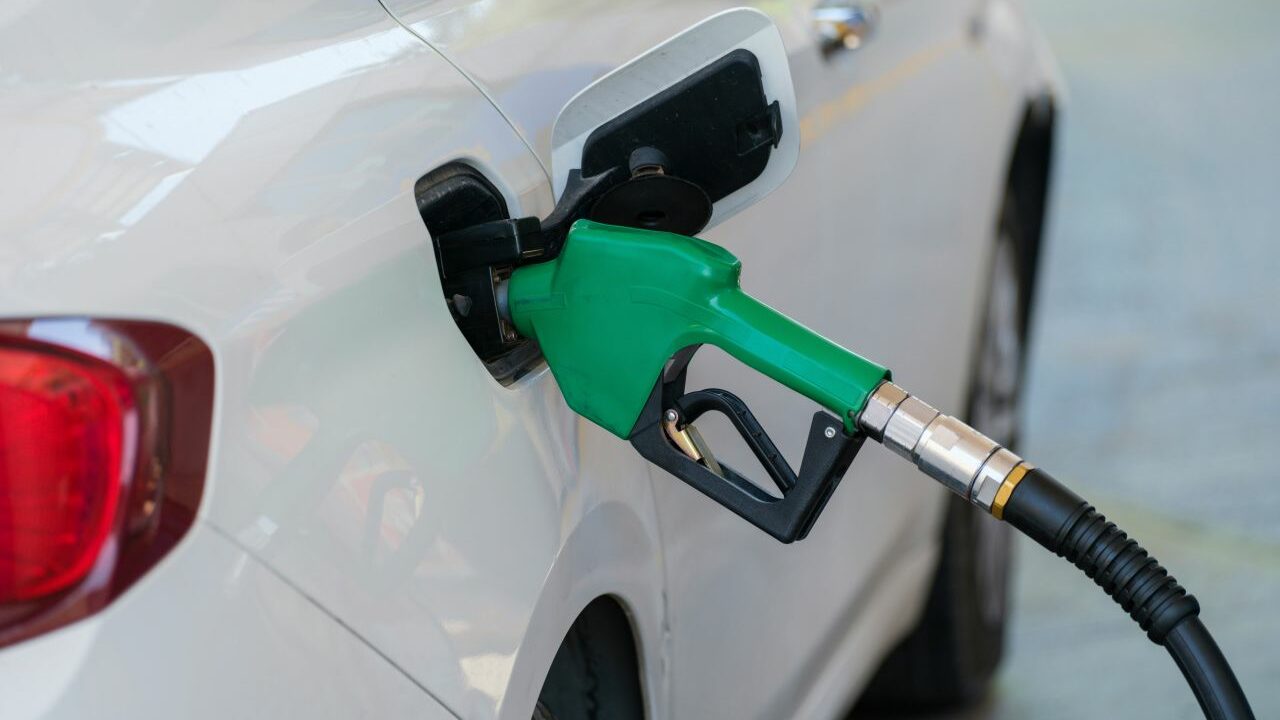
South African motorists are facing another debate over the cost of keeping their vehicles on the road, with the Road Accident Fund (RAF) proposing a higher fuel levy while government considers alternative ways to finance the fund, Cape {town} Etc reports.
The proposal comes at a difficult time for drivers. Petrol and diesel prices increased sharply on 7 October, adding to the pressure on households already managing transport, food and other living expenses.
The RAF currently receives R2.25 per litre through its fuel levy. However, the fund wants National Treasury to consider increasing the amount to as much as R3 per litre as part of efforts to improve its financial position.
A separate government review is also examining whether motorists could contribute towards the fund through vehicle licence renewals or other arrangements.
No new RAF licence-renewal fee has been finalised, and the proposed increase to the fuel levy is not yet an approved change.
RAF seeks a higher fuel levy
The current RAF levy increased from R2.18 to R2.25 per litre on 1 April 2026, following the national Budget announcement.
According to BusinessTech, the RAF has proposed raising the levy to R3 per litre through a submission to National Treasury as part of the Medium Term Expenditure Framework process.
The fund’s 2025/26 annual report identifies falling fuel volumes and the effects of inflation on its income as challenges facing its existing funding model.
The RAF also indicated that the seven-cent increase introduced in April was insufficient to address its financial pressures.
The proposal is intended to help improve the fund’s financial position. However, it remains subject to consideration by the relevant authorities.
Could vehicle licence renewals become another funding source?
Increasing the fuel levy is not the only option being examined.
The Department of Transport is investigating alternative funding arrangements, including a possible contribution linked to vehicle licence renewals.
According to IOL, compulsory third-party motor insurance is also being considered as a separate option. The department has commissioned a cost-benefit analysis of the different approaches, which is expected to accompany the planned Road Accident Benefit Scheme Bill when it is tabled.
These discussions form part of a wider review of how the RAF should be funded in the future.
Transport Minister Barbara Creecy has told Parliament that the department wants to reduce the fund’s dependence on the fuel levy, particularly as electric vehicles become more prevalent.
However, the options under consideration should not be confused with a final policy decision. There is currently no confirmed announcement that motorists will have to pay an additional RAF charge when renewing their licence discs.
Parliament raises concerns about RAF’s finances
The funding review comes amid serious concerns about the RAF’s financial position.
In a statement published on 7 October, Parliament’s Portfolio Committee on Transport reported that the fund had indicated it was paying out approximately R25 billion per month while receiving around R4 billion into its coffers.
The committee also heard that the financial situation was contributing to lengthy delays in settling claims.
Parliament’s statement highlighted the need for interventions to improve the fund’s stability. It also raised concerns about irregular expenditure and noted that several measures were under way to address the challenges.
The figures cited above were reported by Parliament following the committee briefing and reflect information provided to the committee.
What the proposals could mean for motorists
The outcome of the funding review matters because the different options could affect motorists in different ways.
An increase in the RAF levy could raise the levy component of fuel prices. A separate vehicle-owner contribution could introduce an additional cost for people renewing their licences, depending on how such a scheme is designed.
Compulsory third-party insurance would represent a different approach to funding road-accident compensation.
At this stage, however, it has not been confirmed that all three mechanisms will be introduced together. The government is still assessing alternative models, and the final arrangements remain unresolved.
For Cape Town residents who rely on their vehicles to get to work, take children to school or run businesses, any future change could have implications for household budgets.
The immediate question is therefore not whether a new fee has already been introduced, but which funding model the government will ultimately adopt and how its costs will be distributed.
What motorists need to know
For now, the RAF fuel levy remains R2.25 per litre. The proposed R3 levy has not been approved, and a possible contribution linked to vehicle licence renewals remains under consideration.
The government is reviewing the funding system amid concerns about the RAF’s financial sustainability and its ability to meet its obligations.
Motorists should follow announcements from the Department of Transport, National Treasury and the RAF for confirmation of any changes.
Until a final decision is announced, reports about additional charges should be treated as proposals rather than new fees that motorists are already required to pay.
Follow Joburg ETC on Facebook, Twitter, TikTok and Instagram
For more News in Johannesburg, visit joburgetc.com
Featured Image:
Be the first to know – Join our WhatsApp Channel for content worth tapping into! Click here to join!