Opinion
Columnist: Europe must pay reparations before strengthening ties with Africa
An IOL opinion argues Ronald Lamola was right to highlight history but says Europe must first acknowledge slavery and colonialism and pay reparations to rebuild trust.
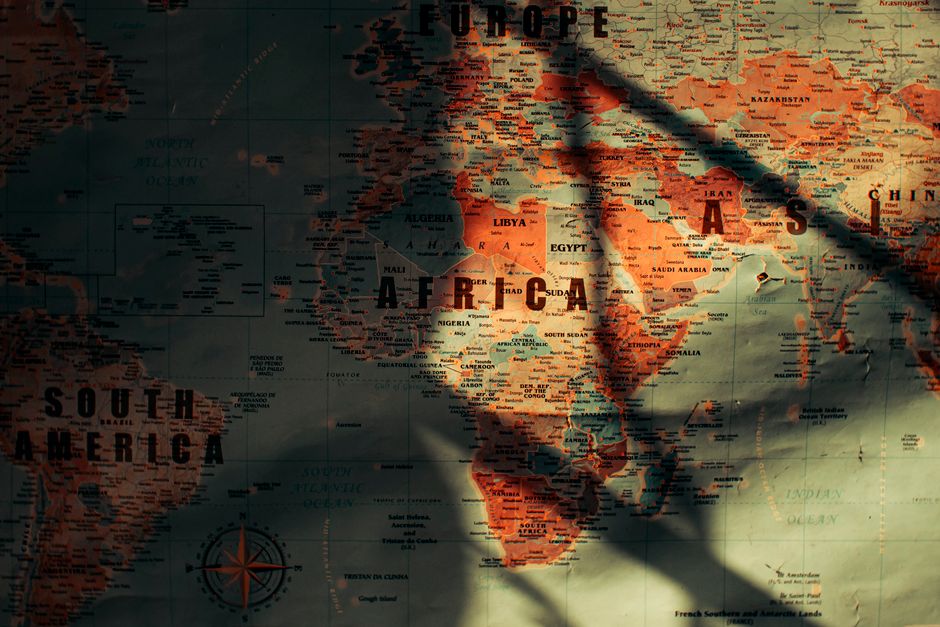
Why reparations should come before a renewed Africa–Europe partnership, an IOL columnist argues
South Africa’s Minister of International Relations and Cooperation, Ronald Lamola, addressed a conference organised by the Institute for Security Studies this week and framed Africa–Europe relations in the context of history and contemporary geopolitical shifts. In an opinion piece for IOL, columnist Abbey Makoe says Lamola’s honesty about slavery and colonialism was welcome but that Europe must first confront its past and pay reparations before a truly equal relationship can be built.
Lamola’s central questions and the context of his address
At the conference, Lamola used the organising question:
“How can Africa and Europe build on their existing partnership and translate their shared ambitions into practical cooperation that delivers tangible benefits for the people of both continents?”
Makoe highlights that Lamola also warned of the “growing uncertainties” and “geopolitical rivalry” that now shape relations between the two continents observations the columnist described as bold and honest.
History as the unavoidable backdrop
Makoe stresses that the legacies of slavery and colonialism continue to shape Africa–Europe relations. Though both systems are formally ended, the columnist argues their effects still manifest in ways that complicate contemporary diplomacy and cooperation. Makoe writes that those historical injustices must be addressed openly if any partnership is to be meaningful.
What reparations represent in this debate
In the column, reparations are framed not only as compensation but as atonement a way for Europe to acknowledge and take responsibility for past harms. Makoe argues that demanding reparations would be a way to call Europe to account and to set a new starting point for relations between the continents.
Examples of colonial legacies cited
Makoe points to enduring cultural and linguistic imprints as one form of colonial legacy. The piece notes that Francophone Africa retains French as an official language, Anglophone Africa predominantly uses English, and Portuguese remains in parts of Africa such as Mozambique and Angola. The columnist links these language patterns to broader cultural shifts imposed during colonial rule.
Accountability, conflict and current tensions
The column connects past and present by asserting that Europe remains central to some modern conflicts on the continent. Makoe cites, as examples, the Sahel regional nations of Burkina Faso, Mali and Niger, which have, according to the piece, expelled French mercenaries and severed diplomatic relations with the Macron administration because of what those governments described as meddling in their domestic affairs.
Unity as a prerequisite
Makoe urges African leaders to make unity their central requirement when negotiating with Europe. The columnist writes that internal cohesion described plainly as getting “our continental house in order” is essential for Africa to present a united front and to ensure respect in external engagements. Makoe frames unity as both a strategic necessity and a form of self-respect.
Why this argument matters
The opinion piece challenges the reader to consider how historical wounds shape contemporary diplomacy. It asserts that without a frank reckoning with slavery and colonialism, any talk of shared ambitions risks being superficial. Makoe’s call for reparations is presented as a demand for material acknowledgement and a durable starting point for future engagement.
Broader considerations without new claims
While the columnist calls for reparations and unity, the piece also underscores the complexity of rebuilding trust across continents where histories of domination remain part of public memory. The argument invites policymakers to weigh moral and practical considerations and to consider how acknowledging historical wrongs might affect the terms of cooperation.
Author and context
The views appear in an IOL opinion by Abbey Makoe, who is identified in the piece as the founder and editor-in-chief of the Global South Media Network. The column responds directly to Lamola’s recent keynote at the Institute for Security Studies conference and positions reparations as a precondition for a renewed, equitable relationship between Africa and Europe.
What readers should take away
At its core, the column is a call for truth-telling and a reordering of priorities in diplomatic engagement. Makoe commends the frankness of Lamola’s remarks while arguing that words about partnership must be matched by actions that confront historical injustice. For the columnist, reparations and African unity are necessary steps toward changing the terms of Europe–Africa relations.
Follow Joburg ETC on Facebook, Twitter, TikTok and Instagram
For more News in Johannesburg, visit joburgetc.com
Source: iol.co.za