News
Durban Community Groups Unite in Protest Against Eskom Electricity Tariff Hikes
Durban’s South Durban Community Environmental Alliance leads a peaceful protest at Eskom’s Westville offices, opposing electricity tariff hikes approved by NERSA.
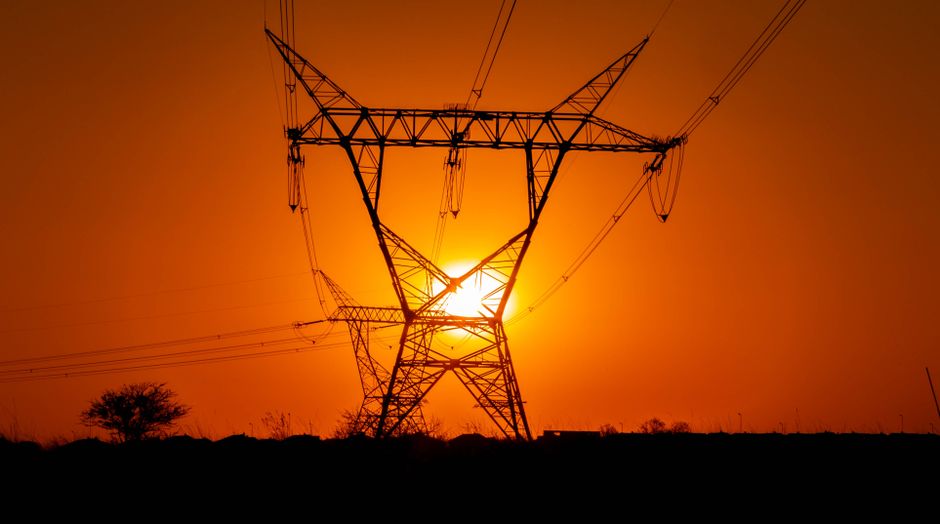
Durban Communities Organise Peaceful Protest Over Electricity Price Increases
Community action is taking shape in Durban as the South Durban Community Environmental Alliance (SDCEA) prepares for a peaceful protest against rising electricity tariffs. The event will take place outside Eskom’s offices in Westville, KwaZulu-Natal, highlighting growing public frustration with recent and proposed price hikes.
Placard Protest Highlights Local Opposition
Residents from across South Durban are expected to gather in a show of unity against electricity tariff increases sought by Eskom, which are under review by the National Energy Regulator of South Africa (NERSA). Placards are being prepared as part of the demonstration, which organisers emphasise is a lawful and non-disruptive picket rather than a strike.
“It is a direct appeal from affected residents to NERSA: the proposed increase must be rejected,” said SDCEA Project Officer Tristan Meek.
Meek explained that the protest is driven by deep concern over the impact such increases will have on working-class families, already grappling with mounting financial pressure.
Tariff Hikes and Household Strain
The current financial climate in Durban is challenging for many households. Meek notes that NERSA previously approved an 8.76% increase for the 2026/2027 financial year, effective 1 April 2026. The latest application before NERSA represents a further threat to vulnerable communities, who face compounding expenses from food, transport, and water alongside electricity.
“For a working-class household in South Durban, an increase of this nature represents an additional cost of nearly R500 per month on what was previously a R1,000 monthly electricity account,” Meek explained. “When combined with rising food prices, transport costs, and water tariffs, these hikes are pushing families to the breaking point. Electricity is a basic necessity, not a luxuryyet the poor are being asked to carry the heaviest load.”
Minister Responds to Tariff Determination
Electricity and Energy Minister Kgosientsho Ramokgopa clarified that the 9.01% average Eskom tariff increase applies specifically to municipal bulk purchasers for the 2026/2027 financial year, following NERSA’s decision.
“This increase applies to the cost of electricity supplied by Eskom to municipalities and does not automatically translate into an equivalent percentage increase in every household’s electricity bill,” stated Ramokgopa.
Community Leaders Highlight Risks to Low-Income Households
Desmond D’Sa, the founder of SDCEA, underscored that electricity hikes outpace inflation, exacerbating poverty for millions. Unemployment, coupled with the escalating cost of living, means basic services are increasingly out of reach for low-income and marginalised households.
“Our communities are already grappling with high unemployment and the rising cost of living; an electricity price hike of this magnitude will make basic services even less accessible for low-income and marginalised households,” D’Sa said.
Protest Demands: Relief for Vulnerable Households
The SDCEA is urging NERSA to consider the broader social impact of approving further increases. They believe the regulator’s mandate includes safeguarding the public, not simply supporting Eskom’s revenue goals.
- A lifeline tariff for indigent households, providing truly free basic electricity for those in need.
- Total rejection of the latest proposed increase, labelling it unjustifiable and oppressive.
- Commitment to decentralised renewable energy solutions that could ease reliance on coal and reduce long-term electricity costs.
This protest is scheduled for 9am outside Eskom’s Westville office and brings together a coalition of 21 community and environmental organisations, faith leaders, and civil society partners under the SDCEA’s banner.
Wider Context: Electricity Prices and Social Consequences
Electricity price hikes are a point of contention throughout South Africa, particularly for those already facing economic hardship. When essential services become more expensive, the risk of energy insecurity rises, with possible consequences for education, health, and community stability.
Calls for increased investment in renewable energy continue to grow, with many advocating for more affordable, decentralised solutions that can both meet immediate needs and contribute to long-term sustainability.
Conclusion
The demonstration in Durban reflects a growing movement demanding that electricity access remains affordable and that regulatory decisions weigh the realities of everyday life for ordinary South Africans.
Follow Joburg ETC on Facebook, Twitter, TikTok and Instagram
For more News in Johannesburg, visit joburgetc.com
Source: iol.co.za