News
Home Affairs rolls out digital asylum system to tackle application backlogs
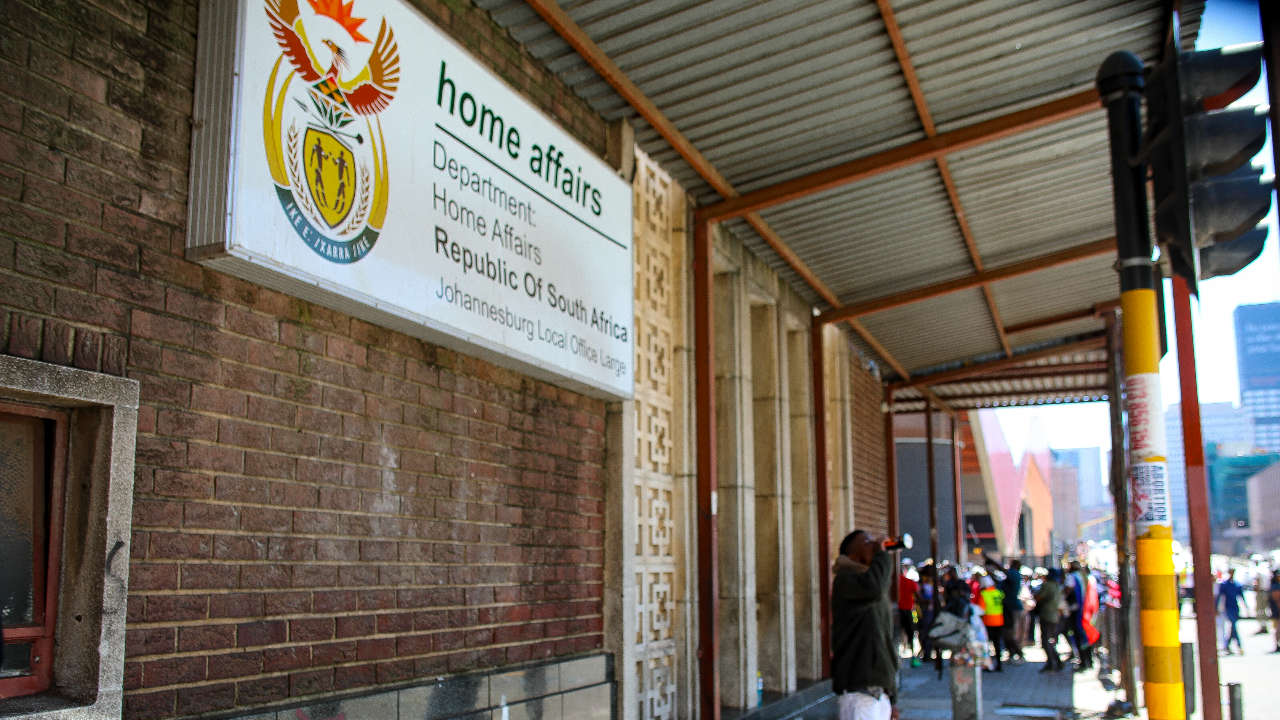
South Africa is taking another step towards modernising its immigration system, with the Department of Home Affairs launching the first phase of a new digital platform for people seeking asylum.
The initiative aims to reduce lengthy application delays, tackle administrative backlogs and limit opportunities for corruption within the country’s asylum system.
The online platform is now being tested through an initial batch of cases. Public registration is expected to open following the department’s next scheduled software release.
For a country that has struggled with thousands of outstanding asylum applications and appeals, the move could mark an important shift in how refugee matters are handled.
How the new digital asylum system works
The first phase allows individuals to register their intention to seek asylum online through the Home Affairs online portal.
Applicants will need to provide personal information, upload supporting documents and submit facial biometric information.
Once completed, they will receive a confirmation receipt acknowledging their intention to apply.
However, there is an important distinction: registering an intention to seek asylum does not amount to a formal asylum application.
It also does not automatically grant refugee status, citizenship or any other immigration status. Applicants must still follow the legal asylum application process.
People without access to the internet or digital devices will be able to receive assistance at Refugee Reception Offices.
Home Affairs targets years of delays
The department says the new system is designed to address long-standing administrative challenges that have left thousands of asylum applications and appeals unresolved.
Home Affairs Minister Dr Leon Schreiber says the department inherited serious capacity problems, including a situation where only nine officials were responsible for handling thousands of outstanding appeals when the current administration began.
According to Schreiber, these delays have created opportunities for people to exploit the asylum process while genuine applicants wait for decisions.
The department plans to introduce further phases that will use biometric verification, machine learning and artificial intelligence to improve the processing of applications.
The longer-term objective is to clear the appeals backlog and reduce the time required to assess new applications.
Schreiber says the changes are intended to ensure that people who genuinely need international protection receive it, while unsuccessful applicants can be deported in accordance with the law.
What applicants need to know about deportation
One of the important aspects of the new platform is that registering an intention to seek asylum does not provide automatic protection against immigration enforcement.
Home Affairs has made it clear that deportations will continue in accordance with South African law.
The department says around 95% of asylum applications are routinely rejected, highlighting the scale of the challenge it hopes to address through faster processing and improved verification.
The planned digital upgrades will also include appointment scheduling and checks against existing Home Affairs records.
A wider digital transformation push
The asylum platform forms part of Home Affairs’ broader efforts to move more immigration services online.
Another initiative is the Electronic Travel Authorisation (ETA) system, which is intended to strengthen immigration security while reducing opportunities for fraud and corruption.
Be the first to know – Join our WhatsApp Channel for content worth tapping into! Click here to join!
Follow Joburg ETC on Facebook, Twitter, TikTok and Instagram
For more News in Johannesburg, visit joburgetc.com