Transport & Traffic
Johannesburg puts electric buses to the test on busy city routes
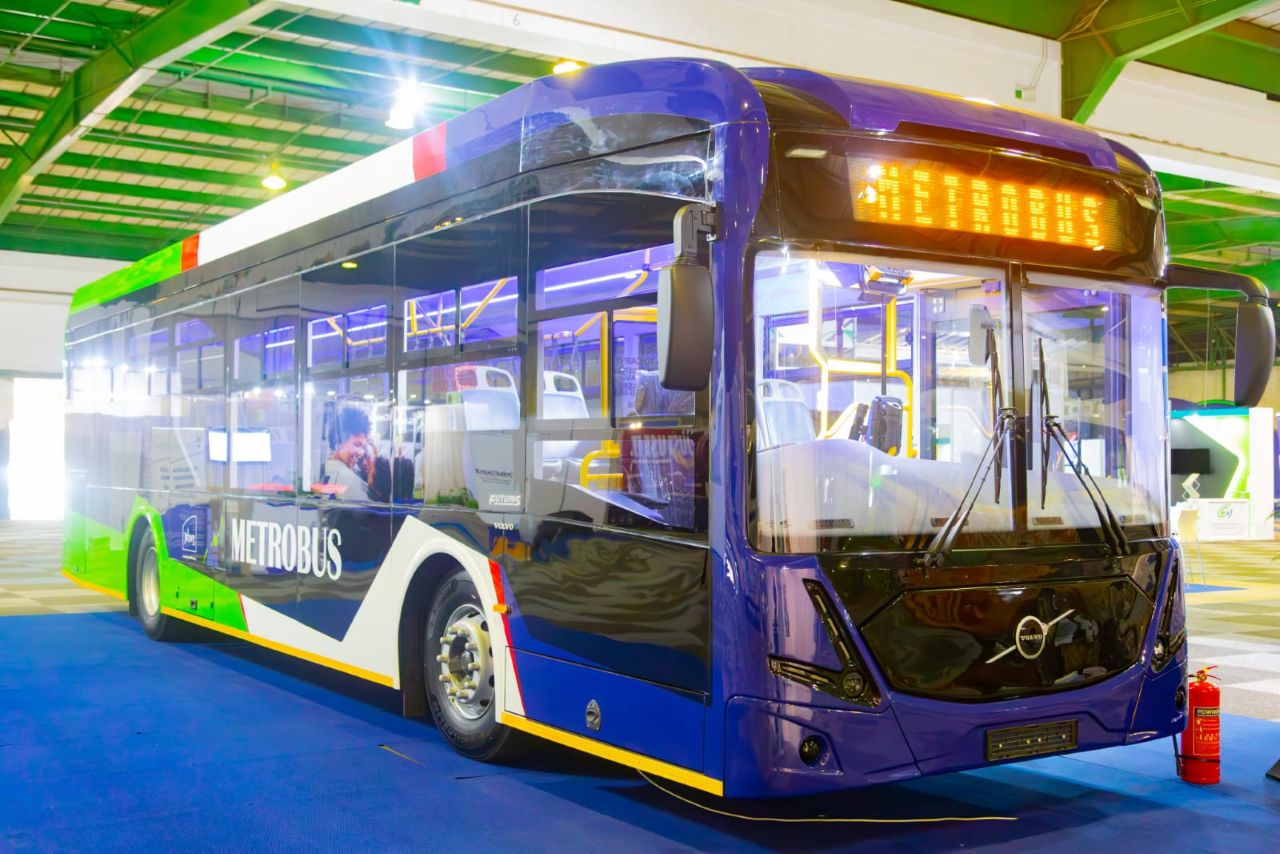
Johannesburg is preparing to put electric buses through their paces as the City moves towards a cleaner and potentially more efficient public transport system.
An electric bus technology trial will officially launch on Thursday, 3 September 2026, at the Metrobus Milpark Depot in Braamfontein. The 30- to 60-day pilot will give the City an opportunity to see how electric buses perform on some of Johannesburg’s busiest routes before future fleet decisions are made.
The programme is being led by the City’s Member of the Mayoral Committee for Transport, Cllr Kenny Kunene, in partnership with C40 Cities, the International Council on Clean Transportation (ICCT) and leading original equipment manufacturers in South Africa.
From the test site to Johannesburg’s streets
Rather than testing the buses in isolation, the City plans to place them alongside the existing public transport fleet.
Selected electric buses will operate on Metrobus routes as well as Rea Vaya BRT Phase 1C(a) routes. This means the trial will take place under the same conditions faced by the city’s existing public transport operations, while regular commuter services continue.
The buses are expected to operate along high-demand corridors covering parts of Soweto, Sandton, the Johannesburg CBD and Roodepoort.
The Rea Vaya Phase 1C(a) route will also bring the trial into communities including Berea, Yeoville, Orange Grove, Norwood, Alexandra, Marlboro and Sandton.
For commuters, the most noticeable difference could simply be the experience of travelling in an electric bus, as the City will assess factors such as comfort, accessibility and safety.
What will Johannesburg be measuring?
The trial is about more than whether an electric bus can move from one stop to another.
The City will assess battery-electric technology, energy consumption, reliability, maintenance needs, intelligent transport systems and the overall life-cycle costs of operating the buses.
Passenger experience will form part of the assessment too. The City will look at comfort, accessibility and safety, while also considering the potential for lower vehicle noise and emissions.
Every trial bus will be connected to Metrobus’s Fleet Management System, Control Centre and Automatic Vehicle Location system. This will allow the City to monitor the buses and independently verify their performance during the pilot.
That information could become particularly important when Johannesburg considers how it replaces or upgrades its public transport fleet in the future.
A real-world test for Johannesburg
Johannesburg’s public transport network serves a city where commuters travel between very different parts of the metro, from established business districts to large residential communities.
That makes real-world testing important. A technology that performs well in one setting still needs to prove that it can handle the demands of Johannesburg’s routes, passengers and operating conditions.
Kunene said the pilot is intended to make future fleet recapitalisation decisions based on evidence rather than speculation.
The City also sees the project as part of its wider Green Transport and Climate Action agenda, with the aim of modernising public transport, improving operational efficiency and reducing the environmental impact of mobility.
More than a bus trial
The electric bus programme could also have implications beyond the vehicles themselves.
According to the City, working with global industry partners is expected to support local job creation, skills development and technology transfer.
Lutando Maboza, Executive Director of the Transport Department, described the pilot as part of the implementation of Johannesburg’s Strategic Integrated Transport Plan.
The trial therefore puts the focus firmly on evidence: how the buses perform, what they cost to operate, how passengers experience them and whether the technology can work effectively on Johannesburg’s streets.
For now, the buses have a period of testing ahead of them. Over the next 30 to 60 days, their performance on some of the city’s busy corridors will provide the City with information that could help shape the future of Johannesburg’s public transport fleet.
Follow Joburg ETC on Facebook, Twitter, TikTok and Instagram
For more News in Johannesburg, visit joburgetc.com
Source: City of joburg